



Custom-tailored capitalism is what has made Google, Facebook, Amazon and others the richest companies in the world. But this business model has enormous potential to violate civil liberties.
Custom-tailored capitalism is what has made Google, Facebook, Amazon and others the richest companies in the world. But this business model has enormous potential to violate civil liberties.
A case before the high court in Pretoria is set to have important implications for citizens’ privacy – and the ability of journalists to do their work without hindrance.

The launch of 60 Starlink satellites by Elon Musk’s SpaceX has grabbed the attention of people around the globe. With Musk planning for up to 12 000 satellites in low-Earth orbit, this fleet could forever change our view of the heavens.
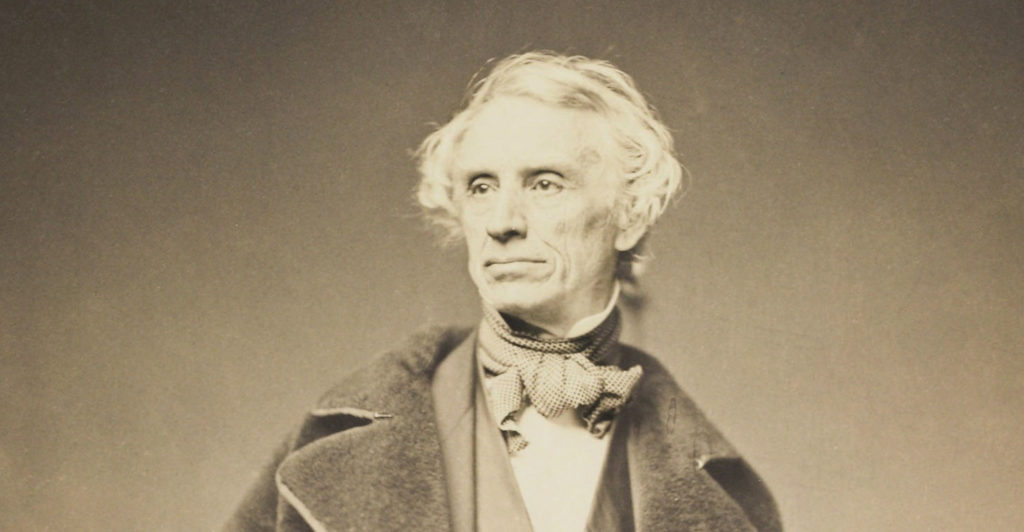
The first message sent by Morse code’s dots and dashes across a long distance travelled from Washington, DC to Baltimore on Friday, 24 May 1844 – 175 years ago. Incredibly, the system is still used today.
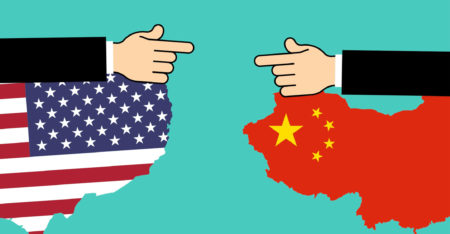
The first great power rivalry of the 21st century has begun. It is not a re-run of the Cold War, however. Instead, this rivalry will look unlike any that has come before it.

But research conducted at Unisa has found there’s a huge disconnect between the privacy that consumers expect and are legally entitled to, and what organisations are doing to meet their obligations.

Mainstream financial institutions are adopting cryptocurrencies in what is perhaps the most profound development since the birth of bitcoin a decade ago.

Access-based consumption has obscured the rise of a range of fragmented ownership configurations in the digital realm that provide the customer with an illusion of ownership while restricting their ownership rights.

Music streaming has a far worse carbon footprint than the peak of records and CDs, new findings show.
The conventional wisdom is that a major restructuring of Eskom will address the crisis facing that state-owned utility and the country. But this is misleading.