Close Menu
TechCentralTechCentral

    Subscribe to the newsletter

    Get the best South African technology news and analysis delivered to your e-mail inbox every morning.

    Facebook X (Twitter) YouTube LinkedIn
    WhatsApp Facebook X (Twitter) LinkedIn YouTube
    TechCentralTechCentral
    • News
      DStv drops premium paywall on Fifa World Cup in Canal+-era shift - SuperSport Rendani Ramovha

      DStv drops premium paywall on Fifa World Cup in Canal+-era shift

      17 April 2026
      How a connectivity levy became a tax on telecoms

      How a connectivity levy became a tax on telecoms

      17 April 2026
      Wits project pits African creators against AI music's blind spots

      Wits project pits African creators against AI music’s blind spots

      17 April 2026
      Prosus offloads 4.5% of Delivery Hero to Uber for €270-million

      Prosus offloads 4.5% of Delivery Hero to Uber for €270-million

      17 April 2026
      Numsa digs in for 8% as Eskom wage pact splits unions

      Numsa digs in as Eskom wage pact splits unions

      17 April 2026
    • World
      Adobe bets on AI agents to fend off cheaper rivals

      Adobe bets on AI agents to fend off cheaper rivals

      16 April 2026
      Google poised to lose ad crown to Meta

      Google poised to lose ad crown to Meta

      14 April 2026
      Grand Theft Data - hackers hit Rockstar Games - Grand Theft Auto

      Grand Theft Data – hackers hit Rockstar Games

      14 April 2026
      UK PM Keir Starmer declares war on doomscrolling

      UK PM Keir Starmer declares war on doomscrolling

      13 April 2026
      Big Tech is going nuclear

      Big Tech is going nuclear

      10 April 2026
    • In-depth
      Africa switches on as Europe dims the lights

      Africa switches on as Europe dims the lights

      9 April 2026
      The biggest untapped EV market on Earth is hiding in plain sight

      The biggest untapped EV market on Earth is hiding in plain sight

      1 April 2026
      The R18-billion tech giant hiding in plain sight - Jens Montanana

      The R16-billion tech giant hiding in plain sight

      26 March 2026
      The last generation of coders

      The last generation of coders

      18 February 2026
      Sentech is in dire straits

      Sentech is in dire straits

      10 February 2026
    • TCS
      TCS | Werner Lindemann on how AI is rewriting the infosec rulebook

      TCS | Werner Lindemann on how AI is rewriting the infosec rulebook

      15 April 2026
      TCS | Donovan Marsh on AI and the future of filmmaking

      TCS | Donovan Marsh on AI and the future of filmmaking

      7 April 2026
      TCS+ | Vodacom Business moves to crack the SME tech gap - Andrew Fulton, Sannesh Beharie

      TCS+ | Vodacom Business moves to crack the SME tech gap

      7 April 2026
      TCS | MTN's Divysh Joshi on the strategy behind Pi - Divyesh Joshi

      TCS | MTN’s Divyesh Joshi on the strategy behind Pi

      1 April 2026
      Anoosh Rooplal

      TCS | Anoosh Rooplal on the Post Office’s last stand

      27 March 2026
    • Opinion
      The conflict of interest at the heart of PayShap's slow adoption - Cheslyn Jacobs

      The conflict of interest at the heart of PayShap’s slow adoption

      26 March 2026
      South Africa's energy future hinges on getting wheeling right - Aishah Gire

      South Africa’s energy future hinges on getting wheeling right

      10 March 2026
      Hold the doom: the case for a South African comeback - Duncan McLeod

      Apple just dropped a bomb on the Windows world

      5 March 2026
      R230-million in the bag for Endeavor's third Harvest Fund - Alison Collier

      VC’s centre of gravity is shifting – and South Africa is in the frame

      3 March 2026
      Hold the doom: the case for a South African comeback - Duncan McLeod

      Hold the doom: the case for a South African comeback

      26 February 2026
    • Company Hubs
      • 1Stream
      • Africa Data Centres
      • AfriGIS
      • Altron Digital Business
      • Altron Document Solutions
      • Altron Group
      • Arctic Wolf
      • Ascent Technology
      • AvertITD
      • BBD
      • Braintree
      • CallMiner
      • CambriLearn
      • CYBER1 Solutions
      • Digicloud Africa
      • Digimune
      • Domains.co.za
      • ESET
      • Euphoria Telecom
      • HOSTAFRICA
      • Incredible Business
      • iONLINE
      • IQbusiness
      • Iris Network Systems
      • Kaspersky
      • LSD Open
      • Mitel
      • NEC XON
      • Netstar
      • Network Platforms
      • Next DLP
      • Ovations
      • Paracon
      • Paratus
      • Q-KON
      • SevenC
      • SkyWire
      • Solid8 Technologies
      • Telit Cinterion
      • Telviva
      • Tenable
      • Vertiv
      • Videri Digital
      • Vodacom Business
      • Wipro
      • Workday
      • XLink
    • Sections
      • AI and machine learning
      • Banking
      • Broadcasting and Media
      • Cloud services
      • Contact centres and CX
      • Cryptocurrencies
      • Education and skills
      • Electronics and hardware
      • Energy and sustainability
      • Enterprise software
      • Financial services
      • HealthTech
      • Information security
      • Internet and connectivity
      • Internet of Things
      • Investment
      • IT services
      • Lifestyle
      • Motoring
      • Policy and regulation
      • Public sector
      • Retail and e-commerce
      • Satellite communications
      • Science
      • SMEs and start-ups
      • Social media
      • Talent and leadership
      • Telecoms
    • Events
    • Advertise
    TechCentralTechCentral
    Home » News » Biggest tech blunders of all time

    Biggest tech blunders of all time

    TechCentral takes a look at eight of the biggest and most embarrassing blunders in tech history.
    By Nkosinathi Ndlovu9 April 2024
    Twitter LinkedIn Facebook WhatsApp Email Telegram Copy Link
    News Alerts
    WhatsApp

    The world loves techies. This ensemble of forward-looking nerds, geeks, cypherpunks, gamers, futurists, coders, scientists, hacktivists, black hatters, boffins, white hatters and entrepreneurs have contributed to the rapid modernisation of society.

    The impact of their contribution is widespread, with advancements in telecommunications, multimedia and industrial processing standing out among a host of other industries where technological innovations have multiplied productivity and improved accessibility for the average person.

    But just like the Karen next door, or the half-senile Boomer down the road, techies are human, too. The sector is just as well known for having made some serious blunders over the years as it is for its successes. Some of these errors in judgment were merely cause for momentary embarrassment, while others have destroyed powerful multinational companies and others still even leading to prison time.

    TechCentral takes a look at eight of the biggest and most embarrassing blunders in tech history.

    1. Nokia chooses Windows Phone over Android

    Nokia’s reign as the largest phone maker in the world lasted for more than a decade. But by the early 2010s, disruptors Apple and Google (Android) were taking huge chunks out of the Norwegian brand’s market share. That same year, Samsung – building smartphones based on Android – surpassed Nokia’s market share globally.

    The privilege of hindsight suggests that Nokia’s adoption of the open-source Android operating system would have been a relatively simple move that should have assured its survival as one of the leading smartphone brands in the world. That, unfortunately, is not how CEO Stephen Elop saw it at the time. Instead, Elop chose to partner with Microsoft, his former employer, to produce smartphones using the Windows Phone operating system, vetoing a board decision to move to Android.

    Read: 10 of the biggest TVs for sale in South Africa

    The decision ultimately led to the company’s demise, at least in smartphones. The Nokia Lumia phones released at the time were known for having some of the best hardware in the market, but the Windows Phone OS could not compete with Android’s ecosystem of third-party applications.

    Microsoft spent many years and many more millions trying in vain to convince developers to create apps for Windows phones. An initial US$7.2-billion was spent acquiring Nokia’s phone business only for the entire purchase to be written off as a failed experiment.
    2. Blockbuster refuses to buy Netflix

    This is another story of a disrupter using newer technology to change the nature of the marketplace, rendering the incumbent obsolete in the process. Only in this case, Blockbuster, which first opened shop in 1985 and operated more than 9 000 stores around the world by 2004, had more than one opportunity to acquire its budding competitor Netflix and failed to do so.

    Shortly after turning down an offer to be acquired by Amazon, Netflix co-founders Reed Hastings and Marc Randolph met with Blockbuster CEO John Antioco in September 2000. The duo believed that the video rental store chain would be a better fit for their fledgling company given the similarities in their businesses. Antioco did not share the sentiment.

    Antioco spurned a $50-million offer for Netflix as impractical, a decision likely influenced by Netflix not being profitable at the time. Twenty-three years later, Blockbuster no longer exists and Netfix’s market capitalisation is north of $267-billion.

    3. IBM hands the operating system market to Microsoft

    Prior to PCs going mainstream, massive mainframes were the dominant computing paradigm and IBM – also known as “Big Blue” – dominated that market. Big Blue had enough foresight to see the revolution in personal computing coming from around the bend, but the company made the wrong bet on which aspects of burgeoning PC market would prove more valuable.

    IBM incorrectly assumed that hardware would be more valuable, when, in fact, Microsoft co-founder Bill Gates correctly foresaw that hardware would be commoditised while software would attract a premium. So, after approaching Microsoft to make an operating system for its PCs, IBM did not object to Gates’s request that Microsoft keep the rights to the OS and be able to license it to other PC makers. Microsoft used its monopoly in the desktop software market to build an empire.
    4. BlackBerry’s refusal to change

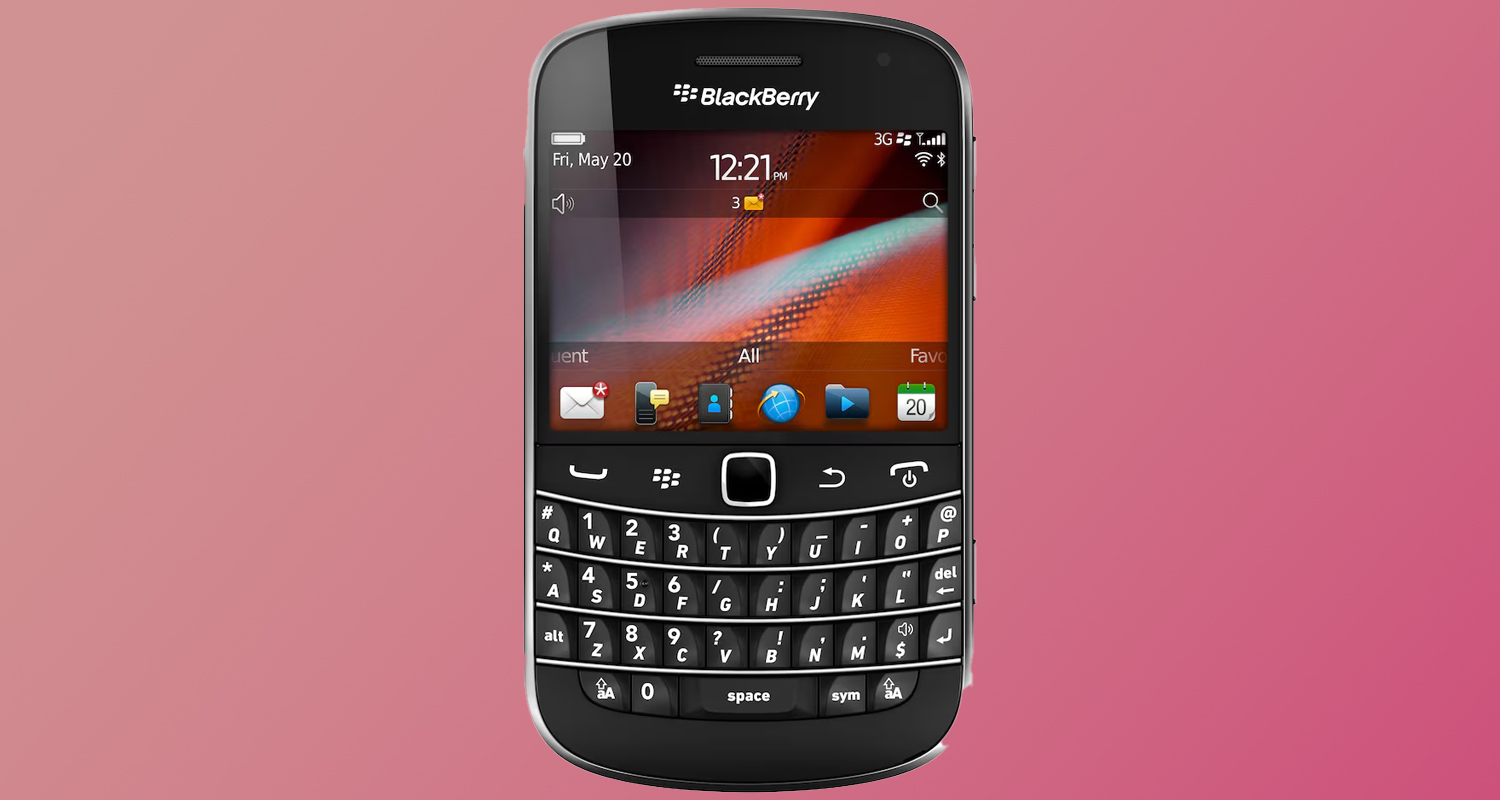
    BlackBerry once disrupted the mobile communications market, only for it to be dethroned in a similar way a few years later. Its devices were lauded for their full Qwerty keyboards, secure e-mail services and the BlackBerry Messenger (BBM) app. The corporate and enterprise sectors also took a liking to their messaging and e-mailing capabilities.

    But an ironic reversal of fate led to a turning point for BlackBerry when touchscreen devices – notably, the Apple iPhone – and the advent of the app ecosystem were introduced. This transformed user expectations and preferences rapidly, but the Canadian phone maker was too slow to respond. The iPhone and Android devices embraced these new developments, while BlackBerry hesitated to pivot its strategy. It was the beginning of the end.

    5. Twitter brand change erodes value

    Shortly after Elon Musk bought Twitter for $44-billion in 2022, he introduced sweeping changes across the company, including firing over 50% of employees. Changes to how the platform operates soon followed, with limitations on interaction volumes for non-verified users and the introduction of a paid subscription scheme for Twitter Blue verifications. This led to disgruntled users.

    Fleeing advertisers, lost revenue and a loss of stickiness on the platform made competitors like Mark Zuckerberg’s Meta Platforms smell blood in the water. This coincided with Musk rebranding Twitter to X, a move which Time reported wiped out some $4-billion to $20-billion in brand value for the company.

    Challengers like Meta’s Threads have not gained significant traction over X, a testament to the platform’s uniqueness in the social media landscape. But things will never quite be the same again, will they?
    6. Windows 8

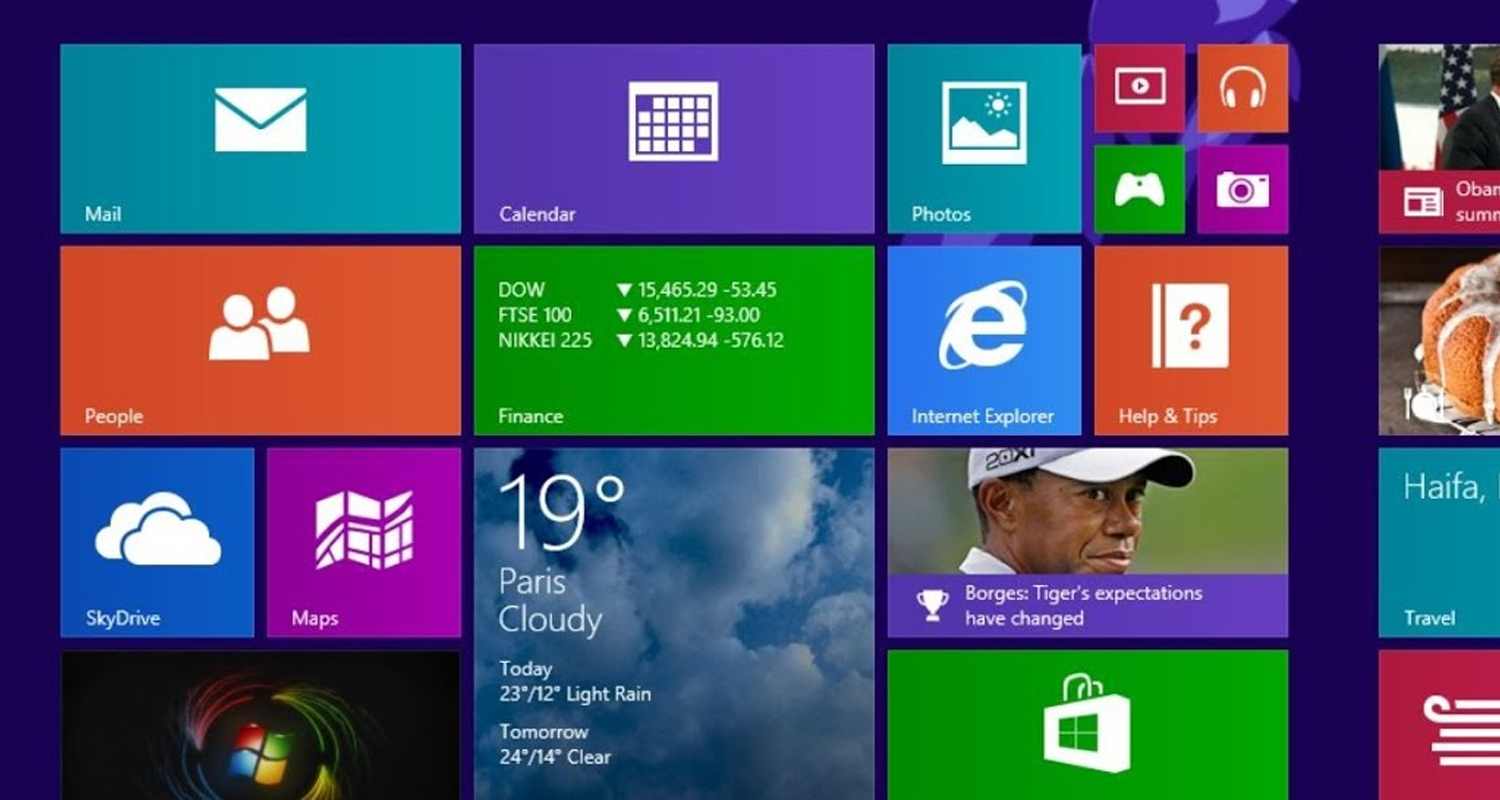
    There is a strange pattern of alternative hits and misses in Microsoft’s Windows release cycle. While some versions like Windows XP and Windows 7 remain iconic for their paradigm-changing advancements, others such as Windows Millenium Edition and Windows Vista are better off forgotten. But none of Microsoft’s missteps in OS development is as colossal as the failure of Windows 8. Released amid the haze of the rise of tablet computers (notable, Apple, with the iPad), the Windows 8 interface got rid of the iconic start button and added a tile-centric interface that worked well on its newly-released Surface tablets, but did not quite work for the bulk of the Windows market – desktop and laptop users who use a mouse to navigate their systems.

    The company quickly saw the error in its judgment and rectified things by returning to a more classically styled interface with the release of Windows 10, which turned out to be a huge success.

    7. Google Glass

    There was a lot of fanfare surrounding the launch of Google Glass. When the search giant unveiled the smart spectacles 2012, a flashy introduction demo featured skydivers streaming their jump through the device. The hype was all for nothing in the end as Google shelved the product in 2015.

    8. Crypto gone wrong – the SBF story

    As a young man at the start of his career, Sam Bankman-Fried (SBF) had a pretty good life. For the graduate of one of the most prestigious educational institutions in the world, the Massachusetts Institute of Technology, the prospect of spending 25 years in prison may have once looked so unlikely as to be bizarre in the early days of the physics major’s career as trader of derivative instruments.

    Read: Most expensive smartphones in South Africa

    Alas, the former “poster boy” of cryptocurrency faces a quarter of a century in prison for his exploits as the founder of the FTX cryptocurrency exchange platform. SBF was arrested in the Bahamas on 12 December 2022 and was indicted on a litany of crimes including commodities fraud, securities fraud and money laundering.  – © 2024 NewsCentral Media

    • Have we missed any spectacular tech blunders? Let us know in the comments

    Get breaking news alerts from TechCentral on WhatsApp

    Follow TechCentral on Google News Add TechCentral as your preferred source on Google


    Android Apple BlackBerry Blockbuster Elon Musk Google Google Glass Microsoft Netflix Nokia Sam Bankman-Fried SBF Stephen Elop Twitter Windows 8 X
    WhatsApp YouTube
    Share. Facebook Twitter LinkedIn WhatsApp Telegram Email Copy Link
    Previous ArticleTrouble at Tesla – has Elon Musk run out of road?
    Next Article Nordex to add 830MW of wind energy capacity in SA

    Related Posts

    Gemini gets personal for South African users

    Gemini gets personal for South African users

    16 April 2026
    Amazon ramps up satellite war with $11.6-billion Globalstar buy

    Amazon ramps up satellite war with $11.6-billion Globalstar buy

    15 April 2026
    The case for unbundling SuperSport

    The case for unbundling SuperSport

    14 April 2026
    Company News
    Fibre: the backbone of South Africa's digital health ecosystem - Mweb

    Fibre: the backbone of South Africa’s digital health ecosystem

    16 April 2026
    New man to accelerate wholesale connectivity in the DRC - Gaetan Soltesz, FAST Congo

    New man to accelerate wholesale connectivity in the DRC

    15 April 2026
    Avast Business and Avert IT Distribution rewrite the SMB cybersecurity playbook

    Avast Business and Avert IT Distribution rewrite the SMB cybersecurity playbook

    15 April 2026
    Opinion
    The conflict of interest at the heart of PayShap's slow adoption - Cheslyn Jacobs

    The conflict of interest at the heart of PayShap’s slow adoption

    26 March 2026
    South Africa's energy future hinges on getting wheeling right - Aishah Gire

    South Africa’s energy future hinges on getting wheeling right

    10 March 2026
    Hold the doom: the case for a South African comeback - Duncan McLeod

    Apple just dropped a bomb on the Windows world

    5 March 2026

    Subscribe to Updates

    Get the best South African technology news and analysis delivered to your e-mail inbox every morning.

    Latest Posts
    DStv drops premium paywall on Fifa World Cup in Canal+-era shift - SuperSport Rendani Ramovha

    DStv drops premium paywall on Fifa World Cup in Canal+-era shift

    17 April 2026
    How a connectivity levy became a tax on telecoms

    How a connectivity levy became a tax on telecoms

    17 April 2026
    Wits project pits African creators against AI music's blind spots

    Wits project pits African creators against AI music’s blind spots

    17 April 2026
    Prosus offloads 4.5% of Delivery Hero to Uber for €270-million

    Prosus offloads 4.5% of Delivery Hero to Uber for €270-million

    17 April 2026
    © 2009 - 2026 NewsCentral Media
    • Cookie policy (ZA)
    • TechCentral – privacy and Popia

    Type above and press Enter to search. Press Esc to cancel.

    Manage consent

    TechCentral uses cookies to enhance its offerings. Consenting to these technologies allows us to serve you better. Not consenting or withdrawing consent may adversely affect certain features and functions of the website.

    Functional Always active
    The technical storage or access is strictly necessary for the legitimate purpose of enabling the use of a specific service explicitly requested by the subscriber or user, or for the sole purpose of carrying out the transmission of a communication over an electronic communications network.
    Preferences
    The technical storage or access is necessary for the legitimate purpose of storing preferences that are not requested by the subscriber or user.
    Statistics
    The technical storage or access that is used exclusively for statistical purposes. The technical storage or access that is used exclusively for anonymous statistical purposes. Without a subpoena, voluntary compliance on the part of your Internet Service Provider, or additional records from a third party, information stored or retrieved for this purpose alone cannot usually be used to identify you.
    Marketing
    The technical storage or access is required to create user profiles to send advertising, or to track the user on a website or across several websites for similar marketing purposes.
    • Manage options
    • Manage services
    • Manage {vendor_count} vendors
    • Read more about these purposes
    View preferences
    • {title}
    • {title}
    • {title}