

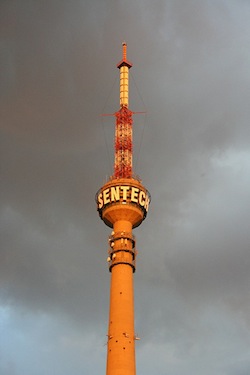
One of Johannesburg’s iconic landmarks, the Sentech broadcasting tower near Auckland Park, is literally falling apart. Bits of concrete are flaking off the 237m-tall structure. The tower is in a state of disrepair
One of Johannesburg’s iconic landmarks, the Sentech broadcasting tower near Auckland Park, is literally falling apart. Bits of concrete are flaking off the 237m-tall structure. The tower is in a state of disrepair
Vodacom has fired a shot across the bow of new mobile entrant, Telkom’s 8ta, in what could be the beginning of what one analyst calls “price skirmishes” between the operators. A full-blown price war looks less likely, analysts say. Vodacom at the weekend announced a R1,40/minute all-day tariff
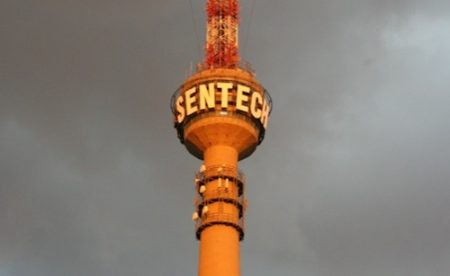
The cash-strapped state-owned signal distributor, Sentech, appears to have cut an illegal deal to sell wireless broadband spectrum that benefited politically connected businessmen, led by Eddie Funde, the controversial former chairman of the SABC who is now South Africa’s ambassador to Germany.
Screamer Telecoms was still using Sentech’s radio frequency spectrum as recently as October 2009, internal Sentech documents leaked to TechCentral have revealed. This is despite the state-owned company cancelling the agreement with Screamer
Mobile operators may be forced to stop subsidising handsets next year when the Consumer Protection Act (CPA) takes effect in March. The department of trade & industry has been working on the legislation for years and it’s expected to change fundamentally the way business is done in SA.

Telkom has set its sights on taking up to 15% of the SA market in the next five years with its new mobile network, 8ta. Analysts say the target is ambitious, but some think it is doable.
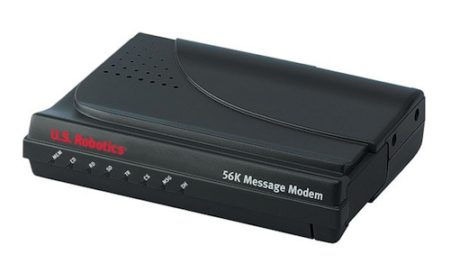
Dial-up still dominates as the fixed-line Internet access medium in SA, despite the fact that broadband digital subscriber lines have been available for nearly a decade. If a new research report from PwC (formerly PricewaterhouseCoopers) is to be believed,
As many as five former directors of Sentech could soon face criminal charges related to a deal the state-owned company concluded for the lease of technology equipment with IT finance company RentWorks Africa. Sentech chairman Quraysh Patel told
Neotel expects to double the number of retail consumers using its network within the next six to nine months as a direct result of its launching its first prepaid services. MD Ajay Pandey says he’d be
State-owned broadcast signal distributor Sentech is getting ready for another go at building a national wireless broadband network, TechCentral has learnt exclusively. This time, though, it’s promising not to repeat the mistakes