

South Africa simply has to rescue the nation’s distressed power utility. Even though it can’t afford to.
South Africa simply has to rescue the nation’s distressed power utility. Even though it can’t afford to.
Facebook hopes its new cryptocurrency will one day trade on a global scale much like the US dollar. But to come anywhere close to matching the dollar for utility and acceptance, Libra will need to be widely trusted.
As Huawei comes under unrelenting pressure from the Trump administration, it has one advantage that the US can’t undermine: a vast, global portfolio of patents on critical technology.
Naspers’s R2.4-billion takeover of Turkish online payment firm Iyzico consolidates its presences in one of the most dynamic e-commerce markets in the developing world.
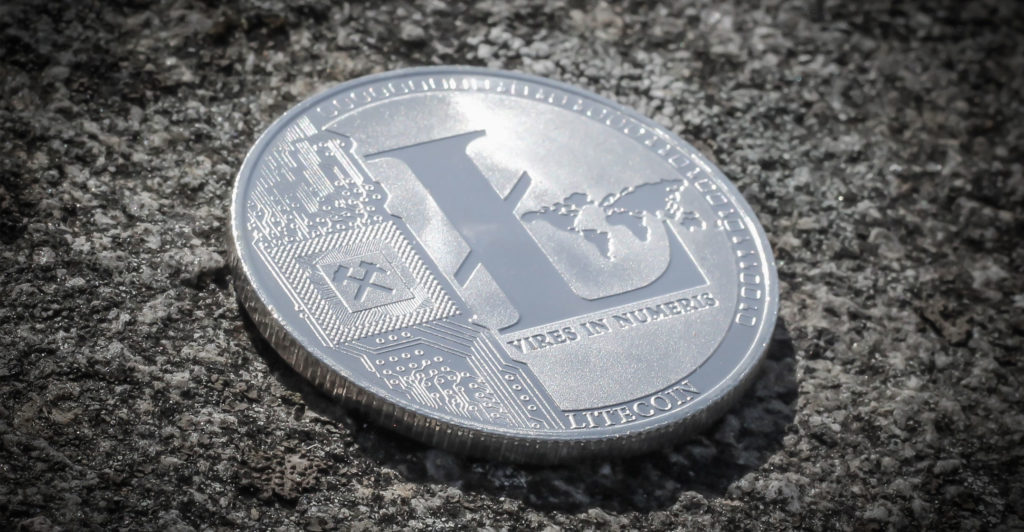
This year’s top-performing cryptocurrency is up almost fourfold and you’ve likely never heard of it.
If there is to be a Cold War 2.0, it’s set to be radically different from the original, with any new “digital Iron Curtain” looking more like spaghetti than iron.
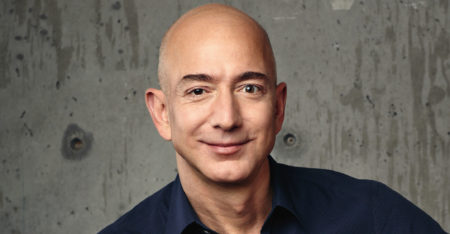
Last week, Amazon.com held its first-ever conference devoted to technological frontiers. The message: the future is good, and so is Amazon’s role in it.

The US government is sharpening its antitrust scrutiny of Big Tech. The justice department and Federal Trade Commission last week divvied up antitrust oversight for Apple, Amazon.com, Facebook and Google.
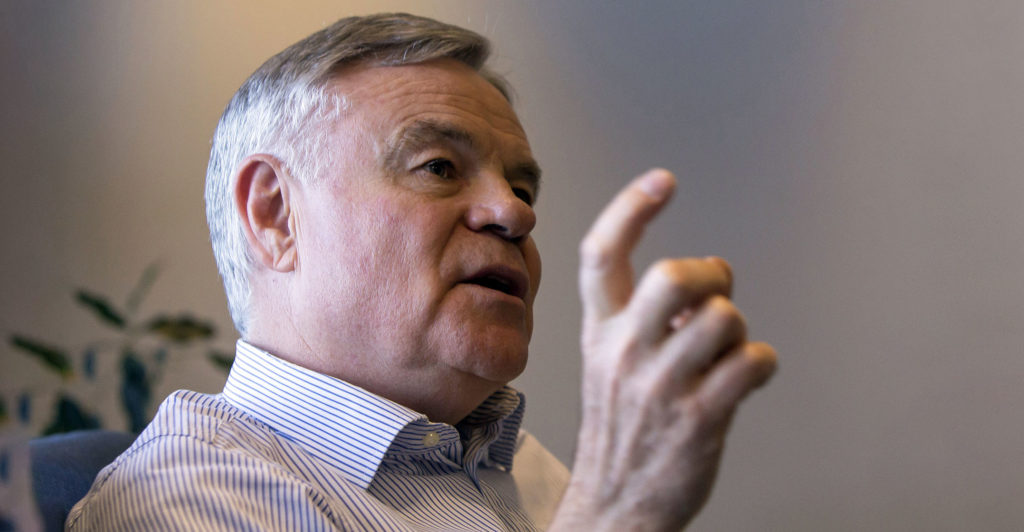
When Naspers lists in Amsterdam, it will bring with it a dual shareholding structure to match or even exceed the worst practices of tech behemoths such as Facebook or Google parent Alphabet.
Each deal Google does is a reminder of its failures so far in the lucrative field of cloud computing and a potential warning sign to the software specialists that have thrived in the last decade.