Close Menu
TechCentralTechCentral

    Subscribe to the newsletter

    Get the best South African technology news and analysis delivered to your e-mail inbox every morning.

    Facebook X (Twitter) YouTube LinkedIn
    WhatsApp Facebook X (Twitter) LinkedIn YouTube
    TechCentralTechCentral
    • News
      Vodacom to take control of Safaricom in R36-billion deal - Shameel Joosub

      Vodacom to take control of Safaricom in R36-billion deal

      4 December 2025
      Black Friday goes digital in South Africa as online spending surges to record high

      Black Friday goes digital in South Africa as online spending surges to record high

      4 December 2025
      BYD takes direct aim at Toyota with launch of sub-R500 000 Sealion 5 PHEV

      BYD takes direct aim at Toyota with launch of sub-R500 000 Sealion 5 PHEV

      4 December 2025
      'Get it now': Takealot in new instant deliveries pilot

      ‘Get it now’: Takealot in new instant deliveries pilot

      4 December 2025
      What South Africans searched for most in 2025

      What South Africans searched for most in 2025, according to Google

      4 December 2025
    • World
      Amazon and Google launch multi-cloud service for faster connectivity

      Amazon and Google launch multi-cloud service for faster connectivity

      1 December 2025
      Google makes final court plea to stop US breakup

      Google makes final court plea to stop US breakup

      21 November 2025
      Bezos unveils monster rocket: New Glenn 9x4 set to dwarf Saturn V

      Bezos unveils monster rocket: New Glenn 9×4 set to dwarf Saturn V

      21 November 2025
      Tech shares turbocharged by Nvidia's stellar earnings

      Tech shares turbocharged by stellar Nvidia earnings

      20 November 2025
      Config file blamed for Cloudflare meltdown that disrupted the web

      Config file blamed for Cloudflare meltdown that disrupted the web

      19 November 2025
    • In-depth
      Jensen Huang Nvidia

      So, will China really win the AI race?

      14 November 2025
      Valve's Linux console takes aim at Microsoft's gaming empire

      Valve’s Linux console takes aim at Microsoft’s gaming empire

      13 November 2025
      iOCO's extraordinary comeback plan - Rhys Summerton

      iOCO’s extraordinary comeback plan

      28 October 2025
      Why smart glasses keep failing - no, it's not the tech - Mark Zuckerberg

      Why smart glasses keep failing – it’s not the tech

      19 October 2025
      BYD to blanket South Africa with megawatt-scale EV charging network - Stella Li

      BYD to blanket South Africa with megawatt-scale EV charging network

      16 October 2025
    • TCS
      TCS+ | How Cloud on Demand helps partners thrive in the AWS ecosystem - Odwa Ndyaluvane and Xenia Rhode

      TCS+ | How Cloud On Demand helps partners thrive in the AWS ecosystem

      4 December 2025
      TCS | MTN Group CEO Ralph Mupita on competition, AI and the future of mobile

      TCS | Ralph Mupita on competition, AI and the future of mobile

      28 November 2025
      TCS | Dominic Cull on fixing South Africa's ICT policy bottlenecks

      TCS | Dominic Cull on fixing South Africa’s ICT policy bottlenecks

      21 November 2025
      TCS | BMW CEO Peter van Binsbergen on the future of South Africa's automotive industry

      TCS | BMW CEO Peter van Binsbergen on the future of South Africa’s automotive industry

      6 November 2025
      TCS | Why Altron is building an AI factory - Bongani Andy Mabaso

      TCS | Why Altron is building an AI factory in Johannesburg

      28 October 2025
    • Opinion
      Your data, your hardware: the DIY AI revolution is coming - Duncan McLeod

      Your data, your hardware: the DIY AI revolution is coming

      20 November 2025
      Zero Carbon Charge founder Joubert Roux

      The energy revolution South Africa can’t afford to miss

      20 November 2025
      It's time for a new approach to government IT spend in South Africa - Richard Firth

      It’s time for a new approach to government IT spend in South Africa

      19 November 2025
      How South Africa's broken Rica system fuels murder and mayhem - Farhad Khan

      How South Africa’s broken Rica system fuels murder and mayhem

      10 November 2025
      South Africa's AI data centre boom risks overloading a fragile grid - Paul Colmer

      South Africa’s AI data centre boom risks overloading a fragile grid

      30 October 2025
    • Company Hubs
      • Africa Data Centres
      • AfriGIS
      • Altron Digital Business
      • Altron Document Solutions
      • Altron Group
      • Arctic Wolf
      • AvertITD
      • Braintree
      • CallMiner
      • CambriLearn
      • CYBER1 Solutions
      • Digicloud Africa
      • Digimune
      • Domains.co.za
      • ESET
      • Euphoria Telecom
      • Incredible Business
      • iONLINE
      • IQbusiness
      • Iris Network Systems
      • LSD Open
      • NEC XON
      • Netstar
      • Network Platforms
      • Next DLP
      • Ovations
      • Paracon
      • Paratus
      • Q-KON
      • SevenC
      • SkyWire
      • Solid8 Technologies
      • Telit Cinterion
      • Tenable
      • Vertiv
      • Videri Digital
      • Vodacom Business
      • Wipro
      • Workday
      • XLink
    • Sections
      • AI and machine learning
      • Banking
      • Broadcasting and Media
      • Cloud services
      • Contact centres and CX
      • Cryptocurrencies
      • Education and skills
      • Electronics and hardware
      • Energy and sustainability
      • Enterprise software
      • Financial services
      • Information security
      • Internet and connectivity
      • Internet of Things
      • Investment
      • IT services
      • Lifestyle
      • Motoring
      • Public sector
      • Retail and e-commerce
      • Satellite communications
      • Science
      • SMEs and start-ups
      • Social media
      • Talent and leadership
      • Telecoms
    • Events
    • Advertise
    TechCentralTechCentral
    Home » In-depth » ICT white paper under fire

    ICT white paper under fire

    By Duncan McLeod9 October 2016
    Twitter LinkedIn Facebook WhatsApp Email Telegram Copy Link
    News Alerts
    WhatsApp

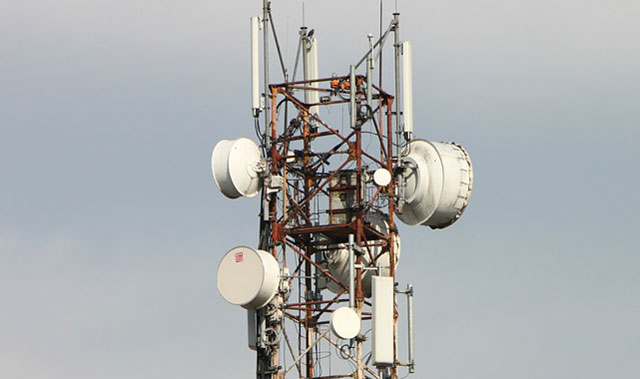
    cellular-tower-640

    Government’s radical plan to shake up the way radio frequency spectrum is allocated in South Africa has been met with universal derision by ICT analysts and experts, who say it takes huge and unnecessary risks that could cause irreparable harm to the sector.

    Telecommunications & postal service minister Siyabonga Cwele this week took the wraps off the long-awaited national integrated ICT policy white paper, which proposes sweeping changes to the way the sector is governed and regulated.

    Although some aspects of the policy have been welcomed – such as a chapter that will make it quicker for operators to deploy infrastructure by removing red tape – government’s plan for a wireless wholesale open-access network, to which all new spectrum will be allocated, has drawn intense fire.

    Not only does government not want to license any more “exclusive-use” spectrum to the mobile operators, it is also threatening to take away the existing spectrum assignments they’ve used to make tens of billions of rand worth of investments in 2G, 3G and 4G networks.

    Government has said it plans to reserve large tracts of spectrum exclusively for the wholesale open-access network in which telecoms companies, including the mobile operators, will, in effect, be forced to participate. MTN and Vodacom, which this year will spend a record combined R20bn on their networks, are livid.

    Publication of white paper comes in the same week that Cwele secured an urgent interdict preventing Icasa, the communications regulator, from going ahead with a plan to auction off access to three spectrum bands that mobile operators need to expand their 4G/LTE networks. The operators are running out of spectrum, the lifeblood of their businesses, and they warn that this is preventing them from expanding access to more people and cutting data prices. It’s now apparent that Icasa, which had early access to the white paper, went ahead with its auction plan in the face of fierce government resistance because of concerns about the policy’s impact on the sector. Under the white paper, Icasa also risks not only losing its independence, but it may be dissolved into a new regulator.
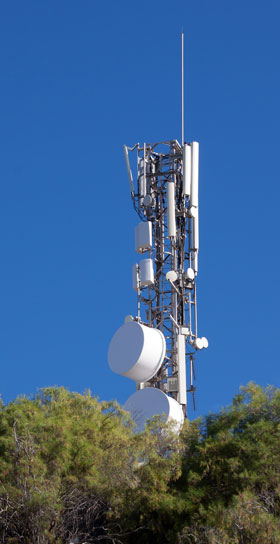
    cellular-tower-280Democratic Alliance MP Marian Shinn this week described the white paper as “socialist”, “monopolistic on a fundamental level” and warned that it “entrenches ministerial intervention over critical components” of the ICT sector. She said the document is unconstitutional and will be challenged in the courts.

    It will also “fail in its immediate objective to bridge the digital divide and bring affordable, ubiquitous communications infrastructure and services to all South Africans”. The policy will “give rise to crony-heavy bureaucracies with powers to impose ceiling-less taxes on the sector and dispense government largesse”.

    She contradicted government claims this week that it consulted widely on the policy’s most contentious aspects. “Details of its most contentious policies – the national wireless network and spectrum management – were not included in the three-year public consultation process.”

    The most radical component of the policy is to have a “monopolistic, price-regulated wholesale mobile network consortium with exclusive access to all the nation’s spectrum”. Commercial operators such as Vodacom and MTN who don’t join the consortium – both have criticised the plan – “will have their lifeblood cut off”, Shinn warned.

    Shinn is not alone in slamming the white paper. Dobek Pater, MD of Pretoria-based consultancy Africa Analysis, said government wants to attempt something that “hasn’t really been tested anywhere”.

    Although Mexico and Rwanda have embarked on similar strategies – and are the two markets that Cwele has repeatedly referenced as examples that South Africa should follow – the success of those projects has not yet been ascertained.

    “We are going to be at the bleeding edge in testing this concept in a country where we don’t have the resources and where we cannot afford the risk,” Pater said. “The test cases are few and far between and are quite inconclusive.”

    It is incorrect to draw parallels with Mexico, and indeed what is proposed in South Africa is a world first

    Also, neither Mexico nor Rwanda has reserved all unlicensed “high-demand” spectrum (spectrum where demand is greater than supply) for a wholesale network, as South Africa is proposing. These markets still allow for and encourage infrastructure-based competition, said Pater. The few other markets that are toying with the idea, including Russia, appear to have put their plans on the “backburner”.

    Pater is worried, too, that government has developed a “broad-brushstrokes” document without thinking through properly what will be involved in implementing it. A network of this nature may not be able to function from both a technical and commercial perspective, and government does not have a good track record of meeting its goals on grand policies and ideas to specification and within budget.

    “How will the operators be incentivised to invest a lot of money in infrastructure they do not own? The government does not have R100bn to invest in a few years. There are other methods to achieve these aims,” Pater warned.

    Richard Majoor, an equity analyst at Macquarie Group, said government is wrong to attempt to emulate the Mexican model.
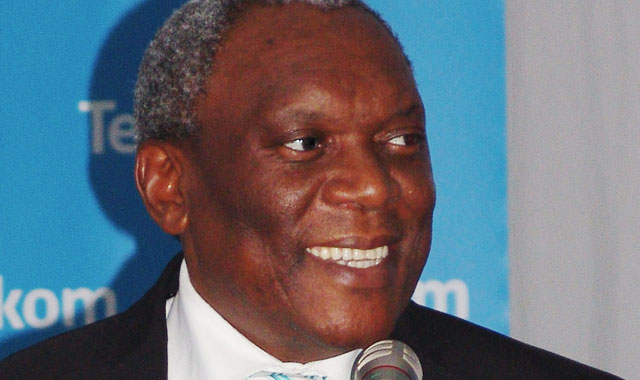
    Telecoms minister Siyabonga Cwele
    Telecoms minister Siyabonga Cwele

    “América Móvil has 70% mobile market share, and its fixed-line subsidiary Telmex has 80%,” Majoor said. “After the failure of 14 mobile virtual network operators, Mexico’s wholesale open-access network is seen as a radical measure to attempt to break the market dominance of Carlos Slim’s companies.”

    Also, unlike the proposal in South Africa, Mexico is not reserving all future spectrum for the network, but only spectrum in the 700MHz band. Infrastructure competition will still be encouraged. “The mobile industry will continue to operate as normal. It is incorrect to draw parallels with Mexico, and indeed what is proposed in South Africa is a world first,” Majoor said.

    “Neither Icasa nor the department of telecoms & postal services has ever shown concern with economic investment or the economic contribution of the telecoms sector. Instead, the common focus has been lowering of prices and provision of universal service as opposed to finding a fair balance between profit and social benefit,” he said. “Over the past few years, only two of the four or five mobile operators in South Africa have been profitable, and it appears that the focus of the policy is to redistribute that earnings flow.

    The fact that spectrum is treated as private property is the precise reason the operators are prepared to make investments

    “Government’s new policy not only leaves no options available to MTN and Vodacom to acquire more spectrum, it also seeks to, when convenient, expropriate their spectrum through the non-renewal of their licences. This would either force the incorporation of their radio network assets into the wholesale open-access network, or leave them impaired. This goes against all international best practice where there is a reasonable expectation of spectrum renewal.

    “The fact that spectrum is treated as private property is the precise reason the operators are prepared to make investments, and without such assurances, it would be expected that future investment would cease,” Majoor said.

    He predicted that the white paper is headed to the courts and that operators will prevail, at least until the law is changed. “As long as the legal status quo prevails, it is not a time to panic. However, if changes to legislation are made, as proposed in the white paper, which removes Icasa’s constitutional protection and transforms it into an implementer of government decree, a reassessment of investment risks would be in order.”

    Research ICT Africa has also condemned the white paper, warning that implementing a mandatory open-access wireless network would threaten investment and innovation in the sector.

    The research firm said in a policy brief published this week that not only is there little evidence globally to suggest that such networks contribute to public policy objectives of increased competition in services, decreased pricing and higher levels of demand stimulation, but they may have serious unintended consequences, too.

    Rather than creating mandatory wireless networks or regimes that may take time to institute and may not be effectively enforced, and which may inhibit network investment and innovation at a time that it is most needed, high-demand LTE spectrum should rather be urgently released to operators, Research ICT Africa said.

    There is little rationale for a mandatory open-access wireless network in South Africa, it said. “Though prices are high and probably require more effective wholesale regulation, competitive investment is responsible for the pervasiveness of mobile networks.”

    • A shortened version article was published in the Sunday Times of 9 October 2016


    Africa Analysis América Móvil Carlos Slim Dobek Pater Icasa Macquarie Group Marian Shinn MTN Research ICT Africa Richard Majoor Siyabonga Cwele Telmex Vodacom
    Subscribe to TechCentral Subscribe to TechCentral
    Share. Facebook Twitter LinkedIn WhatsApp Telegram Email Copy Link
    Previous ArticleNo one wants to buy Twitter
    Next Article Samsung halts Note7 production

    Related Posts

    Vodacom to take control of Safaricom in R36-billion deal - Shameel Joosub

    Vodacom to take control of Safaricom in R36-billion deal

    4 December 2025
    Building trust in a digital world: Vodacom Business's approach to security

    Building trust in a digital world – the Vodacom Business approach to security

    4 December 2025
    TCS | MTN Group CEO Ralph Mupita on competition, AI and the future of mobile

    TCS | Ralph Mupita on competition, AI and the future of mobile

    28 November 2025
    Company News
    AI is not a technology problem - iqbusiness

    AI is not a technology problem – iqbusiness

    5 December 2025
    Telcos are sitting on a data gold mine - but few know what do with it - Phillip du Plessis

    Telcos are sitting on a data gold mine – but few know what do with it

    4 December 2025
    Unlock smarter computing with your surface Copilot+ PC

    Unlock smarter computing with your Surface Copilot+ PC

    4 December 2025
    Opinion
    Your data, your hardware: the DIY AI revolution is coming - Duncan McLeod

    Your data, your hardware: the DIY AI revolution is coming

    20 November 2025
    Zero Carbon Charge founder Joubert Roux

    The energy revolution South Africa can’t afford to miss

    20 November 2025
    It's time for a new approach to government IT spend in South Africa - Richard Firth

    It’s time for a new approach to government IT spend in South Africa

    19 November 2025

    Subscribe to Updates

    Get the best South African technology news and analysis delivered to your e-mail inbox every morning.

    Latest Posts
    AI is not a technology problem - iqbusiness

    AI is not a technology problem – iqbusiness

    5 December 2025
    Vodacom to take control of Safaricom in R36-billion deal - Shameel Joosub

    Vodacom to take control of Safaricom in R36-billion deal

    4 December 2025
    Black Friday goes digital in South Africa as online spending surges to record high

    Black Friday goes digital in South Africa as online spending surges to record high

    4 December 2025
    BYD takes direct aim at Toyota with launch of sub-R500 000 Sealion 5 PHEV

    BYD takes direct aim at Toyota with launch of sub-R500 000 Sealion 5 PHEV

    4 December 2025
    © 2009 - 2025 NewsCentral Media
    • Cookie policy (ZA)
    • TechCentral – privacy and Popia

    Type above and press Enter to search. Press Esc to cancel.

    Manage consent

    TechCentral uses cookies to enhance its offerings. Consenting to these technologies allows us to serve you better. Not consenting or withdrawing consent may adversely affect certain features and functions of the website.

    Functional Always active
    The technical storage or access is strictly necessary for the legitimate purpose of enabling the use of a specific service explicitly requested by the subscriber or user, or for the sole purpose of carrying out the transmission of a communication over an electronic communications network.
    Preferences
    The technical storage or access is necessary for the legitimate purpose of storing preferences that are not requested by the subscriber or user.
    Statistics
    The technical storage or access that is used exclusively for statistical purposes. The technical storage or access that is used exclusively for anonymous statistical purposes. Without a subpoena, voluntary compliance on the part of your Internet Service Provider, or additional records from a third party, information stored or retrieved for this purpose alone cannot usually be used to identify you.
    Marketing
    The technical storage or access is required to create user profiles to send advertising, or to track the user on a website or across several websites for similar marketing purposes.
    • Manage options
    • Manage services
    • Manage {vendor_count} vendors
    • Read more about these purposes
    View preferences
    • {title}
    • {title}
    • {title}