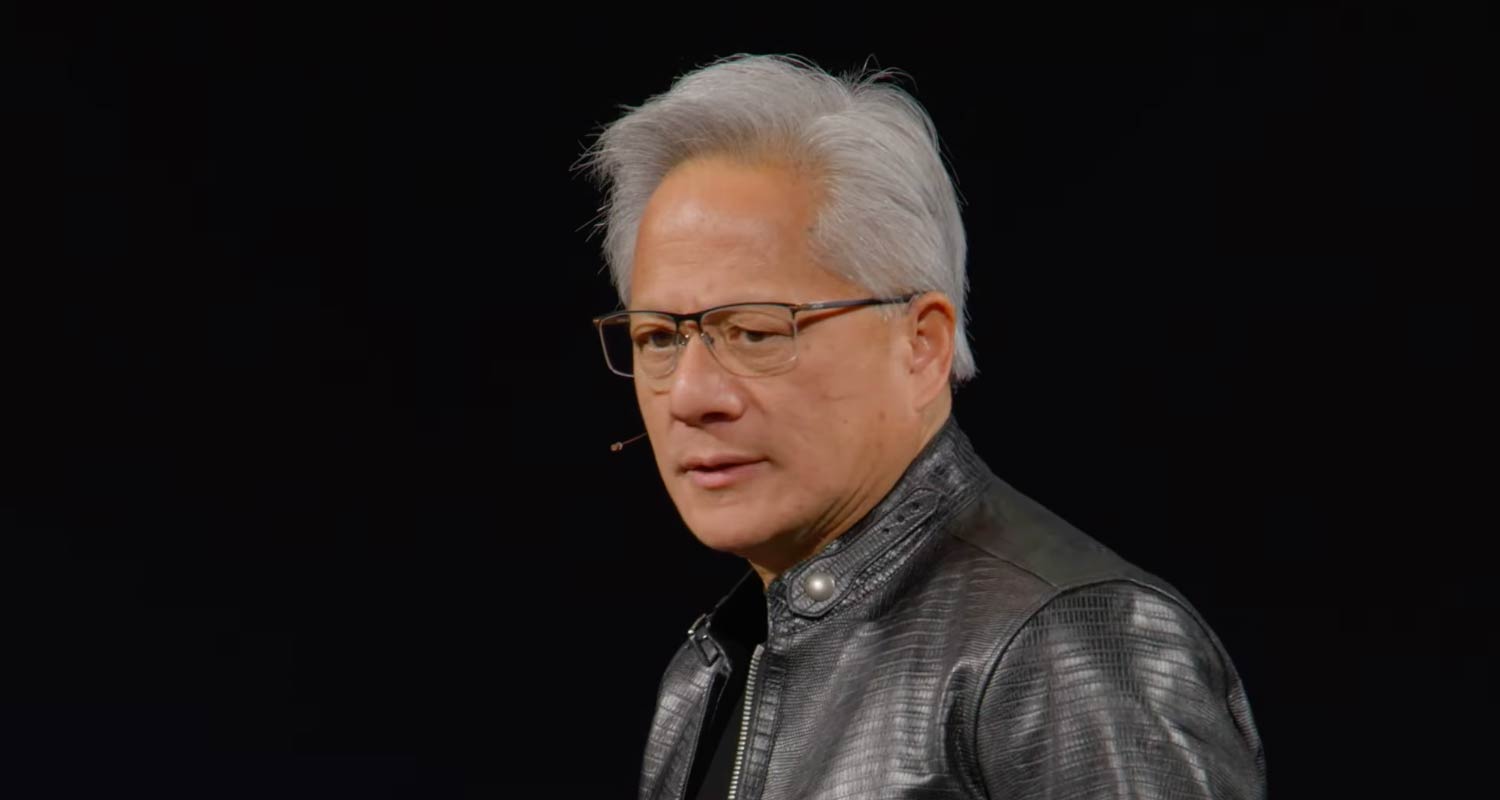
Nvidia has made its long-anticipated move into the heart of the personal computer, unveiling a “superchip” called RTX Spark that will power a new wave of Windows laptops and desktops built around on-device AI – and putting the graphics giant into direct competition with Qualcomm, Intel and AMD.
Announced by CEO Jensen Huang at GTC Taipei on Monday, ahead of the Computex trade show, RTX Spark pairs a Blackwell-generation Nvidia GPU with 6 144 Cuda cores to a 20-core Grace CPU over the company’s NVLink-C2C interconnect. The processor offers up to a petaflop of AI compute and as much as 128GB of unified memory, Nvidia said. MediaTek, the Taiwanese chip designer, collaborated on the custom CPU.
Crucially, the Grace CPU is based on ARM – the same instruction set Apple used to upend its Mac line and that Qualcomm has championed in Windows through its Snapdragon X chips. Nvidia’s arrival validates the Windows-on-ARM push Microsoft has spent years trying to seed, but it also turns up the heat on Qualcomm, until now the only serious supplier of ARM-based Windows processors. Intel and AMD, whose x86 chips still dominate the overwhelming majority of Windows machines, face a more credible challenger at the premium end.
Nvidia and Microsoft said they had worked together on new Windows security features and an Nvidia runtime called OpenShell, designed to let AI agents run on a user’s primary PC under tight controls – handling identity, containment and policy, routing queries to local models based on privacy settings, and masking personal information sent to the cloud. The pitch is that agents can execute tasks across Windows apps, reason through workflows and search local files without sending sensitive data off the device.
“For 40 years, you launched apps,” Huang said. “With RTX Spark and Microsoft Windows, you ask – and the PC does the work.”
Adobe is rebuilding Photoshop and Premiere for the platform, promising up to twice the AI and editing performance, while Nvidia is extending its RTX gaming stack – DLSS, ray tracing and Reflex – to the new machines.
Compatibility
RTX Spark laptops and compact desktops are due later this year from Asus, Dell, HP, Lenovo, Microsoft Surface and MSI, with Acer and Gigabyte to follow. The laptops will be as slim as 14mm and as light as 1.4kg, with tandem OLED displays. Microsoft is expected to flesh out the agent tooling at its Build developer conference, which begins on Tuesday. Nvidia did not disclose pricing.
Read: Nvidia targets $1-trillion in AI chip sales as inference demand surges
A big question now is software compatibility: Windows-on-ARM has improved but still stumbles on older x86 applications and some games – the same hurdle that has kept Qualcomm’s effort niche. Nvidia is betting a petaflop of local AI is reason enough to switch. — © 2026 NewsCentral Media
- Subscribe to TechCentral’s daily newsletter
- Get breaking news alerts on WhatsApp