Headline inflation slowed to 4.3% in July, ending four months of acceleration – and beating market expectations.
Headline inflation slowed to 4.3% in July, ending four months of acceleration – and beating market expectations.





Replying to a customer on WhatsApp will start costing business users money from October. Meta won’t confirm how much.

Crypto arbitrage firm Kastelo says every client watched a compulsory video and signed a mandate before any offshore trade.
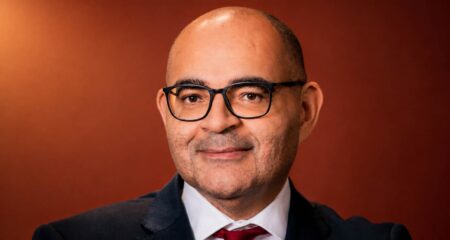
Absa has said that 1 400 developers use AI coding tools while its chatbot fields 100 000 queries monthly.

Google is planning to keep third-party cookies in its Chrome browser, after years of pledging to phase them out.

Vivendi Group will seek a London listing for its pay-television business Canal+, the French media conglomerate said.

ACT argues that operators should get access to more spectrum that has historically been reserved for broadcasting.

Sports minister Gayton McKenzie has threatened to go to war with broadcasters over sports rights.

The technology sector is leading the charge when it comes to investment in South Africa’s start-up ecosystem.

The South African Revenue Service announced recently that it will impose a 45% import tax on goods that cost R500 or less.

Huawei almost doubled its R&D budget over the past five years to $22.1-billion in 2021 – more than any company in the world outside America.

Twitter is poised to agree a sale to Elon Musk for $43-billion (R674-billion) in cash, the price the chief executive of Tesla has called his “best and final” offer.

A sharp drop in graphics chip prices could presage an unexpectedly quick ending to a global chip crunch that has crippled manufacturing from smartphones to cars.

Bitcoin is tipped to extend losses as investors shy away from risk assets amid a reassessment of the pace and magnitude at which the US is set to tighten policy.

When the cryptocurrency exio coin starts a round of fundraising on 7 September, its founders say the unit will come with a unique distinction: the first to be endorsed by a sovereign nation. The identity of the government backer won’t

Most of the research on phone addiction and deprivation is done on students. It’s not just the “kids these days”, though. At 45, I’m a recovering addict. It’s been four months since I uninstalled social networking apps, three