
A former OpenAI researcher claims AI models are far easier to understand than researchers assumed.
A former OpenAI researcher claims AI models are far easier to understand than researchers assumed.



Online now accounts for more than a tenth of TFG Africa’s sales, and the store estate is shrinking.

Tesla will wind down Cybertruck production in mid-2027 to make room for its Cybercab robo-taxi.

AA CEO Bobby Ramagwede warns South Africa’s car manufacturing industry could be decimated within five years.

Eskom said on Friday that gas-fired power stations will play a crucial role in the Just Energy Transition.
YeboYethu has applied to the constitutional court to join a high-stakes appeal by Vodacom in the “please call me” saga.

Geyser monitoring in real time provides data that can help make decisions that pre-empt bursts and prevent damage.
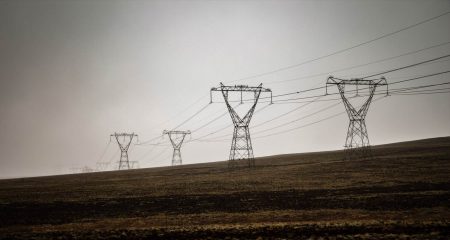
Mission 300, a World Bank-backed plan to bring electricity to 300 million Africans by 2030, has begun to be implemented.

These are the articles, videos and more that caught the attention of TechCentral’s editorial team in the past 24 hours.
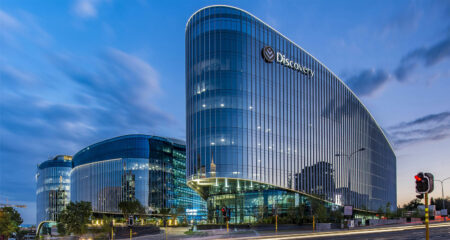
Financial services group Discovery expects its digital banking business to become profitable in 2025.

It’s been more than two years since Apple issued revenue guidance, a worrying trend towards decreasing transparency at the world’s largest company.

Tesla CEO Elon Musk sold $4-billion worth of shares in the electric vehicle maker in sales likely aimed at helping finance his planned purchase of Twitter.

Wall Street is betting that US antitrust enforcers could unravel one of the largest mergers in American history.

Twitter, in one of its last earnings reports before Elon Musk takes the company private, reported revenue that missed analysts’ estimates.

Uber Technologies’ incoming CEO, Dara Khosrowshahi, inherits an embattled global business with crises sprawling across continents. Since Uber’s founding in 2009, the San Francisco-based company has tested the world’s

Telkom’s zero-rated streaming plans, called LIT, which it plans to introduce on 1 September, may break network neutrality principles and run counter to government’s draft integrated policy for the ICT sector, a reading