I had planned to use this speech to highlight the outstanding economic, social and environmental performance of my country, of Spain.
In recent years, Spain has become not only one of the fastest-growing economies and job creators in the West, but also one of the countries that has reduced inequality and greenhouse emissions the most.
We are becoming proof that social democracy truly works. That a nation can gain competitiveness, while also fostering social justice, protecting nature, and supporting a global order based on openness and multilateralism.
We have the results, the facts to show it, while those who defend the opposite model have nothing – just words and promises wrapped in radical measures that led us to chaos in the past, and will do so again if we don’t act.
That’s why I have decided to change the topic of my speech and talk to you about one of the main tools that is being used to sow this chaos: social media.
Back in the early 2000s, social media started to thrive under a promise. Their founders told us that they would unite people and strengthen our democracies with new ideas, with more pluralism, with extended accountability over the powerful.
And based on that promise, we all joined. Public institutions, governments, companies, people … around five billion users, or more than 60% of the global population.
At what cost?
In the following years, part of that foundational promise was fulfilled, at least for a while. Social media did change the way we work, get informed and interact with each other. They built bridges between likeminded people who were physically far away, and expanded the scope of the public debate by allowing citizens to share their views beyond the constraints of governments and traditional media outlets. Movements for justice and change like “Me Too” or “Fridays for Future” would not have been possible without them.
But with all these gains also came huge downsides, hidden in the bowels of the algorithms, like invaders concealed in the belly of a Trojan horse.
We didn’t realise it then. But we do now.
Read: Why Meta is wrong to abandon independent fact checking
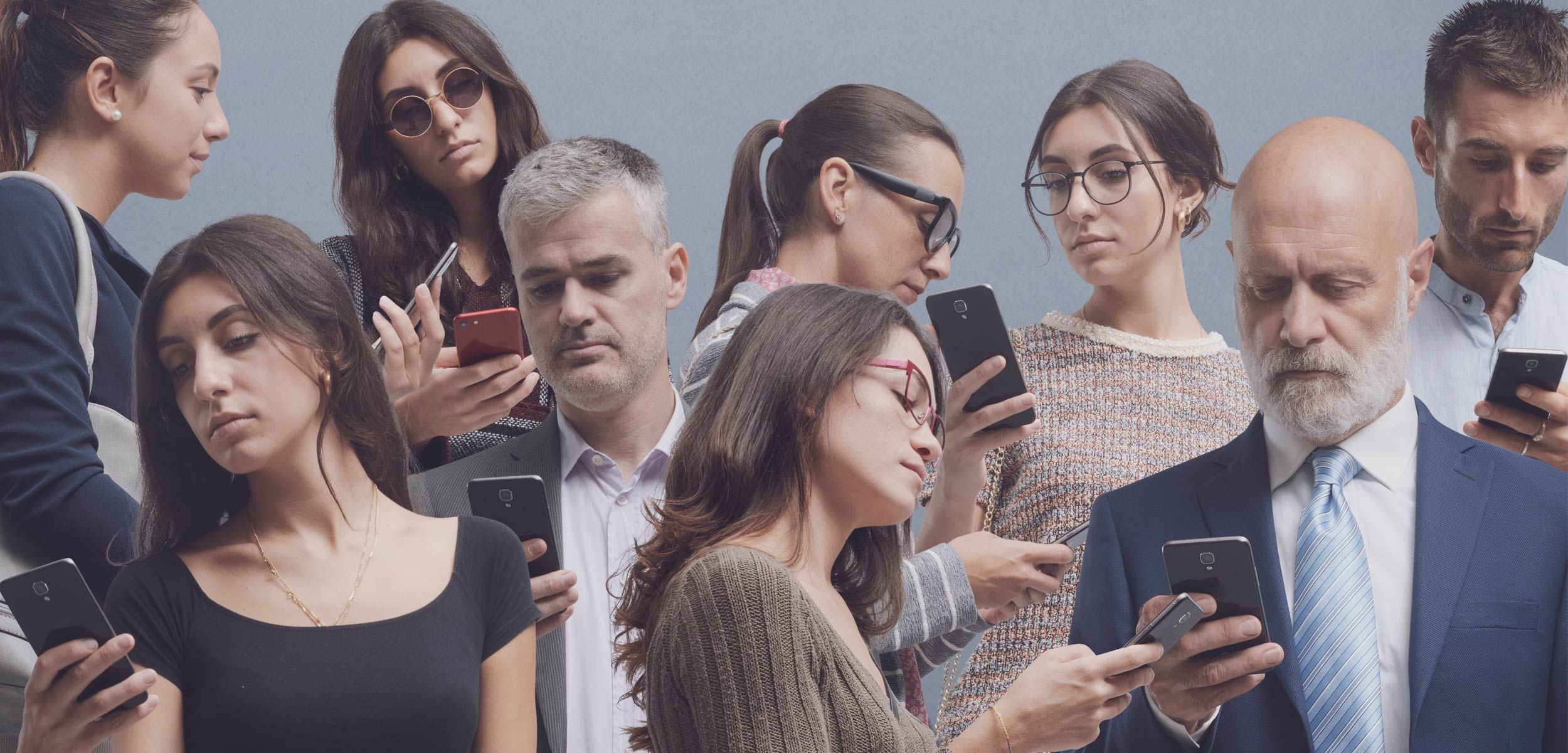
Now we know that the seamless and free connectivity offered by social media also came with cyberbullying, hate speech, sex offences, privacy violations and a terrible rise of anxiety, violence and loneliness.
Now we know that far from bringing humanity together and “empowering the people”, these platforms have resulted in a concentration of power and wealth in the hands of just a few. All of this at the cost of our social cohesion, our mental health – and even our democracies.
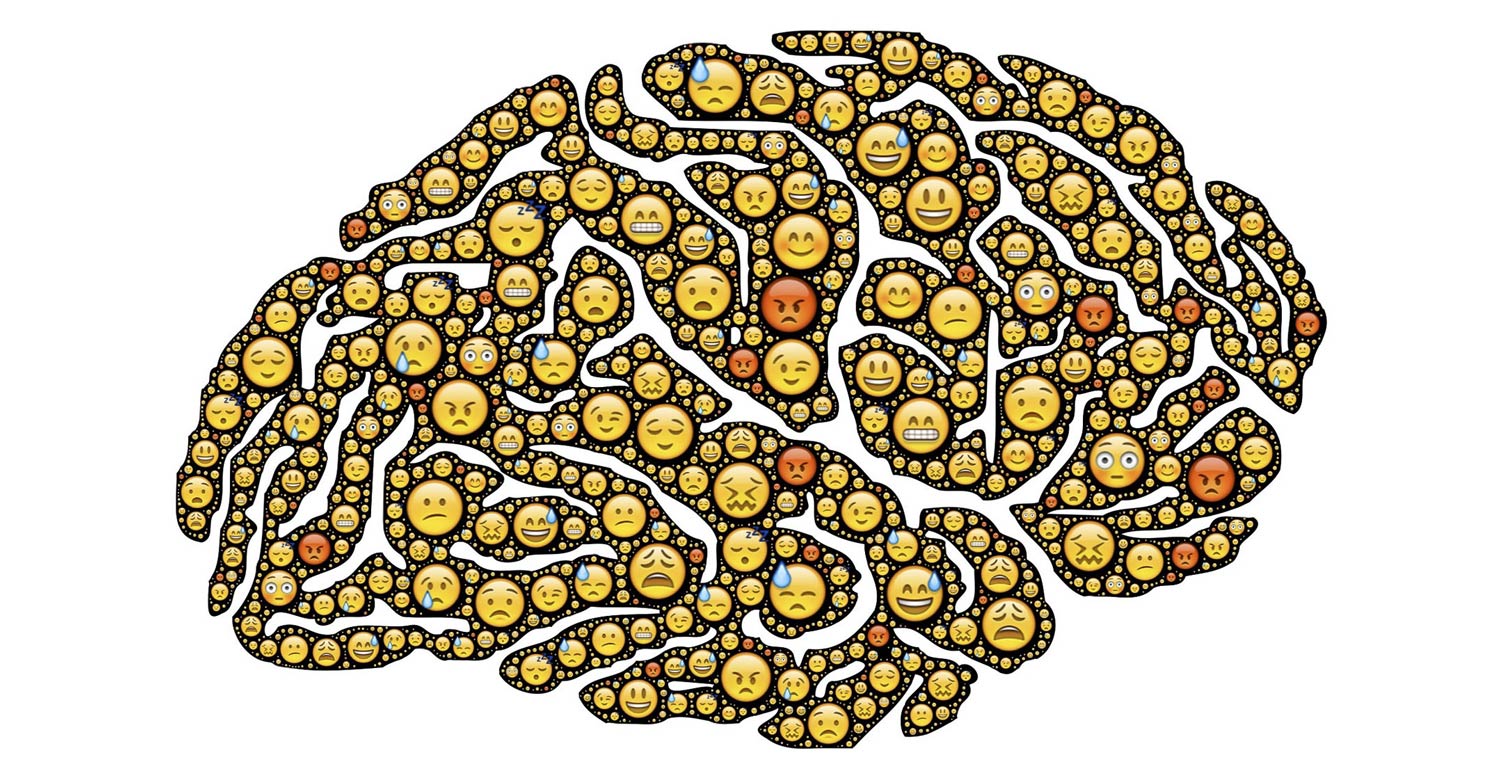 So, let’s open our eyes. Academic research and political signs are there for anyone who wants to see them: major social media platforms are harming the liberal order and the democratic system in at least three powerful ways that we cannot continue to ignore.
First, these platforms are oversimplifying and polarising the public debate. Two hundred and eighty characters – or a 30-second video – are not enough to explain almost anything important.
The migration of the political debate from the institutions, newspapers and coffee shops to social media is making us replace rigour for immediacy, and complexity with brevity.
It is preventing us from explaining things properly, from recognising that choices often involve trade-offs, and from engaging in substantial conversations with those who think differently.
Instead, it is making us focus on creating catchphrases to gain “likes” and “shares” of our own echo chambers. And this, in turn, is transforming us into a society increasingly divided and easy to manipulate.
Such a drift is by no means the result of chance. On the contrary, it is deeply connected to the second way in which social media is eroding our democracies: by fostering misinformation.
Every day, our feeds and walls are filled with altered images, flawed data and fake news that distort our perception of reality. Fake news that made many people believe that the Covid-19 virus didn’t exist, that the ethnic and cultural minorities that live in our countries are the source of all our problems, and that the state is a scam working against the interests of citizens.
Fake news
Every day we consume millions of fake news items that are 70% more likely to be shared than real ones. And that the owners of large social media companies have chosen not to stop it.
Not because it is difficult to stop but because they are good for business, because they drive more clicks and advertisers, and because they help to advance their political agenda.
This is the third and most terrible way in which social media is damaging our democracies: by becoming tools to replace votes with likes. We were told that these platforms would help to level the playing field. But instead they have made it even more unfair.
Read: Meta cuts fact checkers days before Trump takes office
Data suggests that around one third of social media profiles are bots. Searches are completely biased by ad services and boosting hacks. And the feed algorithms – far from promoting fairness – are being engineered to hide certain political views and foster others.
What was supposed to be a space for constructive debate and the free exchange of ideas has become a rigged battlefield filled with manipulation, censorship and falsehood. And let’s be clear: this didn’t happen by mistake. It has been fuelled in a systematic way by foreign powers – like Russia – that want to weaken our institutions and alter our democratic processes and by anti-system political forces that want to bring chaos to our societies and use it to seize power, like fascists did in the past.
It’s also being fuelled by the owners of the big social media platforms themselves. A small group of techno-billionaires that are no longer satisfied with holding nearly total economic power: now they also want political power in a way that is undermining our democratic institutions.
And they don’t even hide this goal. Peter Thiel, co-founder of PayPal and one of their leading ideologues, openly admitted in an interview that tech-billionaires want to overthrow democracy because – and I quote – they “have stopped believing that freedom and democracy are compatible”.
And we should wonder, the “freedom” of who exactly? Because democracy is not only compatible with the freedom of the people; it is the necessary precondition for it.
What truly limits democracy is the power of the elites. It is the power of those who think that because they are rich, they are above the law and can do anything. That is why the tech-billionaires want to overthrow democracy.
This is the truth and the terrible threat we face. The technology that was intended to free us has become the tool of our own oppression. The social media platforms that were supposed to bring unity, clarity and democracy have instead brought division, lies and a reactionary agenda.
They have begun to compete unfairly with strategic sectors of our economies, such as banking, retail and media outlets. And they have ended up in the hands of a reduced group of men – by the way, only men – whose combined wealth is triple the entire EU’s budget.
In this context, many public figures and media outlets have chosen to give up and leave these social platforms. I have considered doing the same, because frankly, my life would be much easier.
Common resource for humanity
However, I also believe that social media has transcended what it once was. I believe these platforms are too important – especially for the younger generations – to keep considering them mere businesses, owned by someone who can manage them at their will. I believe social media is now a common resource for humanity, like the oceans, and that they should be protected and managed accordingly.
The original promise that social media was built upon is still possible but only if we correct the many wrongs and do things right. We can still turn these platforms into a space for dialogue, participation and freedom to improve our societies and strengthen our democracies. The fact that so many people are using them for that is proof of this.
Read: Trump says he is open to Musk buying TikTok US
But to achieve this, we will need to act swiftly and decisively. We need to create a common front that unites all who believe in democracy – regardless of their political ideologies – and take bold measures to tackle the threat.
I would like to advance three ideas – three measures that I will propose to all European leaders in the next formal council meeting that will take place in Brussels…
 First, I propose putting an end to anonymity on social media. In our countries, no one can walk the streets with a mask on their face or drive a car without a licence plate. No one can send packages without showing an ID or buy a hunting weapon without giving their name.
And yet, we are allowing people to roam freely on social networks without linking their profiles to a real identity. This is paving the way for misinformation, hate speech and cyber harassment. It facilitates the use of bots and it is allowing people to act without being held accountable for their actions.
Such an anomaly cannot continue. In a democracy, citizens have the right to privacy – not to anonymity or impunity. That’s why I believe we must push forward the principle of “pseudonymity” as the functioning element of social media, and force all these platforms to link every user account to an European Digital Identity Wallet.
This way, citizens could use nicknames if they want, but in the case of a crime, public authorities would be able to connect those nicknames to real people and hold them responsible. Because accountability is not an obstacle to freedom of speech; it is an essential complement to it.
One social media user; one real ID: this is the only way to ensure that minors do not access inappropriate content, that people who commit crimes are banned or prosecuted from social networks, and that the millions of fake profiles that exist and influence the public conversation are removed.
My second proposal is to force open the black box of social media algorithms, once and for all. The values of the EU are not for sale. Safeguards like content moderation and fact-checking are both legal and moral requirements that must be followed by all.
That’s why I think we must fully enforce the Digital Services Act, making it clear to big companies that its provisions are non-negotiable, and strengthening sanctions for those who do not comply.
Hold them accountable
By the same token, I believe we should also reinforce the capacities and competencies of the European Centre for Algorithmic Transparency, so it can inspect the functioning of social networks without any limitations. And create special funding to make this issue one of the EU’s top research priorities. We must put our brightest minds to work on this. Just as the enemies of democracy are doing.
Of course, there is no point in holding social media users and employees accountable if their owners are not, especially considering that they are among the richest and most powerful people in the world.
That’s my third and final proposal, that we make sure that social media CEOs are held personally accountable for noncompliance with laws and norms in their platforms – just as happens in other sectors. For instance, the owner of a small restaurant is responsible if their food poisons customers. Social media tycoons should be held responsible if their algorithms poison our society.
Read: Australia to ban children under 16 from social media
In short, what I am proposing is that we face this threat head-on. Our ability to do so will likely determine the health, safety and freedom of our children and the generations to come.
Let’s take back control. Let’s return digital platforms to their original purpose and transform them into safe and fair spaces for conversation. And let’s stop those who want to turn them into a weapon for dismantling our democracies. In a nutshell, let’s make social media great again.
Get breaking news from TechCentral on WhatsApp. Sign up here.
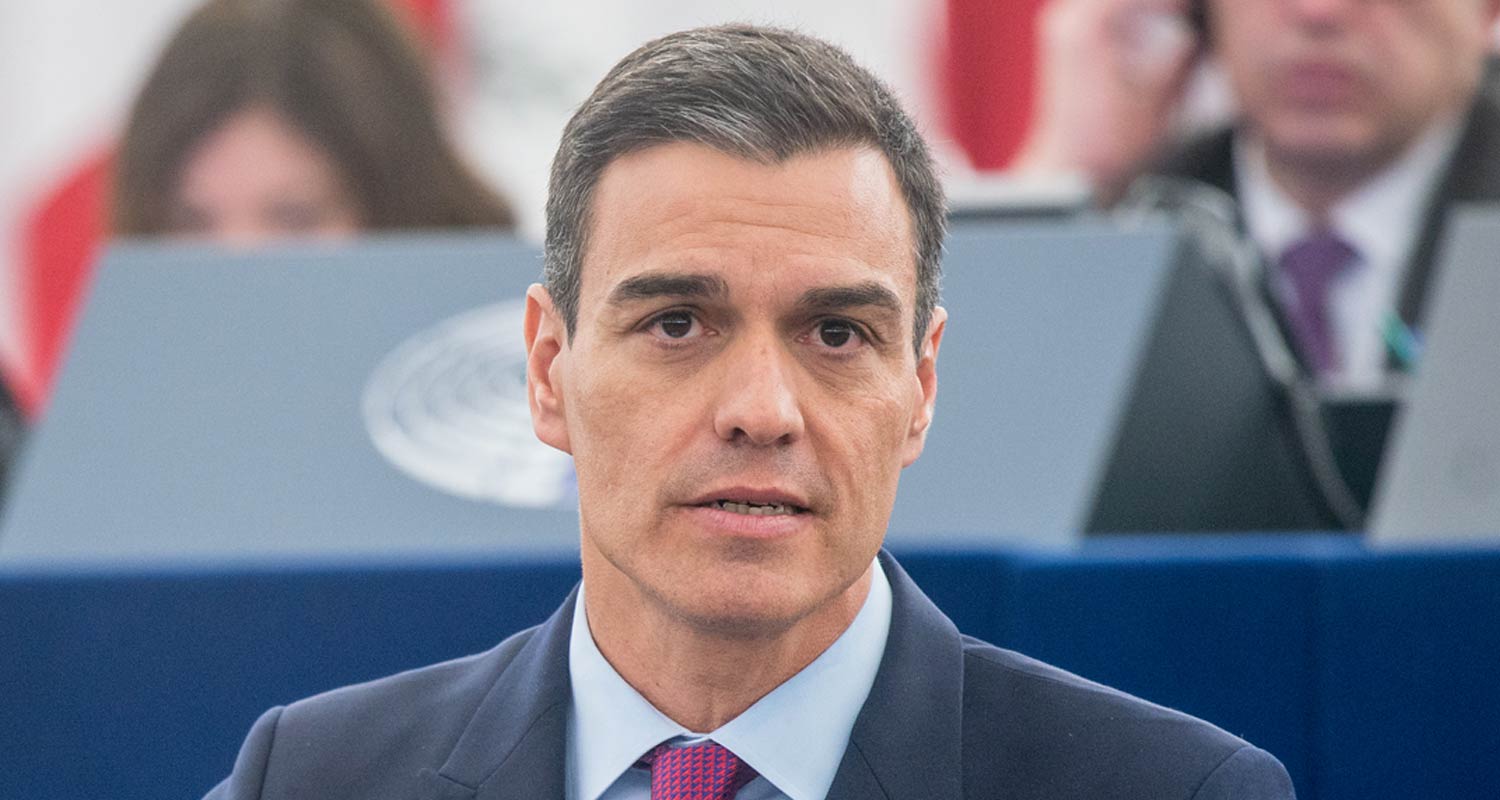
- Spanish Prime Minister Pedro Sánchez delivered this speech at the World Economic Forum in Davos, Switzerland this week
Don’t miss: