


Semiconductor designer AMD said on Tuesday it would buy Xilinx in a US$35-billion all-stock deal, intensifying its battle with Intel in the data centre chip market.
Semiconductor designer AMD said on Tuesday it would buy Xilinx in a US$35-billion all-stock deal, intensifying its battle with Intel in the data centre chip market.
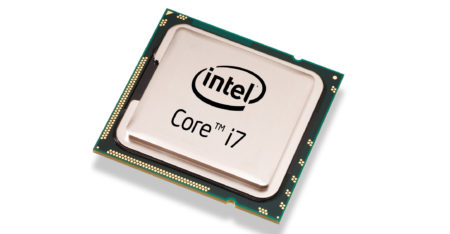
With no short-term catalyst for gains on the horizon, Intel shareholders are now forced to ponder its long-term fundamental prospects, and they frankly remain bleak, even as its rivals prosper.
Intel on Thursday reported that margins tumbled in the latest quarter as consumers bought cheaper laptops and pandemic-stricken businesses and governments clamped down on data centre spending. Its shares tumbled.
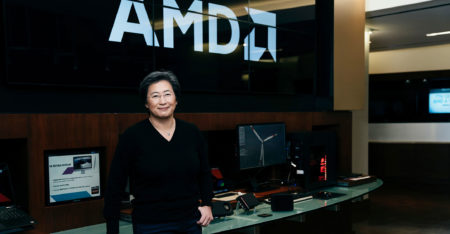
AMD is in advanced discussions to buy Xilinx in a takeover that could be valued at US$30-billion, according to people familiar with the matter.
Shares of Intel slumped and its rivals surged on Friday after the US chip maker signalled it may give up manufacturing its own components after falling far behind schedule developing its newest technology.

The coronavirus pandemic has pressured nearly every corner of the global economy, but analysts continue to see sunny days ahead for cloud computing and the ecosystem that surrounds the technology.
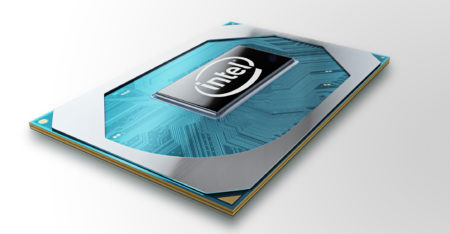
Intel is trying to sell its new laptop chips in an old way – by emphasising their speed. It’s touting the clock speed of its new H line of processors, citing their ability to process data at more than 5GHz.
Right now, data centres consume about 2% of the world’s electricity, but that’s expected to reach 8% by 2030. Moreover, only about 6% of all data ever created is in use today, according to research from Hewlett Packard Enterprise.

After a year of tough headlines, the world’s biggest technology companies showed last week that they’re powering through, continuing to rake in cash and invest in future growth.
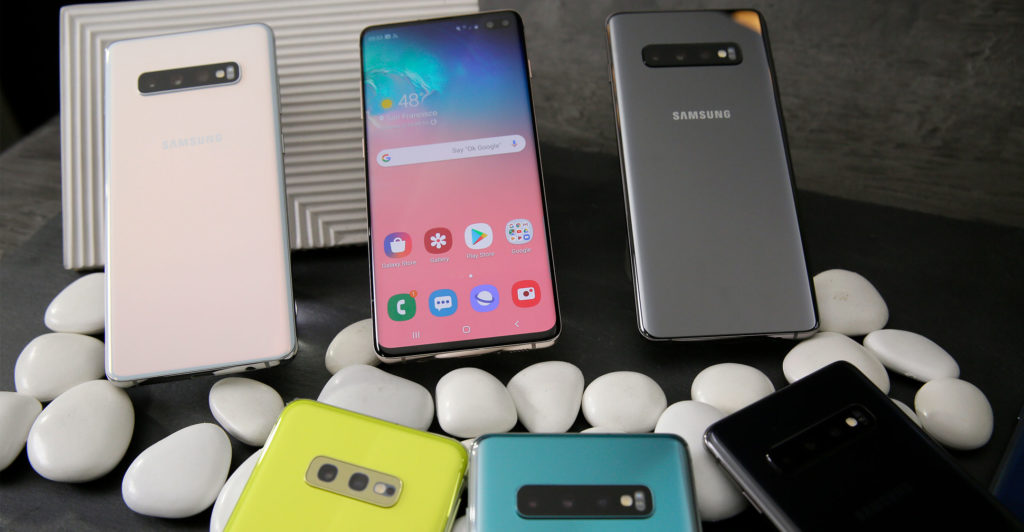
AMD will license its graphics designs to Samsung for use in smartphones and tablets, taking its technology into a new market and helping differentiate products from the world’s biggest smartphone maker.