Technology in 2025 was shaped less by breakthrough products than by power – who holds it, how it is exercised and where its limits lie. From trade wars and tariffs to artificial intelligence and global connectivity, decisions taken in boardrooms and political offices rippled across markets, supply chains and societies.
This year’s list of TechCentral’s international tech newsmakers reflects that shift. It is dominated not by founders chasing the next app, but by figures whose influence now extends deep into geopolitics.
At the top sits US President Donald Trump, whose return to power has redrawn the global technology landscape. The other names in this year’s list underscore how tightly intertwined Silicon Valley and state power have become.
Together, these five men (yes, they’re all men) shaped the technology agenda of 2025 – often controversially, and not always for the better.
5. Larry Ellison
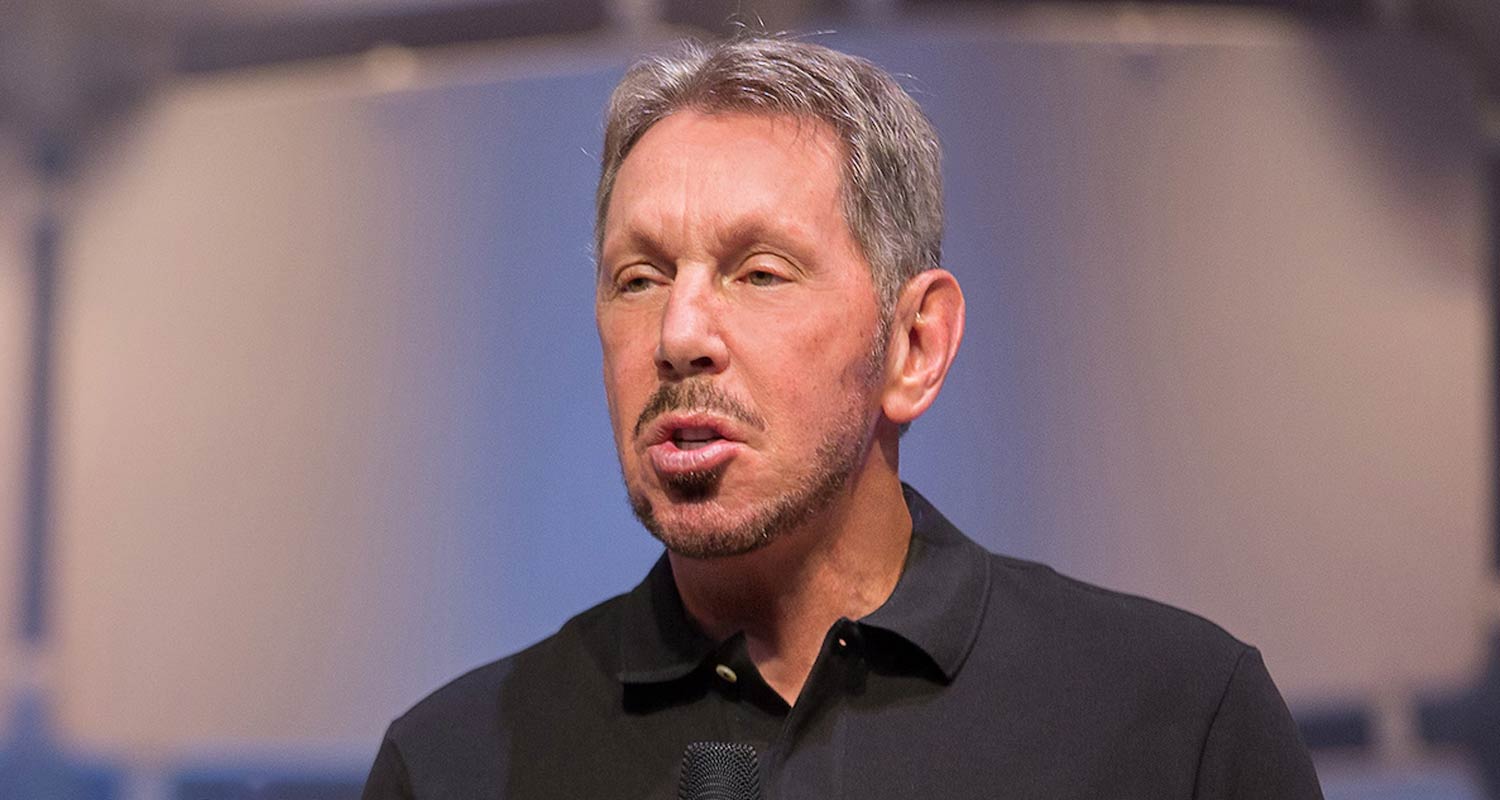
American centi-billionaire and Oracle co-founder Larry Ellison stood out this year for standout deals – from setting records in cloud and AI infrastructure commitments to brokering partnerships that anchored global tech giant Oracle as a central player in generative AI systems.
Oracle secured a partnership with OpenAI, involving up to US$300-billion in cloud computing and AI infrastructure commitments over several years. It is the largest commercial cloud contract in history. The deal cemented Oracle’s status as a top-tier AI infrastructure player, driving investor enthusiasm and elevating Ellison’s prominence.
Ellison, age 81 and showing no signs of slowing down, played a high-profile role in the launch of Stargate, a massive AI infrastructure venture alongside OpenAI and SoftBank.
Initially aimed at deploying extensive global data centre capacity and accelerating AI infrastructure investment, Stargate signalled Oracle’s ambition in shaping the next era of generative AI.
Other deals under his leadership saw Oracle signing cloud agreements with Meta Platforms, Nvidia, xAI and AMD. It’s a remarkable turnaround for company once seen as a legacy enterprise software developer best known for its databases and ERP tools.
Ellison broadened his influence this year with major media and technology asset transactions. He notably helped his son David Ellison finance Skydance Media in its takeover of Paramount. The Ellison family is now supporting Paramount’s bid for Warner Bros Discovery, a deal that could elevate the business into a leading entertainment powerhouse if they can snatch the deal away from preferred bidder Netflix.
Oracle is also a leading contender in a consortium to acquire the US arm of TikTok, the short-video service popular among younger audiences.
Ellison has an estimated net worth of $240-billion, ranking him the third wealthiest person in the world, according to Forbes. Earlier in the year, he briefly overtook Elon Musk to become the world’s richest person but wasn’t able to hang onto that position for long. – Amy Musgrave
4. Elon Musk
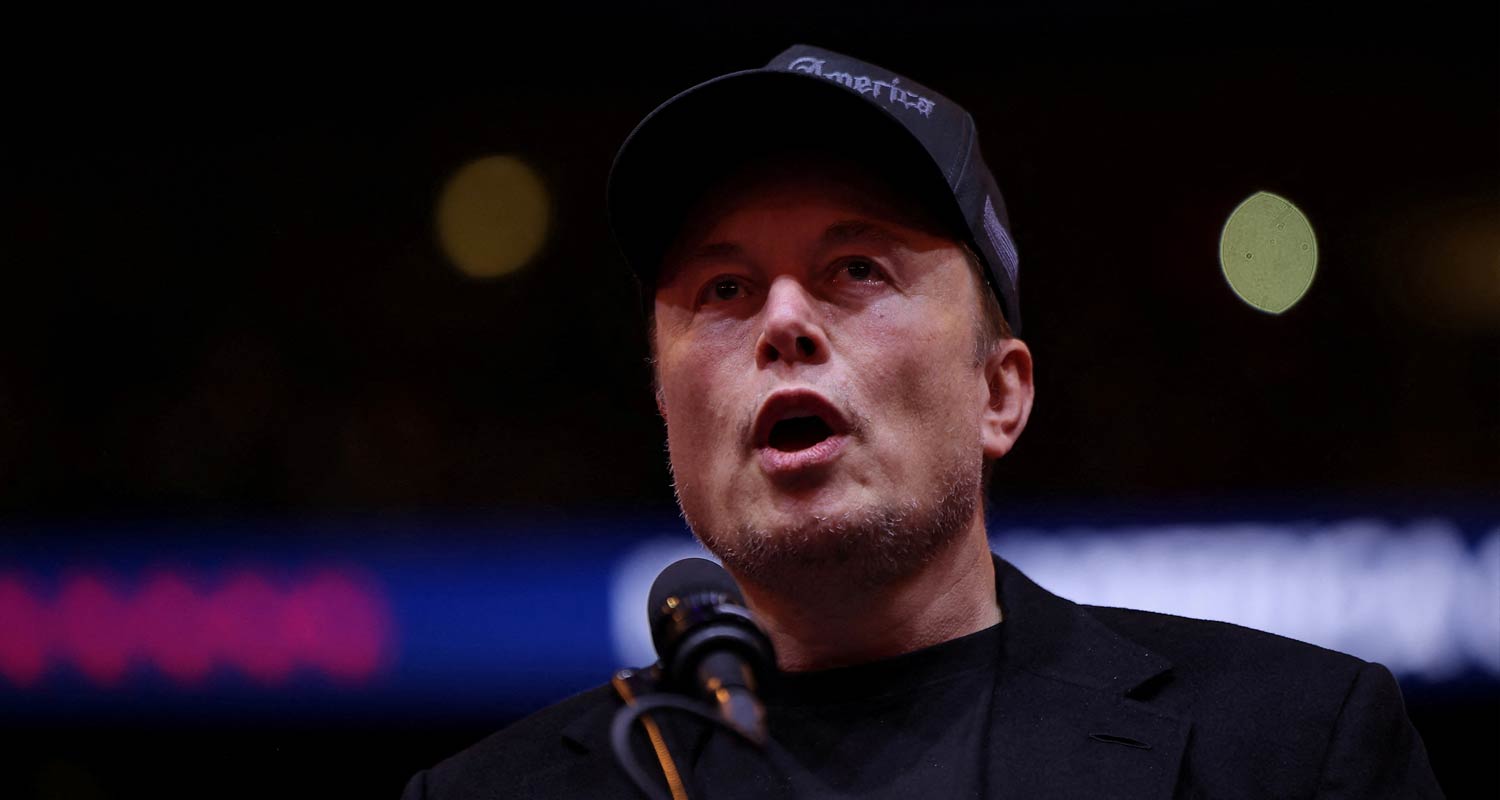
Elon Musk once again dominated headlines in 2025, ranking fourth on TechCentral’s list of international newsmakers after a year marked by technological ambition, political controversy and mounting scrutiny of his business empire.
On the positive side of the ledger, SpaceX continued to push the boundaries of commercial spaceflight. Starship made further progress in test flights, reinforcing Musk’s long-term vision of fully reusable rockets and Mars exploration, even as failures reminded observers how risky – and expensive – that ambition remains.
SpaceX’s Starlink constellation also expanded its reach, signing high-profile partnerships with mobile operators, including Airtel Africa, to roll out direct-to-cell satellite services from 2026. These deals strengthened Musk’s influence in global connectivity debates and intensified regulatory tensions in markets wary of satellite broadband bypassing traditional telecommunications frameworks.
AI was another major theme. Musk’s xAI continued to scale Grok and its underlying models, positioning them as an alternative to OpenAI and Google at a time when concerns about AI concentration, safety and political bias dominated public discourse. Musk cast himself as both innovator and critic, warning of AI’s risks while racing competitors to deploy ever-larger systems.
Yet 2025 was also a bruising and ugly year for Musk, first and foremost because of his alliance and fallout with US President Donald Trump.
The so-called department of government efficiency (Doge) was a disaster because it prioritised ideology and spectacle over competence and institutional knowledge. Cost-cutting was pursued bluntly, hollowing out state capacity rather than improving it, while experienced civil servants were sidelined or pushed out.
Promised efficiency gains failed to materialise, policy delivery slowed and governance became more chaotic. In practice, Doge weakened the machinery of government without delivering meaningful fiscal or operational reform. In short, it failed.
X, the social media platform formerly known as Twitter, remained mired in controversy, too, from advertiser flight and content moderation battles to legal disputes over the Twitter trademark itself. Musk’s confrontational leadership style and frequent posts on X repeatedly triggered backlash.
Tesla, too, faced headwinds, including slowing growth, rising competition from Chinese electric vehicle makers and persistent questions about Musk’s divided attention. Investors continued to debate whether his sprawling portfolio of responsibilities was a strength or a liability.
Musk’s political interventions became increasingly controversial in 2025, with critics accusing him of amplifying far-right narratives and conspiracy theories through X. His public alignment with hard-right figures in the US and Europe sharpened concerns among advertisers, regulators and civil society groups.
Musk also repeatedly criticised South Africa’s black economic empowerment laws, arguing they discriminate against foreign investors and effectively block services like Starlink from operating locally without ownership dilution. Those remarks sparked fierce political backlash, with politicians – especially those on the left – accusing Musk of ideological grandstanding and misrepresenting the country’s transformation framework.
For admirers, Musk remains a visionary who is reshaping industries; for critics, he is increasingly erratic and polarising. In 2025, those contradictions ensured one thing: the man was never far from the news cycle – for better and for worse. — Duncan McLeod
3. Jensen Huang
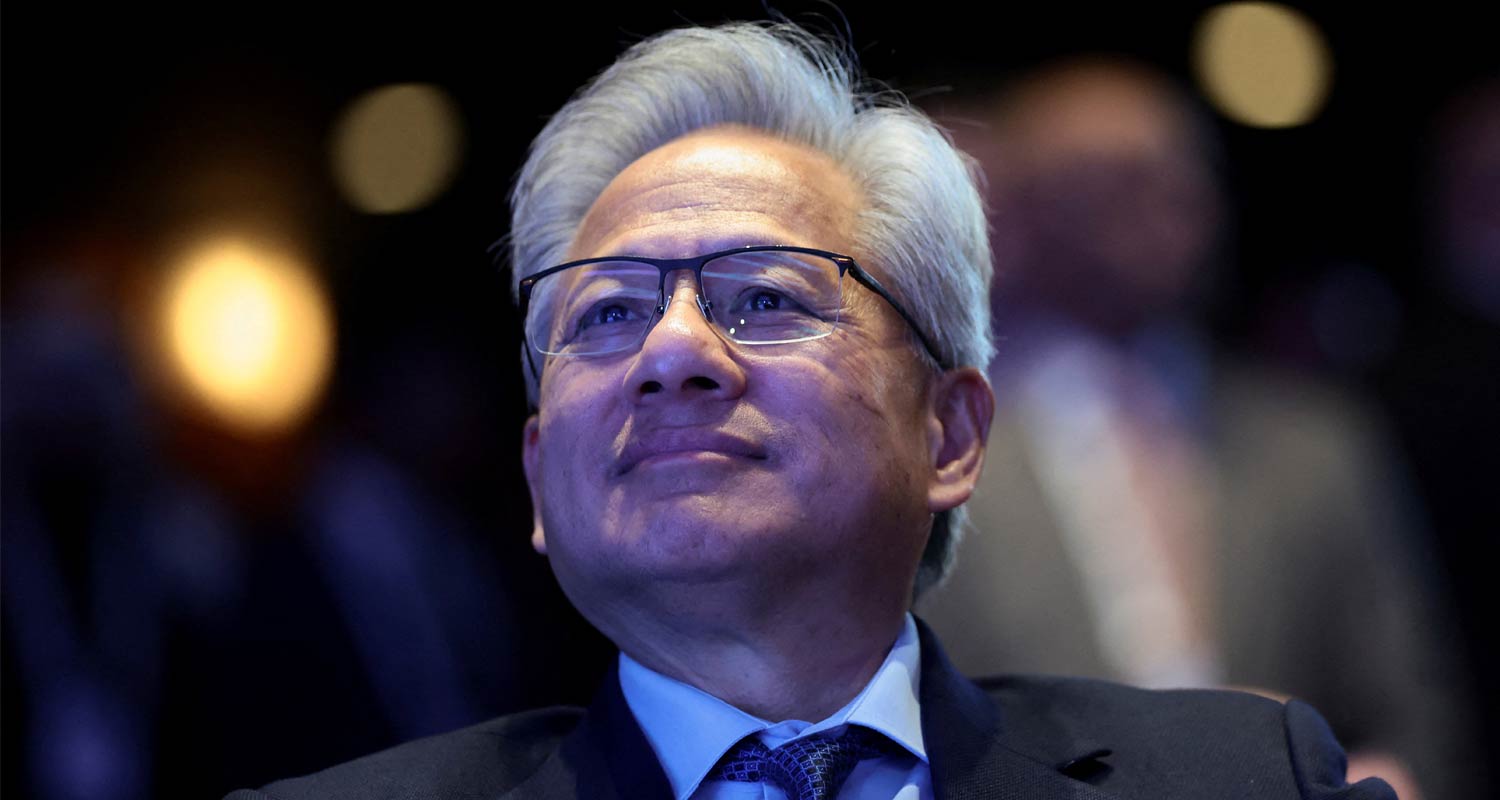
Nvidia’s near monopoly of the advanced AI chips market has made its CEO, Jensen Huang, one of the most influential and wealthiest figures in the world. In October, Nvidia became the first company in history to reach a $5-trillion valuation. Huang’s personal wealth has surged by more than $60-billion this year and now stands at $154-billion, making him the eighth-wealthiest person in the world, according to Forbes.
Nvidia’s growth over the year places the company’s value at roughly 16% of US GDP, with its weighting on the S&P 500 at around 8.5% – a bad day for Nvidia is a bad day for the entire market.
Nvidia’s influence extends beyond its financial stature. The geopolitical implications of the AI arms race between the US and China have hurled the company and CEO Haung into the political sphere. US President Donald Trump initially barred Nvidia from exporting its advanced AI chips to China, claiming access would give the East Asian giant the leverage it needs to beat the US to AI supremacy.
Trump in December changed tack, giving Nvidia leeway to export its H200 chips, the company’s second-most powerful behind market leading Blackwell GPUs, to China. The new market opens a route for Nvidia’s market valuation to surge even further heading into 2026, potentially raising Huang’s personal wealth even further. However, China’s strategy to build its own AI infrastructure, decoupling it from its dependency on the US, could be a dampener of Nvidia’s sales into that market in the years ahead.
Back in the US, Huang continues to cement Nvidia’s position as the central infrastructure player of the AI era through strategic partnerships. These include a $100-billion investment into OpenAI, a push into telecoms hardware with T-Mobile, Softbank and Nokia, and industrial automation deals with Foxconn and Dell Technologies. – Nkosinathi Ndlovu
2. Sundar Pichai
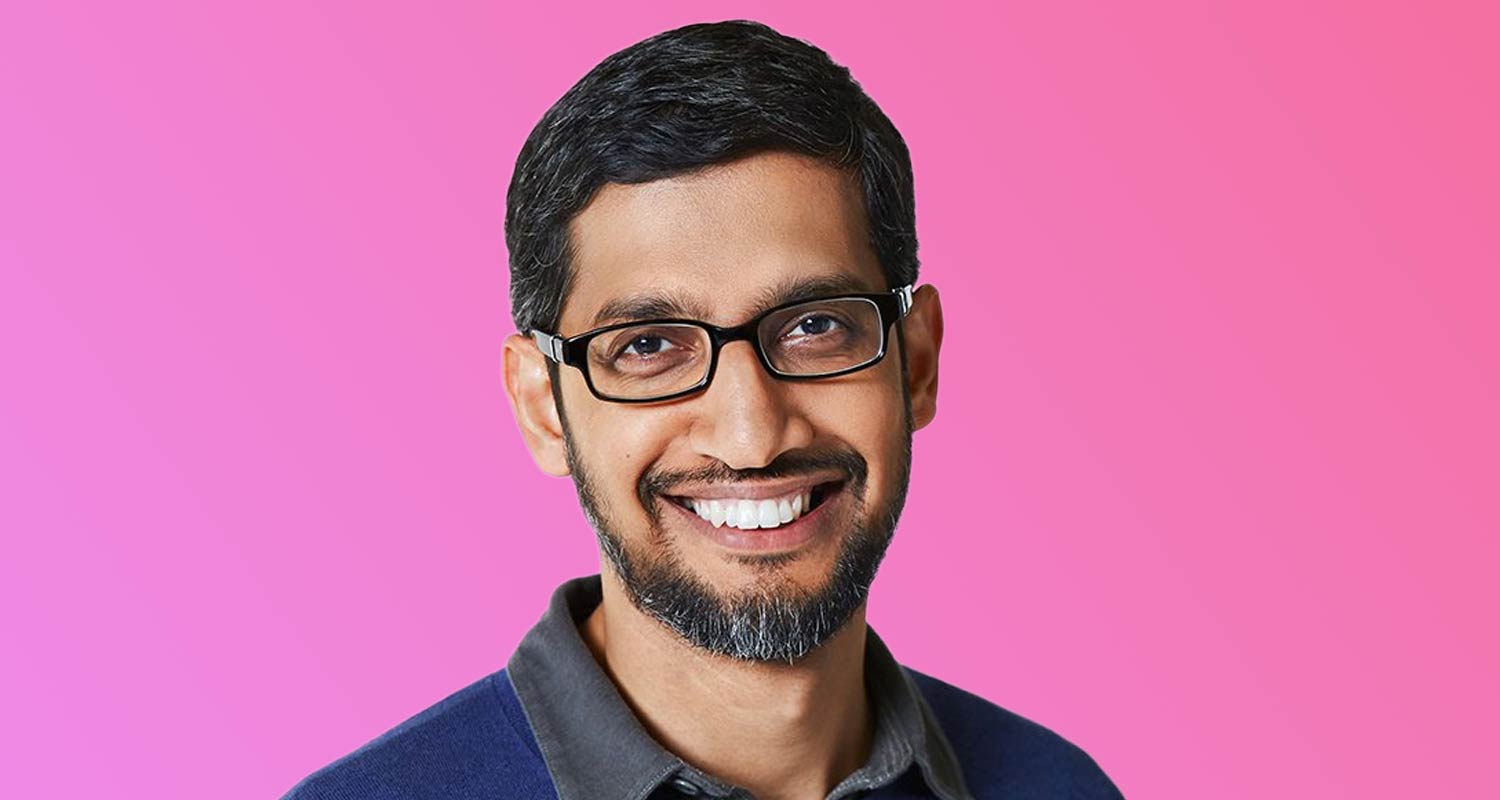
In 2025, Google CEO Sundar Pichai successfully transitioned the web search giant from a perceived AI laggard to a dominant, full-stack leader. The November release of Gemini 3.0 set new AI-model benchmarking records, outpacing all of Google’s competitors in the space. The move sent ChatGPT creator OpenAI into a frenzy, with CEO Sam Altman declaring a “code red” and holding emergency meetings in an effort to counter Google’s rapid advances.
Pichai’s AI strategy has centred on infusing AI across Google’s application ecosystem. In 2025, this included the introduction of AI in Search, which integrates conversational answers directly into the search experience. AI in Search has around 75 million daily active users.
Multimodal AI use has been another key strategic pillar for Google, with Veo 3, Imagen 4 and Nano Banana setting industry standards for generative video and photorealistic image generation.
Supplementing the AI innovation Google is introducing at the application layer is an in-house infrastructure stack centred on Ironwood tensor processing units – the seventh generation of Google’s custom AI chips. According to Pichai, this full-stack approach is giving Google an edge over its competitors, most of whom are exclusively focused on the application layer.
Under Pichai’s leadership, Google achieved its first ever $100-bilion revenue quarter in late 2025, a milestone driven primary by the integration of Gemini across Google’s enterprise and consumer ecosystems. The company’s shares have soared, too, pushing its market value to close to $4-trillion, overtaking long-time rival Microsoft.
“We’re able to get advanced capabilities to the world faster than ever, thanks to our differentiated full-stack approach to AI innovation – from our leading infrastructure to our world-class research and models and tooling, to products that reach billions of people around the world,” Pichai said in a recent post on the Google blog. – Nkosinathi Ndlovu
1. Donald Trump
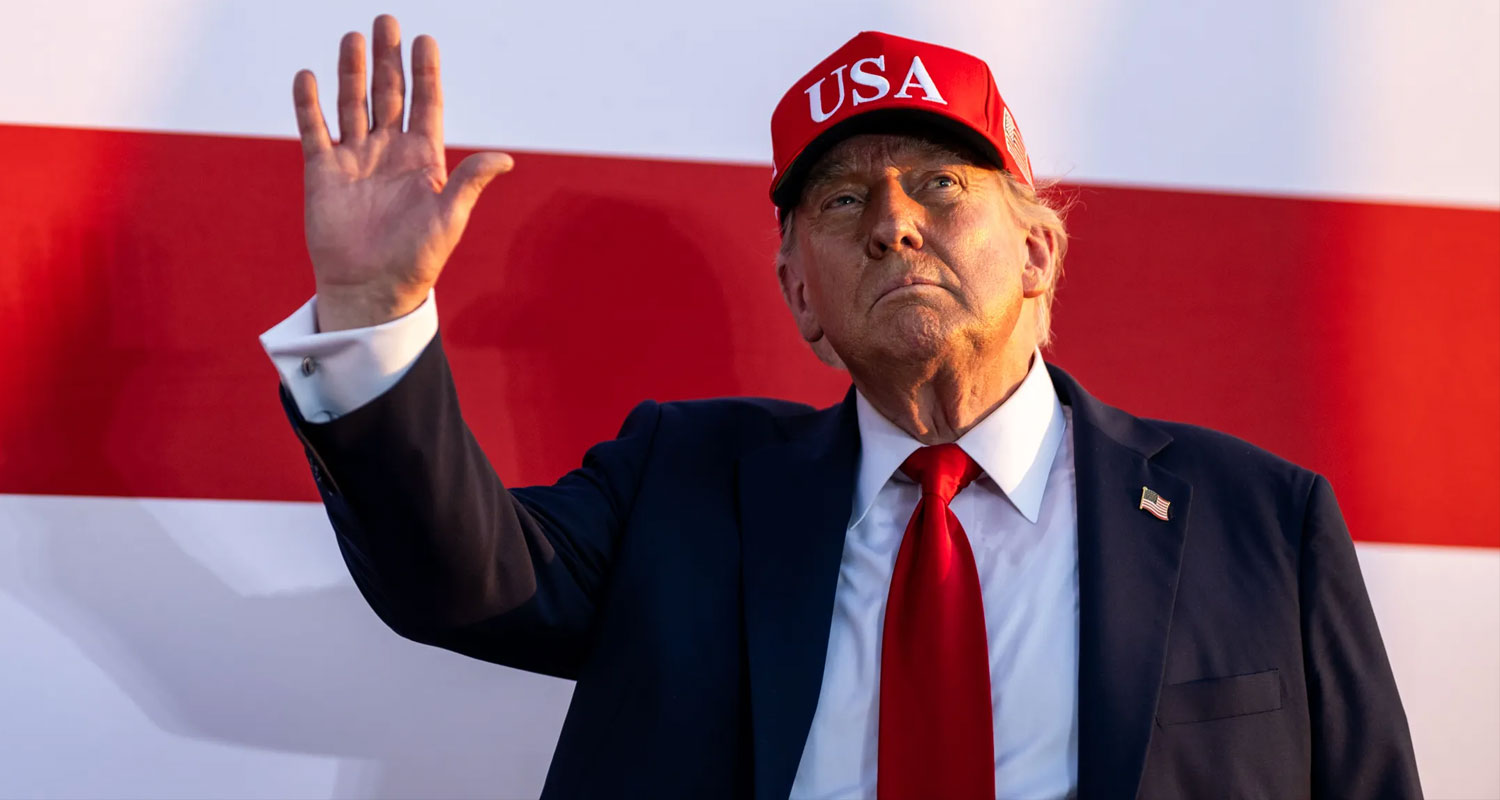
US President Donald Trump was the single most consequential figure for the global technology industry in 2025, not because he built anything new, but because his return to power reshaped the rules under which the sector now operates.
Nowhere was the impact more acute than in US-China relations. Trump’s renewed tariff offensive against Chinese imports reignited a technology cold war that had briefly cooled. Higher duties on semiconductors, networking equipment, electric vehicles and battery components disrupted global supply chains and forced companies into costly and inefficient workarounds. While framed as a national security imperative, the policy deepened fragmentation in the global tech ecosystem, accelerating decoupling and raising costs for consumers and businesses worldwide.
China responded predictably, doubling down on self-sufficiency in chips, AI and cloud infrastructure, while restricting access to critical materials and technologies. The result was not American technological dominance, but a more divided, less innovative global market – one in which geopolitics increasingly trumped efficiency and collaboration.
Trump’s election also resulted a fundamental shift in Silicon Valley’s relationship with political power. Technology executives who once styled themselves as liberal counterweights to Washington lined up for influence, eager to shape trade policy, immigration rules and AI regulation. Trump, openly transactional, rewarded loyalty and access. In doing so, he elevated a small group of tech billionaires and companies into an informal power bloc, blurring the line between public policy and private interest.
Globally, US allies grew wary of the administration’s unpredictable trade policies and erratic diplomacy, while emerging markets faced pressure to choose sides in a binary tech order dominated by Washington and Beijing.
Supporters argue Trump restored American leverage and forced hard conversations about strategic dependence. But in 2025, his legacy for technology looked far darker: higher barriers, fewer bridges and a world where innovation is increasingly hostage to politics. For an industry built on openness and scale, the damage may prove lasting. – Duncan McLeod
Get breaking news from TechCentral on WhatsApp. Sign up here.