
Close Menu
TechCentralTechCentral

    Subscribe to the newsletter

    Get the best South African technology news and analysis delivered to your e-mail inbox every morning.

    Facebook X (Twitter) YouTube LinkedIn
    WhatsApp Facebook X (Twitter) LinkedIn YouTube
    TechCentralTechCentral
    • News
      Showmax kill date confirmed

      Showmax kill date confirmed

      19 March 2026
      GWM eyes plant options in South Africa

      GWM eyes plant options in South Africa

      19 March 2026
      iOCO eyes return to 'serial acquirer' status - Rhys Summerton

      iOCO eyes return to ‘serial acquirer’ status

      18 March 2026
      iOCO scraps 'work from home' - and says it's boosting productivity

      iOCO scraps ‘work from home’ – and says it’s boosting productivity

      18 March 2026
      Showmax kill date announced

      Commission to probe Showmax closure

      18 March 2026
    • World
      Mystery Chinese AI model revealed to be Xiaomi's

      Mystery Chinese AI model revealed to be Xiaomi’s

      19 March 2026
      A mystery AI model has developers buzzing

      A mystery AI model has developers buzzing

      18 March 2026
      Samsung's trifold gamble ends in retreat

      Samsung’s trifold gamble ends in retreat

      17 March 2026
      Nvidia targets $1-trillion in AI chip sales as inference demand surges - Jensen Huang

      Nvidia targets $1-trillion in AI chip sales as inference demand surges

      17 March 2026
      Peter Thiel's secretive Rome conference draws Church attention

      Peter Thiel’s secretive Rome conference draws Church attention

      16 March 2026
    • In-depth
      The last generation of coders

      The last generation of coders

      18 February 2026
      Sentech is in dire straits

      Sentech is in dire straits

      10 February 2026
      How liberalisation is rewiring South Africa's power sector

      How liberalisation is rewiring South Africa’s power sector

      21 January 2026
      The top-performing South African tech shares of 2025

      The top-performing South African tech shares of 2025

      12 January 2026
      Digital authoritarianism grows as African states normalise internet blackouts

      Digital authoritarianism grows as African states normalise internet blackouts

      19 December 2025
    • TCS
      TCS+ | Vox Kiwi: a wireless solution promising a fibre-like experience - Theo van Zyl

      TCS+ | Vox Kiwi: a wireless solution promising a fibre-like experience

      13 March 2026
      TCS+ | Flipping the narrative on AI in the Global South - Josefin Rosén

      TCS+ | Flipping the narrative on AI in the Global South

      13 March 2026
      TCS | Sink or swim? Antony Makins on how AI is rewriting the rules of work

      TCS | Sink or swim? Antony Makins on how AI is rewriting the rules of work

      5 March 2026
      TCS+ | Bolt ups the ante on platform safety - Simo Kalajdzic

      TCS+ | Bolt ups the ante on platform safety

      4 March 2026
      Watts & Wheels S1E4: 'We drive an electric Uber'

      Watts & Wheels S1E4: ‘We drive an electric Uber’

      10 February 2026
    • Opinion
      South Africa's energy future hinges on getting wheeling right - Aishah Gire

      South Africa’s energy future hinges on getting wheeling right

      10 March 2026
      Hold the doom: the case for a South African comeback - Duncan McLeod

      Apple just dropped a bomb on the Windows world

      5 March 2026
      VC's centre of gravity is shifting - and South Africa is in the frame - Alison Collier

      VC’s centre of gravity is shifting – and South Africa is in the frame

      3 March 2026
      Hold the doom: the case for a South African comeback - Duncan McLeod

      Hold the doom: the case for a South African comeback

      26 February 2026
      The AI fraud crisis your bank is not ready for - Andries Maritz

      The AI fraud crisis your bank is not ready for

      18 February 2026
    • Company Hubs
      • 1Stream
      • Africa Data Centres
      • AfriGIS
      • Altron Digital Business
      • Altron Document Solutions
      • Altron Group
      • Arctic Wolf
      • AvertITD
      • Braintree
      • CallMiner
      • CambriLearn
      • CYBER1 Solutions
      • Digicloud Africa
      • Digimune
      • Domains.co.za
      • ESET
      • Euphoria Telecom
      • HOSTAFRICA
      • Incredible Business
      • iONLINE
      • IQbusiness
      • Iris Network Systems
      • LSD Open
      • Mitel
      • NEC XON
      • Netstar
      • Network Platforms
      • Next DLP
      • Ovations
      • Paracon
      • Paratus
      • Q-KON
      • SevenC
      • SkyWire
      • Solid8 Technologies
      • Telit Cinterion
      • Tenable
      • Vertiv
      • Videri Digital
      • Vodacom Business
      • Wipro
      • Workday
      • XLink
    • Sections
      • AI and machine learning
      • Banking
      • Broadcasting and Media
      • Cloud services
      • Contact centres and CX
      • Cryptocurrencies
      • Education and skills
      • Electronics and hardware
      • Energy and sustainability
      • Enterprise software
      • Financial services
      • HealthTech
      • Information security
      • Internet and connectivity
      • Internet of Things
      • Investment
      • IT services
      • Lifestyle
      • Motoring
      • Policy and regulation
      • Public sector
      • Retail and e-commerce
      • Satellite communications
      • Science
      • SMEs and start-ups
      • Social media
      • Talent and leadership
      • Telecoms
    • Events
    • Advertise
    TechCentralTechCentral
    Home » Opinion » Duncan McLeod » Telkom shows way to fix South Africa’s broken SOEs

    Telkom shows way to fix South Africa’s broken SOEs

    By Duncan McLeod6 June 2019
    Twitter LinkedIn Facebook WhatsApp Email Telegram Copy Link
    News Alerts
    WhatsApp

    While state-owned enterprises such as Eskom, South African Airways and the SABC continue to make headlines for all the wrong reasons, one (partially) state-owned company is doing quite well, thank you very much.

    I’m talking, of course, about Telkom, which last month beat analyst expectations for full-year financial performance and hiked its dividend on the back of a stellar performance from its mobile business.

    Investors responded well to the numbers, with the share price jumping to a record high of nearly R100/share. It has far outperformed Vodacom Group, MTN Group and Cell C’s largest shareholder, Blue Label Telecoms, over the past year. Its balance sheet remains strong, too, giving it the potential to play the role of consolidator in South Africa’s telecommunications industry – if the competition authorities let it and it has the appetite to do so (it has already walked away from Cell C and CEO Sipho Maseko told TechCentral recently it no longer has any interest in buying the troubled third national mobile operator).

    How has Telkom managed to do so well, while many other SOEs are mired in debt and red ink?

    All this raises an important question. How has Telkom managed to do so well, while many other SOEs are mired in debt and red ink, begging for bailouts from government (read: taxpayers)? How has it managed to reduce its bloated workforce significantly while companies like Eskom – which may be as much as 60% overstaffed, according to some estimates – can’t wield the axe?

    There are two answers to this question. The first is that Telkom is partially privatised. In the late 1990s, the Nelson Mandela administration sold a 30% stake to foreign investors. The partial privatisation was badly managed – government extended Telkom’s monopoly by five years (in reality, it ended up being much longer), which allowed the foreign strategic equity partners to ram through crazy price hikes – but it eventually led to the company’s floatation on the JSE. Government now owns just over 40% of Telkom (or just over 50%, if you include the Public Investment Corp’s stake), but a big chunk of its shares is in private hands. That means that the company isn’t answerable only to government, making it more difficult for politicians to meddle in its affairs.

    Positive outcome

    So, while government made a mess of Telkom’s partial privatisation, in the longer-term view the move had a broadly positive outcome, especially now that significant competition has been allowed to emerge.

    A partial privatisation of other SOEs should have the same positive outcome if done correctly. Unfortunately, I doubt today’s ANC government, which has lurched significantly leftward since the Mandela days, would consider Telkom’s partial privatisation if it was on the table now.

    But the second answer to the question about why Telkom has done so well relative to other SOEs is probably the more important one. Maseko and his team have been able to get on with the difficult job of turning around and growing Telkom because the company has a strong board of directors that has shielded management from political meddling. And much of the credit for this surely must go to outgoing chairman Jabu Mabuza, who helped assemble a powerful board committed to sound corporate governance.
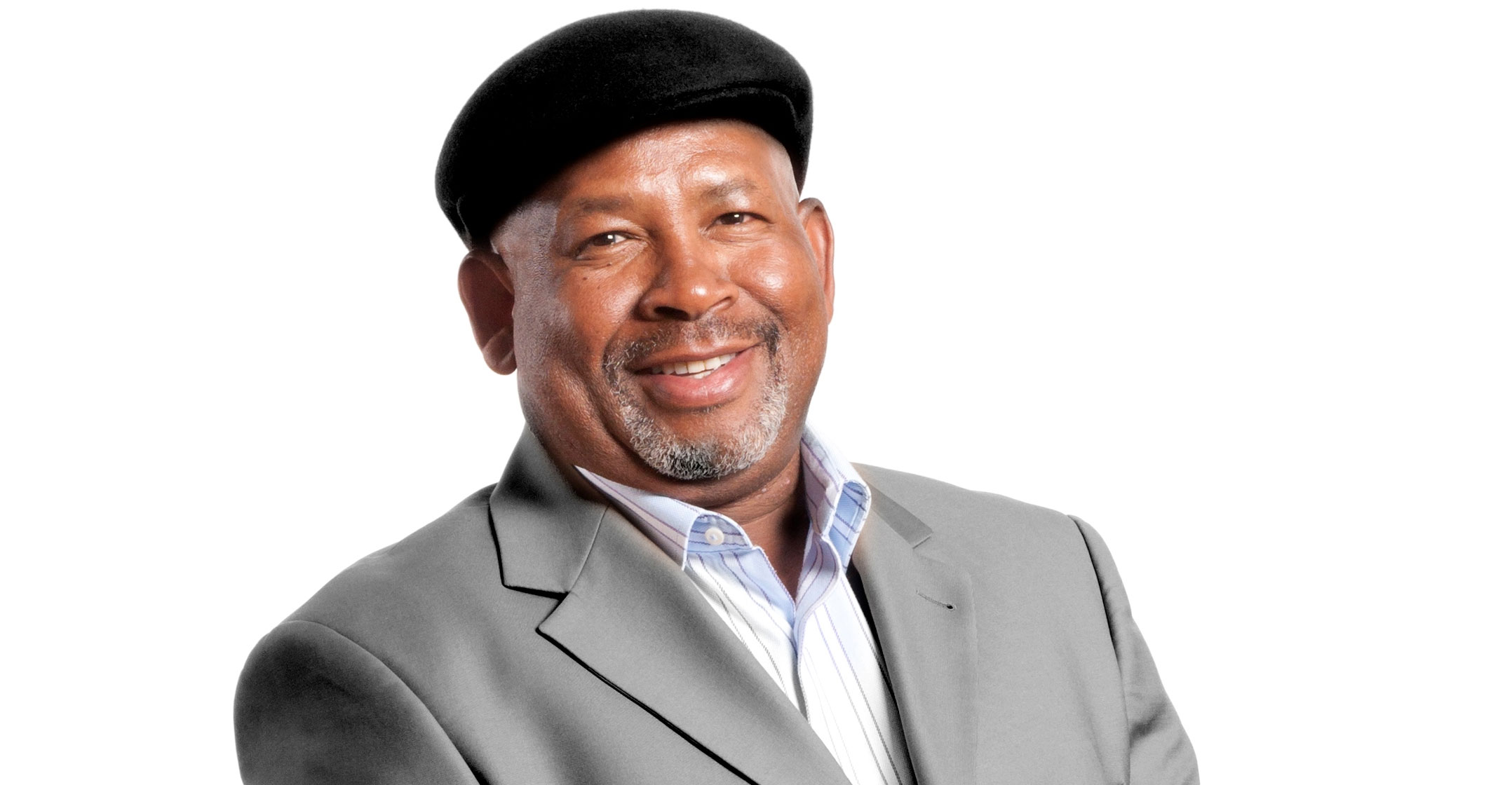
    Jabu Mabuza

    This wasn’t always the case. Before Mabuza’s appointment, Telkom had a particularly weak chairman, who interfered with management and failed to protect Maseko’s predecessors from a succession of (insert your favourite derogatory adjective here) communications ministers (the interfering Dina Pule being a notable example). One hopes Telkom’s board remains strong with the departure this month of Mabuza as chairman. He leaves a great legacy.

    Unfortunately, Mabuza, who also chairs Eskom, hasn’t had quite as much success as he had at Telkom in dealing with political interference. The utility, which urgently needs to cut its workforce to help curb mounting losses and deal with its more than R440-billion in debt, has effectively been prevented by government from going ahead with a job-shedding plan. Public enterprises minister Pravin Gordhan and President Cyril Ramaphosa favour voluntary severance packages rather than forced retrenchments. But this will almost certainly take too long to deal with a critically urgent problem. More bailouts seem inevitable. The proverbial can keeps getting kicked down the road. The problem is, they’re running rapidly out of road. If the Eskom crisis isn’t dealt with soon, South Africa risks losing its fiscal sovereignty. If the country is forced into the hands of the International Monetary Fund, the politicians doing the dithering now most certainly will not like the medicine that will be prescribed. Better to deal with the crisis now, then, that leaving it to someone else.

    One-man wrecking ball

    Then there’s the SABC, another company whose workforce has become bloated and unsustainable. This happened partly under the disastrous “leadership” for former chief operating officer and one-man wrecking ball Hlaudi Motsoeneng, though the problems started long before the Motsoeneng era tore a path of destruction through Auckland Park. The SABC has been on a steady downward slide since at least the tenure of ex-CEO Dali Mpofu, who has since reinvented himself as a senior political leader in Julius Malema’s radical-left Economic Freedom Fighters.

    The SABC arguably has a stronger leadership team today than it’s had in many years. I haven’t met him, but I hear good things about CEO Madoda Mxakwe. Though the SABC’s board has been unstable, it still has some strong members who understand the gravity of the situation the public broadcaster faces and what’s needed to remedy it.

    Unfortunately, it’s run into a political roadblock. Communications minister Stella Ndabeni-Abrahams has interfered with the board’s plans and effectively stopped the corporation from imposing much-needed job cuts. She has interfered in the operational management of the broadcaster, putting its turnaround plan in peril. It’s precisely the sort of interference that is bedevilling the many other SOEs that are in dire financial straits.

    The author, Duncan McLeod, argues that government should emulate the Telkom model at other SOEs

    With Eskom, SAA and other parastatals begging for multibillion-rand bailouts, the last thing national treasury needs now is to have to dig even deeper (or raise more debt) to bail out a company that could be fixed through downsizing.

    It’s questionable whether the SABC should still be running three national television stations (four if you include SABC News on DStv) along with 20-odd radio stations. To put it on a more sustainable footing, it should be allowed to sell some of these assets to private broadcasters. It should probably focus exclusively on its public service mandate, not try to compete head-on with commercial broadcasters. A much-reduced SABC could potentially even be funded from the national fiscus, though there should be a proper and urgent debate on its funding model – the television licence fee regime has failed, with most South Africans not bothering to pay, so it may as well be scrapped. I don’t know what the funding solution is, but it’s clear the current model is broken.

    SOEs must be equipped with strong boards to provide a buffer between politicians and their management teams

    For what it’s worth, I’m not sure we even need a public broadcaster in the modern era (though there are plenty of people who will argue passionately against that view). Quite frankly, government should get out of business and sell most of the SOEs to the highest bidders (while ensuring full market liberalisation to prevent private monopolies from forming). But I realise it’s also important to be pragmatic. We have a socialist government that is ideologically opposed to the idea of privatisation (wrong-headed as that is). While the ANC is in government, wholesale privatisation of state assets simply won’t happen (unless it’s forced on them by the IMF).

    So, what’s the pragmatic solution to the mess? The answer, surely, involves studying Telkom’s success. SOEs need to be equipped with strong boards that provide a buffer between the politicians and the companies’ respective management teams. And the politicians must learn not to interfere, even if they don’t like the decisions being taken (this includes cutting jobs to make them sustainable). This will increase the odds of these SOEs being able to attract capable leaders and, more importantly, keep them.

    If this doesn’t happen, these SOEs will continue to deteriorate and pose a growing threat to South Africa’s economic stability and well-being.  — © 2019 NewsCentral Media

    • Duncan McLeod is editor of TechCentral
    Follow TechCentral on Google News Add TechCentral as your preferred source on Google


    Cell C Cyril Ramaphosa Dali Mpofu Duncan McLeod Eskom Hlaudi Motsoeneng Jabu Mabuza Madoda Mxakwe Pravin Gordhan SABC Sipho Maseko Stella Ndabeni-Abrahams Telkom top
    WhatsApp YouTube
    Share. Facebook Twitter LinkedIn WhatsApp Telegram Email Copy Link
    Previous ArticleGoogle makes its biggest acquisition since 2014
    Next Article Here’s how many branches banks have shut in the last decade

    Related Posts

    Eskom marks 300 days without load shedding

    Eskom marks 300 days without load shedding

    16 March 2026
    South Africa's energy future hinges on getting wheeling right - Aishah Gire

    South Africa’s energy future hinges on getting wheeling right

    10 March 2026
    Eskom tariffs to surge on 1 April as Nersa blunder hits home

    Eskom tariffs to surge on 1 April as Nersa blunder hits home

    10 March 2026
    Company News
    How Acer Africa is bridging the digital divide through local innovation

    How Acer Africa is bridging the digital divide through local innovation

    19 March 2026
    SA is off the FATF grey list - now it's time to modernise compliance - Fenergo

    SA is off the FATF grey list – now it’s time to modernise compliance

    18 March 2026
    Zoyk: Cost-effective payment processing for small businesses in Southern Africa

    Zoyk: Cost-effective payment processing for small businesses in Southern Africa

    18 March 2026
    Opinion
    South Africa's energy future hinges on getting wheeling right - Aishah Gire

    South Africa’s energy future hinges on getting wheeling right

    10 March 2026
    Hold the doom: the case for a South African comeback - Duncan McLeod

    Apple just dropped a bomb on the Windows world

    5 March 2026
    VC's centre of gravity is shifting - and South Africa is in the frame - Alison Collier

    VC’s centre of gravity is shifting – and South Africa is in the frame

    3 March 2026

    Subscribe to Updates

    Get the best South African technology news and analysis delivered to your e-mail inbox every morning.

    Latest Posts
    How Acer Africa is bridging the digital divide through local innovation

    How Acer Africa is bridging the digital divide through local innovation

    19 March 2026
    Showmax kill date confirmed

    Showmax kill date confirmed

    19 March 2026
    Mystery Chinese AI model revealed to be Xiaomi's

    Mystery Chinese AI model revealed to be Xiaomi’s

    19 March 2026
    GWM eyes plant options in South Africa

    GWM eyes plant options in South Africa

    19 March 2026
    © 2009 - 2026 NewsCentral Media
    • Cookie policy (ZA)
    • TechCentral – privacy and Popia

    Type above and press Enter to search. Press Esc to cancel.

    Manage consent

    TechCentral uses cookies to enhance its offerings. Consenting to these technologies allows us to serve you better. Not consenting or withdrawing consent may adversely affect certain features and functions of the website.

    Functional Always active
    The technical storage or access is strictly necessary for the legitimate purpose of enabling the use of a specific service explicitly requested by the subscriber or user, or for the sole purpose of carrying out the transmission of a communication over an electronic communications network.
    Preferences
    The technical storage or access is necessary for the legitimate purpose of storing preferences that are not requested by the subscriber or user.
    Statistics
    The technical storage or access that is used exclusively for statistical purposes. The technical storage or access that is used exclusively for anonymous statistical purposes. Without a subpoena, voluntary compliance on the part of your Internet Service Provider, or additional records from a third party, information stored or retrieved for this purpose alone cannot usually be used to identify you.
    Marketing
    The technical storage or access is required to create user profiles to send advertising, or to track the user on a website or across several websites for similar marketing purposes.
    • Manage options
    • Manage services
    • Manage {vendor_count} vendors
    • Read more about these purposes
    View preferences
    • {title}
    • {title}
    • {title}