
Close Menu
TechCentralTechCentral

    Subscribe to the newsletter

    Get the best South African technology news and analysis delivered to your e-mail inbox every morning.

    Facebook X (Twitter) YouTube LinkedIn
    WhatsApp Facebook X (Twitter) LinkedIn YouTube
    TechCentralTechCentral
    • News
      Ramokgopa bullish on energy outlook as new projects get green light - Kgosientsho Ramokgopa

      Ramokgopa bullish on energy outlook as new projects get green light

      15 December 2025
      Wiocc lands R1.1-billion in debt funding for data centre, fibre expansion - Chris Wood

      Wiocc lands R1.1-billion in debt funding for data centre, fibre expansion

      15 December 2025
      Rand hits strongest level in three years

      Rand hits its strongest level in three years

      15 December 2025
      Presidency backs Solly Malatsi in BEE reform fight - Cyril Ramaphosa

      Presidency backs Solly Malatsi in BEE reform fight

      15 December 2025
      ICT BEE fight deepens as MK, EFF target Malatsi - Colleen Makhubele

      ICT BEE fight deepens as MK, EFF target Malatsi

      15 December 2025
    • World
      Oracle’s AI ambitions face scrutiny on earnings miss

      Oracle’s AI ambitions face scrutiny on earnings miss

      11 December 2025
      China will get Nvidia H200 chips - but not without paying Washington first

      China will get Nvidia H200 chips – but not without paying Washington first

      9 December 2025
      IBM reportedly close to $11-billion deal to buy Confluent - Arvind Krishna

      IBM reportedly close to $11-billion deal to buy Confluent

      8 December 2025
      Amazon and Google launch multi-cloud service for faster connectivity

      Amazon and Google launch multi-cloud service for faster connectivity

      1 December 2025
      Google makes final court plea to stop US breakup

      Google makes final court plea to stop US breakup

      21 November 2025
    • In-depth
      Black Friday goes digital in South Africa as online spending surges to record high

      Black Friday goes digital in South Africa as online spending surges to record high

      4 December 2025
      Canal+ plays hardball - and DStv viewers feel the pain

      Canal+ plays hardball – and DStv viewers feel the pain

      3 December 2025
      Jensen Huang Nvidia

      So, will China really win the AI race?

      14 November 2025
      Valve's Linux console takes aim at Microsoft's gaming empire

      Valve’s Linux console takes aim at Microsoft’s gaming empire

      13 November 2025
      iOCO's extraordinary comeback plan - Rhys Summerton

      iOCO’s extraordinary comeback plan

      28 October 2025
    • TCS
      TCS+ | Africa's digital transformation - unlocking AI through cloud and culture - Cliff de Wit Accelera Digital Group

      TCS+ | Cloud without culture won’t deliver AI: Accelera’s Cliff de Wit

      12 December 2025
      TCS+ | How Cloud on Demand helps partners thrive in the AWS ecosystem - Odwa Ndyaluvane and Xenia Rhode

      TCS+ | How Cloud On Demand helps partners thrive in the AWS ecosystem

      4 December 2025
      TCS | MTN Group CEO Ralph Mupita on competition, AI and the future of mobile

      TCS | Ralph Mupita on competition, AI and the future of mobile

      28 November 2025
      TCS | Dominic Cull on fixing South Africa's ICT policy bottlenecks

      TCS | Dominic Cull on fixing South Africa’s ICT policy bottlenecks

      21 November 2025
      TCS | BMW CEO Peter van Binsbergen on the future of South Africa's automotive industry

      TCS | BMW CEO Peter van Binsbergen on the future of South Africa’s automotive industry

      6 November 2025
    • Opinion
      Netflix, Warner Bros deal raises fresh headaches for MultiChoice - Duncan McLeod

      Netflix, Warner Bros deal raises fresh headaches for MultiChoice

      5 December 2025
      BIN scans, DDoS and the next cybercrime wave hitting South Africa's banks - Entersekt Gerhard Oosthuizen

      BIN scans, DDoS and the next cybercrime wave hitting South Africa’s banks

      3 December 2025
      Your data, your hardware: the DIY AI revolution is coming - Duncan McLeod

      Your data, your hardware: the DIY AI revolution is coming

      20 November 2025
      Zero Carbon Charge founder Joubert Roux

      The energy revolution South Africa can’t afford to miss

      20 November 2025
      It's time for a new approach to government IT spend in South Africa - Richard Firth

      It’s time for a new approach to government IT spend in South Africa

      19 November 2025
    • Company Hubs
      • Africa Data Centres
      • AfriGIS
      • Altron Digital Business
      • Altron Document Solutions
      • Altron Group
      • Arctic Wolf
      • AvertITD
      • Braintree
      • CallMiner
      • CambriLearn
      • CYBER1 Solutions
      • Digicloud Africa
      • Digimune
      • Domains.co.za
      • ESET
      • Euphoria Telecom
      • Incredible Business
      • iONLINE
      • IQbusiness
      • Iris Network Systems
      • LSD Open
      • NEC XON
      • Netstar
      • Network Platforms
      • Next DLP
      • Ovations
      • Paracon
      • Paratus
      • Q-KON
      • SevenC
      • SkyWire
      • Solid8 Technologies
      • Telit Cinterion
      • Tenable
      • Vertiv
      • Videri Digital
      • Vodacom Business
      • Wipro
      • Workday
      • XLink
    • Sections
      • AI and machine learning
      • Banking
      • Broadcasting and Media
      • Cloud services
      • Contact centres and CX
      • Cryptocurrencies
      • Education and skills
      • Electronics and hardware
      • Energy and sustainability
      • Enterprise software
      • Financial services
      • Information security
      • Internet and connectivity
      • Internet of Things
      • Investment
      • IT services
      • Lifestyle
      • Motoring
      • Public sector
      • Retail and e-commerce
      • Satellite communications
      • Science
      • SMEs and start-ups
      • Social media
      • Talent and leadership
      • Telecoms
    • Events
    • Advertise
    TechCentralTechCentral
    Home » Sections » Information security » Vishing: What is it and how do I avoid getting scammed?

    Vishing: What is it and how do I avoid getting scammed?

    By ESET14 June 2021
    Twitter LinkedIn Facebook WhatsApp Email Telegram Copy Link
    News Alerts
    WhatsApp

    We’ve all heard of phishing, the tried-and-tested e-mail scam that spoofs authoritative sources to trick recipients into handing over sensitive information or downloading malware. Well, vishing is its voice call equivalent. It’s a con trick with many variants that can impact individuals and organisations alike — with potentially devastating consequences.

    Together phishing, smishing, pharming and vishing cost more than 241 000 victims more than US$54-million in 2020. And that’s just the cases that were reported to the FBI, as many cases of fraud go unreported.

    So how do vishing scams work, how do they impact businesses and individuals, and how can you protect yourself from them?

    The problem with social engineering

    Vishing works across the consumer and business sphere for one good reason: human fallibility. Social engineering lies at the heart of the bad guys’ efforts. It is, in effect, the art of persuasion. Social engineering is about impersonating a trusted authority — your bank, technology provider, the government, an IT helpdesk worker — and creating a sense of urgency or fear that overrides any natural caution or suspicion the victim may have.

    Would you take the bait? Take our phishing quiz to find out

    These techniques are used in phishing e-mails and fake text messages (known as smishing). But perhaps they’re most effective when used “live” over the phone. Vishers have several additional tools and tactics to make their scams more successful, including:

    • Caller ID spoofing tools, which can be used to hide the scammer’s real location and even impersonate the phone numbers of trusted organisations. Last year, for example, clients of the Ritz London hotel had their personal details stolen during a breach at the luxury hotel and the scammers then used the data to mount convincing social engineering attacks against the victims, spoofing the hotel’s official number in the process.
    • Multi-channel scams that might start with a smishing text message, a phishing e-mail or a voicemail and encourage the user to call a number. Doing so will put the victim through directly to a scammer.
    • Social media scraping and open-source research, which can provide the scammer with a wealth of information on their victims. It can be used to target specific individuals (say, corporate employees with privileged accounts) and to add legitimacy to the scam – the visher may repeat back some personal details to the victim so that they might divulge more.

    The impact of vishing in the workplace

    Vishing is most likely in corporate context to be used to steal privileged credentials. The FBI has warned multiple times of such attacks. Back in August 2020, it detailed a sophisticated operation in which cybercriminals researched their targets and then called pretending to be from the IT helpdesk. Victims were encouraged to fill in their login details at a previously registered phishing site designed to spoof the company’s VPN login page. These credentials were then used to access company databases for customers’ personal information.

    Such attacks are more commonplace partly thanks to the mass shift to remote working during the pandemic, the FBI warned. In fact, it was forced to issue another alert in January 2021 for an operation in which similar techniques were used to gain corporate network access.

    A now-infamous breach at Twitter, in which highly targeted employees were tricked by vishers into revealing their logins, illustrates that even tech-savvy companies and users can fall victim. In this case, access was used to hijack the accounts of celebrity users to distribute a cryptocurrency scam.

    How voice phishing can hit my family

    Unfortunately, vishing scammers are also out in force to target consumers. In these attacks, the ultimate goal is to make money from you either by stealing bank account or card information directly or tricking you into handing over personal information and logins they can use to access these accounts.
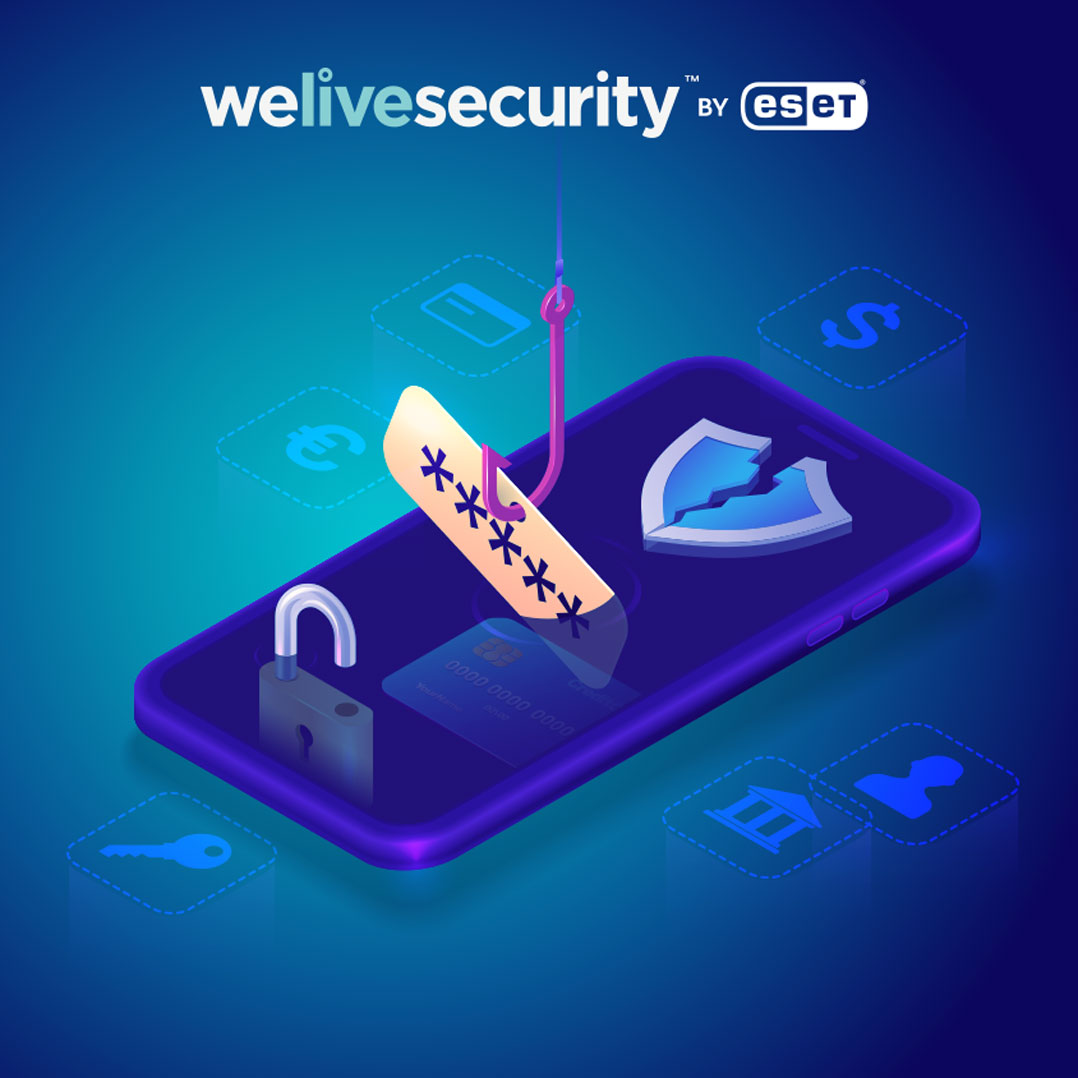
    Here are a few typical scams:

    Tech support scams
    In tech support fraud, victims are often cold-called by someone pretending to be their Internet service provider, or a well-known software or hardware vendor. They’ll claim to have found a non-existent problem with your PC and then elicit payment (and your card details) to fix it, sometimes downloading malware in the process. These scams may also begin with a user presented with a pop-up window that urges them to call a hotline number.

    Wardialling
    This is the practice of sending automated voicemail messages to large numbers of victims, and usually tries to scare them into calling back — for example, by claiming they have tax bills or other fines unpaid.

    Telemarketing
    Another popular tactic is to call up claiming the recipient has won a fabulous prize. The only catch is that there’s an upfront fee required before the victim can receive their prize.

    Phishing/smishing
    As mentioned, scams can begin with a spoofed e-mail or fake SMS, encouraging the user to call a number. A popular one is an “Amazon” e-mail claiming something is wrong with a recent order. Calling the number will put the victim on the line with a vishing fraudster.

    How to prevent vishing

    Although some of these scams are becoming increasingly sophisticated, there’s plenty you can do to mitigate the risk of falling victim. Some basic steps include:

    • Go ex-directory, so your number is not publicly available;
    • Do not enter your phone number into any online forms (like when buying online);
    • Be wary of requests for your bank, personal or any other sensitive information over the phone;
    • Exercise caution — don’t engage with any unsolicited callers, especially if they ask to confirm sensitive details;
    • Never call back a number left via voicemail. Always contact the organisation directly;
    • Use multi-factor authentication on all online accounts; and
    • Ensure your e-mail/Web security is updated and includes anti-phishing capabilities.

    This promoted content was paid for by the party concerned



    ESET pharming phishing smishing vishing
    Subscribe to TechCentral Subscribe to TechCentral
    Share. Facebook Twitter LinkedIn WhatsApp Telegram Email Copy Link
    Previous ArticleSmart SUSE Linux Enterprise Server shifts the compatibility goalposts
    Next Article R385-million bid wins rocket trip to space with Jeff Bezos

    Related Posts

    TCS+ | From gen AI to deepfakes – the latest infosec threats - Adrian Stanford ESET

    TCS+ | From gen AI to deepfakes – the latest infosec threats

    1 October 2024
    TCS+ | ESET's Adrian Stanford: how AI will transform cybersecurity - Adrian Stanford

    TCS+ | ESET’s Adrian Stanford: how AI will transform cybersecurity

    10 June 2024
    AI's double-edged sword requires a human security approach - Adrian Stanford ESET Southern Africa

    AI’s double-edged sword requires a human security approach

    4 June 2024
    Company News
    AI, cloud and the great IT rationalisation - Craig Stephens SAS South Africa

    AI, cloud and the great IT rationalisation

    15 December 2025
    New Vox partner programme helps ISPs expand without the heavy lifting

    New Vox partner programme helps ISPs expand without the heavy lifting

    15 December 2025
    How alternative credit models can unlock South Africa's hidden economy - Cameron Kyle-Perumal M-KOPA South Africa

    How alternative credit models can unlock South Africa’s hidden economy

    15 December 2025
    Opinion
    Netflix, Warner Bros deal raises fresh headaches for MultiChoice - Duncan McLeod

    Netflix, Warner Bros deal raises fresh headaches for MultiChoice

    5 December 2025
    BIN scans, DDoS and the next cybercrime wave hitting South Africa's banks - Entersekt Gerhard Oosthuizen

    BIN scans, DDoS and the next cybercrime wave hitting South Africa’s banks

    3 December 2025
    Your data, your hardware: the DIY AI revolution is coming - Duncan McLeod

    Your data, your hardware: the DIY AI revolution is coming

    20 November 2025

    Subscribe to Updates

    Get the best South African technology news and analysis delivered to your e-mail inbox every morning.

    Latest Posts
    Ramokgopa bullish on energy outlook as new projects get green light - Kgosientsho Ramokgopa

    Ramokgopa bullish on energy outlook as new projects get green light

    15 December 2025
    Wiocc lands R1.1-billion in debt funding for data centre, fibre expansion - Chris Wood

    Wiocc lands R1.1-billion in debt funding for data centre, fibre expansion

    15 December 2025
    Rand hits strongest level in three years

    Rand hits its strongest level in three years

    15 December 2025
    Presidency backs Solly Malatsi in BEE reform fight - Cyril Ramaphosa

    Presidency backs Solly Malatsi in BEE reform fight

    15 December 2025
    © 2009 - 2025 NewsCentral Media
    • Cookie policy (ZA)
    • TechCentral – privacy and Popia

    Type above and press Enter to search. Press Esc to cancel.

    Manage consent

    TechCentral uses cookies to enhance its offerings. Consenting to these technologies allows us to serve you better. Not consenting or withdrawing consent may adversely affect certain features and functions of the website.

    Functional Always active
    The technical storage or access is strictly necessary for the legitimate purpose of enabling the use of a specific service explicitly requested by the subscriber or user, or for the sole purpose of carrying out the transmission of a communication over an electronic communications network.
    Preferences
    The technical storage or access is necessary for the legitimate purpose of storing preferences that are not requested by the subscriber or user.
    Statistics
    The technical storage or access that is used exclusively for statistical purposes. The technical storage or access that is used exclusively for anonymous statistical purposes. Without a subpoena, voluntary compliance on the part of your Internet Service Provider, or additional records from a third party, information stored or retrieved for this purpose alone cannot usually be used to identify you.
    Marketing
    The technical storage or access is required to create user profiles to send advertising, or to track the user on a website or across several websites for similar marketing purposes.
    • Manage options
    • Manage services
    • Manage {vendor_count} vendors
    • Read more about these purposes
    View preferences
    • {title}
    • {title}
    • {title}