South Africa’s electric vehicle market is failing to grow and Audi says import taxes and a lack of consumer incentives are largely to blame, with the premium segment declining in full battery electric sales last year.
That was the message from Asif Hoosen, head of sales and planning at Audi South Africa. Hoosen said the structural problems go beyond product or brand awareness. The government is making EVs more expensive to import than petrol cars, and nothing is being done to help consumers afford them.
EVs attract a 25% import duty in South Africa. Combustion engine vehicles attract 18%. That gap directly inflates the price of every EV sold in the country before a dealer adds a single rand of margin.
“If there isn’t an incentive for customers to jump into the electric vehicle space, they won’t necessarily pay R100 000, R200 000 or R300 000 more for an electric vehicle when they can simply drive a combustion engine [car],” Hoosen said.
The problem is not unique to Audi. The entire premium EV segment shrank over the past year. South Africa’s total battery-electric vehicle sales represent less than 1% of the overall vehicle market. Plug-in hybrid sales are beginning to grow but remain very small.
Hoosen pointed to Germany as a case study in what works. The German government introduced incentives that made battery-electric and plug-in hybrid vehicles (PHEVs) more attractive to buy than combustion engine cars. Demand responded. When those incentives were withdrawn, demand collapsed. The lesson, Hoosen said, is that EV adoption does not happen on goodwill alone. Price drives behaviour.
Range anxiety
“It’s about total cost of ownership. It’s purchasing price, it’s tax and it’s fuel prices,” he said.
Audi knows this from experience. The brand launched a full battery-electric range in South Africa in 2022 and invested in charging infrastructure to support it. The products started above R2-million. The market did not respond at scale. “The market didn’t follow suit,” he said.
He acknowledged that a rival premium brand later brought an EV to market at around R800 000 and sold meaningful volume, hinting at the introduction of the Volvo EX30. That told Audi something important: South African consumers will buy EVs at the right price point and the barrier is not technology or range anxiety alone.
Read: The biggest untapped EV market on Earth is hiding in plain sight
Still, on range anxiety specifically, Hoosen said it remains a real factor in South Africa in a way it is not in Europe. South Africa is a large country with limited public charging infrastructure. Public transport cannot serve as a backup the way it does in Germany or Singapore. If a driver runs out of charge in a remote area, the only option is roadside assistance and a flatbed truck.
He also made a point about PHEVs that challenges the way they are often marketed. A PHEV is not more efficient than a standard petrol car once the battery depletes. The additional battery adds weight. That means the combustion engine in a PHEV is powering a heavier vehicle than a pure petrol car once the battery is flat, which increases fuel consumption. The benefit of the technology is the transition it offers consumers, not the efficiency. He described them as a “stepping stone” to full EVs.
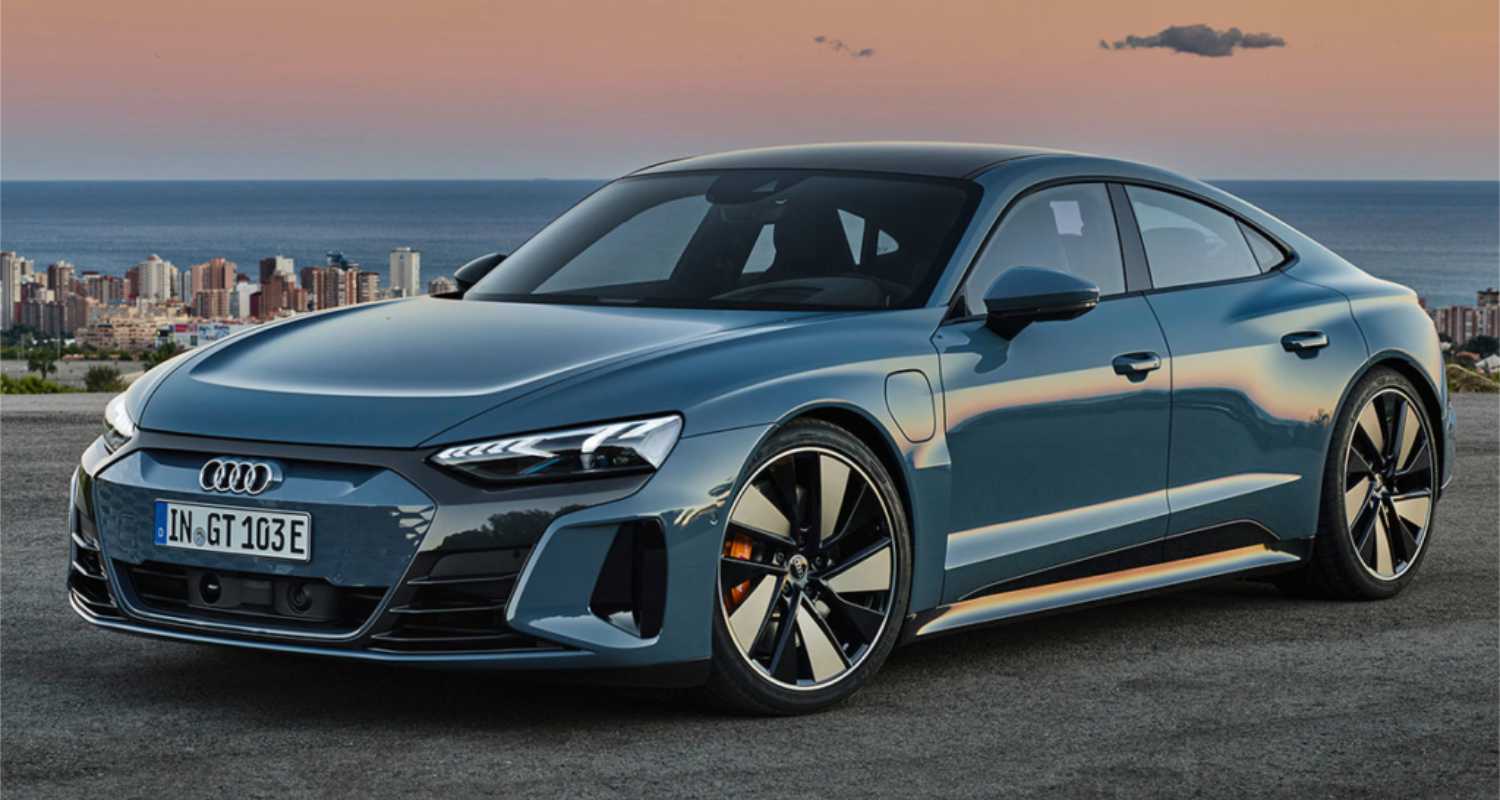
On total cost of ownership, Hoosen said the case for battery EVs is stronger than most South African consumers realise. Running a battery-electric vehicle costs less over time than running a petrol car, particularly for drivers with solar at home. The challenge remains the upfront purchase price.
Audi is engaging the government on policy through its owner, Volkswagen. VW Group Africa MD Martina Biene has raised the issue publicly and directly with the presidency. Hoosen said the ask is straightforward: import duties on EVs should at minimum match those on combustion engine vehicles. Ideally they should be lower to create demand for a new technology.
“If we want to see this segment grow, at a minimum it should be at an equivalent level, if not cheaper, in order to create the demand and encourage customers to adopt a new technology,” Hoosen said.
Read more: Charge bypasses JSE for token-based raise
President Cyril Ramaphosa signed a 150% tax deduction for manufacturers investing in new-energy vehicle production into law in December 2024, with the incentive taking effect from 1 March 2026 and running until 2036. Hoosen welcomed it but noted it does nothing to lower the price consumers pay at a dealership. – © 2026 NewsCentral Media
Get breaking news from TechCentral on WhatsApp. Sign up here.