
Diesel prices will fall sharply from Wednesday while petrol rises, in a split fuel-price adjustment that brings relief to freight, agriculture and the technology sector’s diesel-hungry backup infrastructure even as many motorists pay more at the pump.
The department of mineral & petroleum resources announced the changes, effective 3 June 2026: wholesale diesel drops R3.25/l for the 0.05% sulphur grade and R2.62 for 0.005%, while both grades of petrol – 93 and 95 – rise R1.43. Wholesale illuminating paraffin falls R5.96/l, and the maximum LP gas retail price eases 17c/kg nationally and 20c/kg in the Western Cape.
The divergence comes down to the price structure rather than the oil market. Brent crude actually rose over the review period, from US$101 to $104.59/barrel, on continued US-Iran tension and the closure of the Strait of Hormuz.
But international refined product prices fell, with middle distillates such as diesel and paraffin dropping more than petrol as the northern hemisphere moves into lower-demand summer, and a firmer rand – R16.65 to R16.52 against the dollar – trimmed costs further. That product-price fall cut the basic fuel price of diesel by R5.42/l and paraffin by R5.82, with the firmer rand shaving roughly 15c more off each.
Pulling the other way were two tax and levy changes. National treasury halved its temporary fuel-levy relief, adding R1.50/l back to petrol and R1.96 to diesel, while the slate levy – which reimburses oil importers for accumulated under-recoveries – climbed 35.04c to 157.74c/l on both fuels after the slate balance reached negative R18.3-billion at the end of April.
Real reprieve
For petrol, those increases swamped the underlying relief and left prices higher. For diesel, the larger product price drop absorbed them and still delivered a cut.
It is the diesel move that matters most for the wider economy. Diesel powers the trucks, trains and tractors that move goods and food across South Africa, so its price feeds directly into transport and food costs, and into inflation. After months of steep increases that pushed wholesale diesel above R30/l, the cut offers the first real reprieve for freight, logistics and agriculture, and should ease some of the cost pressure that has been working its way towards retail shelves.
Read: Inflation spikes higher – and the worst is still to come
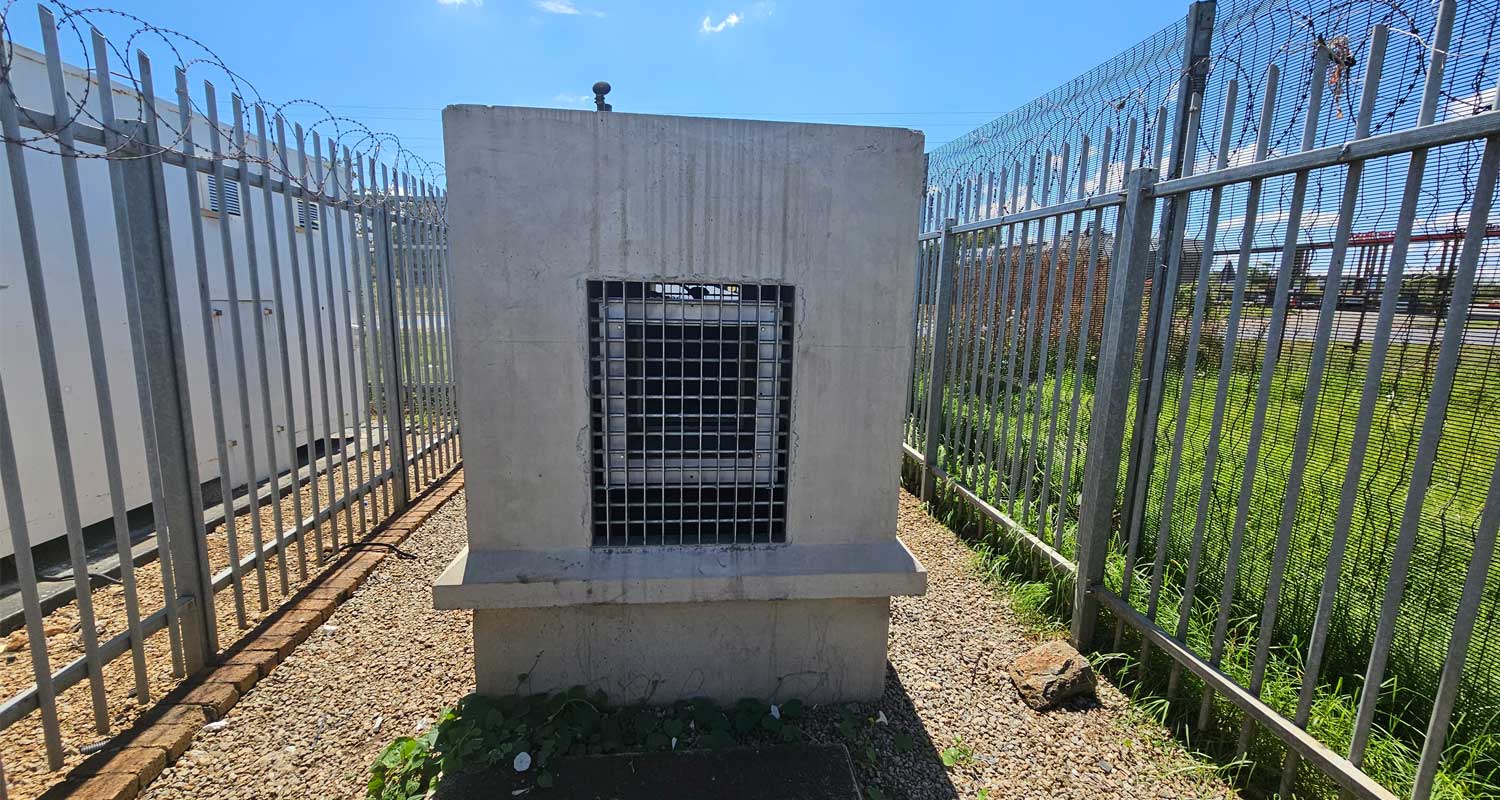
For the technology sector, there is also palpable relief. Mobile operators and data centre operators run diesel generators for backup power, and although South Africa has now gone more than a year without national load shedding, diesel remains a material cost for the tower sites and facilities that keep gensets for redundancy and testing.
Operators reported heavy diesel bills to hold their networks up during the worst of the load shedding years, and a lower price feeds straight into network operating costs – and into the economics of the data centres now being built to carry cloud and AI workloads.
Last-mile delivery fleets and the logistics chains behind online retail also run largely on diesel, so a softer price eases the delivery cost base for everyone from grocery couriers to parcel networks – a modest tailwind in a sector where margins are thin and shipping fees are a competitive battleground.
The relief may be brief. National treasury’s remaining temporary levy relief falls away after June, when the general fuel levy returns to R4.10/l for petrol and R3.93/l for diesel. – © 2026 NewsCentral Media
- Subscribe to TechCentral’s daily newsletter
- Get breaking news alerts on WhatsApp