Close Menu
TechCentralTechCentral

    Subscribe to the newsletter

    Get the best South African technology news and analysis delivered to your e-mail inbox every morning.

    Facebook X (Twitter) YouTube LinkedIn
    WhatsApp Facebook X (Twitter) LinkedIn YouTube
    TechCentralTechCentral
    • News
      iOCO profit jumps 39% as operating cash flow falls 44%

      iOCO profit jumps 39% as operating cash flow falls 44%

      13 October 2026
      Apple takes another shot at the smart home - Apple HomeView

      Apple takes another shot at the smart home

      13 October 2026
      Icasa's R100-million surplus and its empty toolbox

      Icasa’s R100-million surplus and its empty toolbox

      13 October 2026
      Wits researchers build a neural network that runs on light

      Wits researchers build a neural network that runs on light

      13 October 2026
      Sun International CEO Ulrik Bengtsson, who launched the group's responsible gambling charter

      Sun International launches gambling charter as tax fight looms

      13 October 2026
    • World
      AI is now holding up the world economy, says IMF

      AI is now propping up the world economy, says IMF

      12 October 2026
      SpaceX takes aim at US wireless carriers with spectrum acquisition

      Starlink is coming for your mobile operator

      9 October 2026
      The AI PC is finally here. It's just very expensive - Jensen Huang, Satya Nadella

      The AI PC is finally here. It’s just very expensive

      8 October 2026
      The memory crunch is making Samsung fabulously rich

      The memory crunch is making Samsung fabulously rich

      8 October 2026
      SpaceX to borrow $40-billion to buy Nvidia chips

      SpaceX to borrow $40-billion to buy Nvidia chips

      7 October 2026
    • In-depth

      10 days that changed the course of AI

      21 September 2026
      Meta to the AI industry: slow down without us - Mark Zuckerberg

      Meta to the AI industry: slow down without us

      16 September 2026
      Google DeepMind CEO Demis Hassabis. Image: John Sears

      The plan to stop AI from breaking the world

      16 July 2026
      The internet has a Strait of Hormuz problem

      The internet has a Strait of Hormuz problem

      15 July 2026
      AI boom sparks rally, frenzy and fear

      AI boom sparks rally, frenzy and fear

      11 June 2026
    • TCS
      W&W | LDV's Gerhard Moolman on electric bakkies, fleet orders and 'school fees'

      W&W | LDV’s Gerhard Moolman on electric bakkies and fleets

      9 October 2026
      TCS | Frogfoot sees bigger fibre deals coming - TechCentral Show guests Abraham van der Merwe and Shane Chorley

      TCS | Frogfoot sees bigger fibre deals coming

      8 October 2026
      Meet the CIO | Vodacom's Mohamed Sami on the agentic future

      Meet the CIO | Vodacom’s Mohamed Sami on the agentic future

      5 October 2026
      Lexi Novitske, general partner at Norrsken22, on the TechCentral Show

      TCS | Norrsken22’s Lexi Novitske on how China is winning African tech

      1 October 2026
      TCS | Dominic White and Adam Ely on AI agents going rogue

      TCS | Dominic White and Adam Ely on AI agents going rogue

      29 September 2026
    • Opinion
      When a machine can choose, who does it become? Fanie van Rooyen

      When a machine can choose, who does it become?

      9 October 2026
      Let South Africans jailbreak their way to digital sovereignty - Dirk de Vos

      Let South Africans jailbreak their way to digital sovereignty

      5 October 2026
      South Africa's next energy crisis is in the accounts department - Craig Holmes

      South Africa’s next energy crisis is in the accounts department

      29 September 2026
      The steam engine lesson AI doomsayers keep missing - Sam Clarke

      The steam engine lesson AI doomsayers keep missing

      28 September 2026
      Let South Africans jailbreak their way to digital sovereignty - Dirk de Vos

      Regulating AI: apply the laws we have first

      21 September 2026
    • Company News
      • 1Stream
      • Africa Data Centres
      • AfriGIS
      • Altron Digital Business
      • Altron Document Solutions
      • Altron Group
      • Arctic Wolf
      • Ascent Technology
      • AvertITD
      • BBD
      • Braintree
      • CallMiner
      • CambriLearn
      • CM.com
      • Contactable
      • CYBER1 Solutions
      • Digicloud Africa
      • Digimune
      • Domains.co.za
      • ESET
      • Euphoria Telecom
      • HOSTAFRICA
      • Incredible Business
      • iONLINE
      • IQbusiness
      • Iris Network Systems
      • Kaspersky
      • LSD Open
      • Mitel
      • NEC XON
      • Netstar
      • Network Platforms
      • Next DLP
      • Ovations
      • Paracon
      • Paratus
      • Publishared
      • Q-KON
      • SevenC
      • SkyWire
      • Solid8 Technologies
      • Telit Cinterion
      • Telviva
      • Tenable
      • Vertiv
      • Videri Digital
      • Vodacom Business
      • Vox
      • Wipro
      • Workday
      • XLink
    • Sections
      • AI and machine learning
      • Banking
      • Broadcasting and Media
      • Cloud services
      • Contact centres and CX
      • Cryptocurrencies
      • Education and skills
      • Electronics and hardware
      • Energy and sustainability
      • Enterprise software
      • Financial services
      • HealthTech
      • Information security
      • Internet and connectivity
      • Internet of Things
      • Investment
      • IT services
      • Lifestyle
      • Policy and regulation
      • Public sector
      • Retail and e-commerce
      • Satellite communications
      • Science
      • SMEs and start-ups
      • Social media
      • Talent and leadership
      • Telecoms
      • Watts & Wheels
    • Events
    • Advertise
    TechCentralTechCentral
    Home » Sections » Retail and e-commerce » Beyond instinct: how AI is reshaping retail store layouts in South Africa
    Beyond instinct: how AI is reshaping retail store layouts

    Beyond instinct: how AI is reshaping retail store layouts in South Africa

    By Nkosinathi Ndlovu15 May 2025

    Artificial intelligence and data science are playing an ever-increasing role in decisions by retailers of where to place products in their stores to improve sales.

    In years gone by, product positioning was an art practiced by retailers using a combination of data, experience and instinct. Retailers understand their shoppers, the neighbourhood they operate in and the types of households in their catchment area, leading to store layouts that capitalise on the shopping habits of their customers.

    But sophisticated data processing techniques and the growth in AI are turning this artform into more of a science, uncovering insights that are not at all obvious at first glance – even to the seasoned retailer.

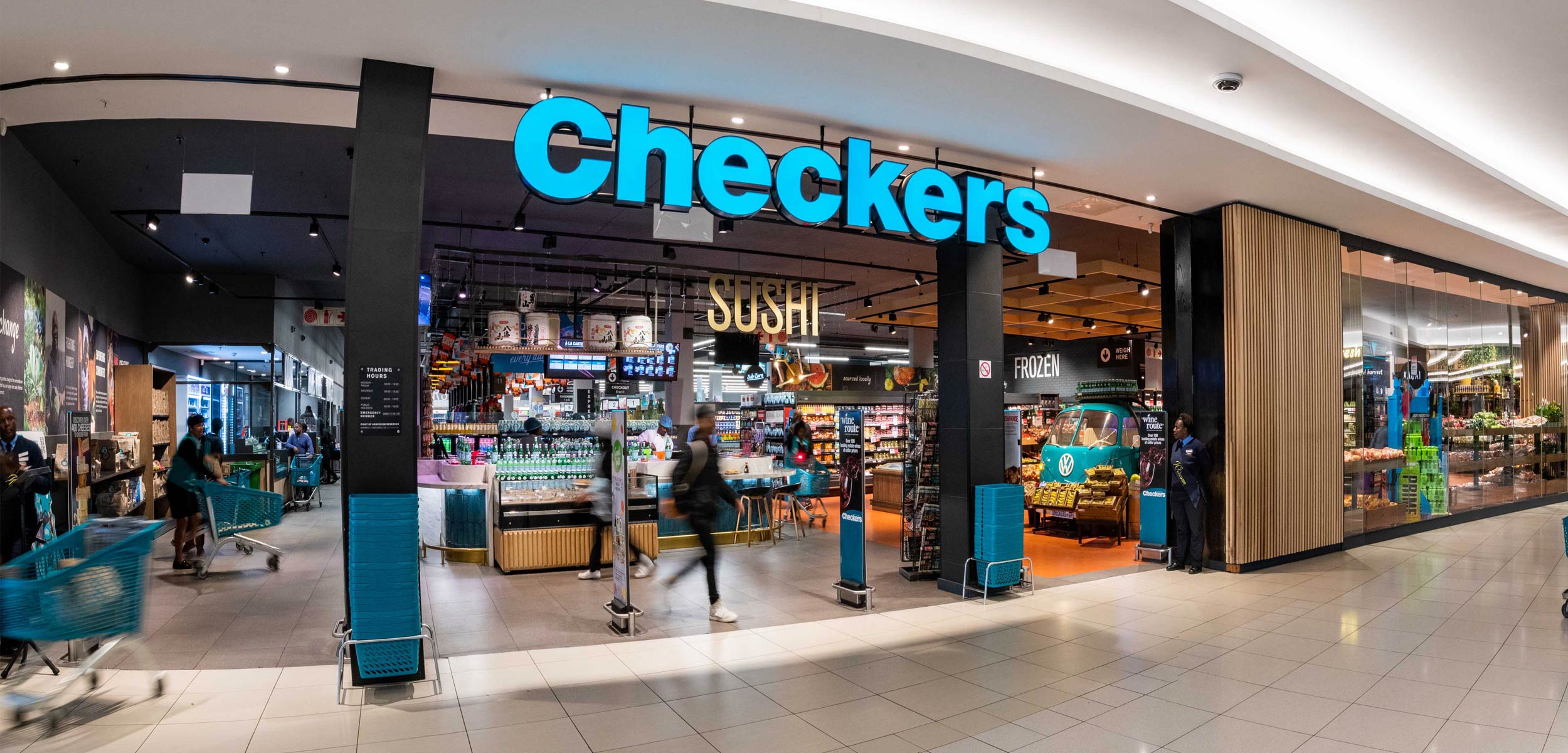
    The core missions a store is meant to serve determines its overall layout, down to the size of its aisles

    “We use data to show us patterns using machine learning and deep learning, which the normal human preconceived bias might not find or be able to see,” said Chris Shortt, chief technology officer of Shoprite Holdings, in a recent interview with TechCentral.

    “When you bring those two things together, you get the art and the science working very nicely together, and that starts to, hopefully, turn into a better shopping experience from the customer’s perspective.”

    Though there are some doubts about the veracity of the story, one of the earliest well-known instances of data processing techniques being used to influence in-store shelving arrangements involves a case study by a now-defunct US retailer called Osco Drug in the 1990s.

    Diapers and beer

    Shopper receipt information put through a data processing algorithm supposedly revealed an interesting correlation between diaper and beer sales. When analysts examined the data, they hypothesised that new fathers were the link, because they would buy beer on a late-night nappy run, often on a Friday. The assumption was that the beer was added either as a reward or because they desired some well-deserved downtime.

    The story goes that the insights were put to the test by putting the nappies as close to beer as possible – next to each other where possible. The result was an increase in the sales of both products.

    But retail stores have tens of isles and thousands of products to choose from, which presents a quandary for store managers: how should they organise their store to optimise sales, and how can they experiment with various arrangements without turning the store into a chaotic environment?

    Read: SA homeowners turn to AI to fight inflated property valuations

    This is where bleeding-edge AI tools shine. According to Shortt, European retailers at the cutting edge of store layout technology are using a combination of IoT, cameras and AI to create digital twins that can be used simulate various store layouts (and their potential outcomes) without having to make any changes to the actual floor plan.

    According to Shortt, although the cost of IoT solutions is falling, the cost still prohibits local retailers from using the technology to its full potential. However, South African retailers have a number of tricks up their sleeve to maximise sales by positioning products effectively. The data analysis influencing these layouts begins even before a store is built, he said.

    “First of all, we apply the science to say, ‘Where we should even put a store?’ There we’ve got geospatial information, consumer catchment area information and, in some cases, we partner to get data around cellphone coverage in the area. There is also data we can tap into publicly around average income and property sizes. All of this comes together from a profile perspective, telling us what mix of people are in a particular catchment area,” said Shortt.

    This broad market data is combined with information about existing competitor outlets in the area to inform the type of store to be built. Shoprite organises shoppers’ behavioural patterns into “missions”, with different types of missions better suited to different types of stores. A cigarette and snacks mission, for example, is better suited to an express outlet, while a month-end family shopping mission is best served by a supermarket like Checkers Hyper.

    Apps like Checkers Sixty60 allow retailers to collect vastly more data about individual spending habits

    The core missions a store is meant to serve determines its overall layout, down to the size of its aisles, determined by the number and size of trolleys expected to be on the floor. The general floor plan remains rather static, but items that are on special are usually placed at eye level where shoppers give most of their attention. Items that are usually bought together, like salad dressing and olives, are placed together, too.

    Shortt said customer receipt data is an important source of shopper habits, telling retailers which items are bought in which quantities at what time of day. Loyalty cards also allow for the tracking of shopper habits over time, giving retailers a more detailed profile of each customer. But physical store settings have gaps in their data-collection capabilities that the burgeoning online shopping phenomenon is far better at covering.

    Curated storefront

    “We know what you bought when you check out, but we don’t really know what you did from the moment you entered the store till you got to the till. Which aisles did you browse in? Which product did you pick up, contemplate and then put back down again?” said Shortt.

    Apps like Checkers Sixty60 allow retailers to collect vastly more data about individual spending habits, allowing them to predict their customers’ needs accurately enough to make recommendations. The virtual “store aisles” in apps are different for each individual, showing them what they like to see with the option to browse other items in “the store” should they choose to.

    Read: The SA start-up using AI to read X-rays – and save lives

    “We want customers to choose us for their missions every time, so the more we personalise or hyper-personalise their experience, the more we develop a segment of one where each customer gets to shop in their own curated storefront,” said Shortt.  – © 2025 NewsCentral Media

    Get breaking news from TechCentral on WhatsApp. Sign up here.

    Don’t miss:

    Discovery turns to AI for ‘hyper-personalised health care’

    Add TechCentral as a preferred source on GoogleFollow TechCentral on Google NewsGet breaking news on WhatsApp


    Chris Shortt Shoprite
    WhatsApp YouTube
    Share. Facebook Twitter LinkedIn WhatsApp Telegram Email Copy Link
    Previous ArticleCompany behind South African-built geyser claims up to 84% energy savings
    Next Article Zoom Fibre’s mission: powering the economy with world-class internet

    Related Posts

    Shoprite ranks cybersecurity as its number one risk - Pieter Engelbrecht

    Shoprite ranks cybersecurity as its number one risk

    9 October 2026
    Shoprite takes on the banking apps with airtime on Sixty60

    Shoprite takes on the banking apps with airtime on Sixty60

    9 October 2026
    Spar2U to get a do-over

    Spar2U to get a do-over

    28 September 2026
    Company News
    The sovereignty paradox: who really controls your data when the rand drops? Cloud on Demand / Microsoft

    The sovereignty paradox: who really controls your data when the rand drops?

    13 October 2026
    Paratus Namibia showcases connectivity solutions at ICT Summit 2026

    Paratus Namibia showcases connectivity solutions at ICT Summit 2026

    13 October 2026
    When every minute counts: how AnyDesk brings technical expertise to the business - Avert IT Distribution

    When every minute counts: how AnyDesk brings technical expertise to the business

    13 October 2026
    Opinion
    When a machine can choose, who does it become? Fanie van Rooyen

    When a machine can choose, who does it become?

    9 October 2026
    Let South Africans jailbreak their way to digital sovereignty - Dirk de Vos

    Let South Africans jailbreak their way to digital sovereignty

    5 October 2026
    South Africa's next energy crisis is in the accounts department - Craig Holmes

    South Africa’s next energy crisis is in the accounts department

    29 September 2026

    Subscribe to Updates

    Get the best South African technology news and analysis delivered to your e-mail inbox every morning.

    Latest Posts
    iOCO profit jumps 39% as operating cash flow falls 44%

    iOCO profit jumps 39% as operating cash flow falls 44%

    13 October 2026
    Apple takes another shot at the smart home - Apple HomeView

    Apple takes another shot at the smart home

    13 October 2026
    Icasa's R100-million surplus and its empty toolbox

    Icasa’s R100-million surplus and its empty toolbox

    13 October 2026
    The sovereignty paradox: who really controls your data when the rand drops? Cloud on Demand / Microsoft

    The sovereignty paradox: who really controls your data when the rand drops?

    13 October 2026
    © 2009 - 2026 NewsCentral Media
    Built and maintained by Chronon
    • Cookie policy (ZA)
    • TechCentral – privacy and Popia

    Type above and press Enter to search. Press Esc to cancel.

    Manage consent

    TechCentral uses cookies to enhance its offerings. Consenting to these technologies allows us to serve you better. Not consenting or withdrawing consent may adversely affect certain features and functions of the website.

    Functional Always active
    The technical storage or access is strictly necessary for the legitimate purpose of enabling the use of a specific service explicitly requested by the subscriber or user, or for the sole purpose of carrying out the transmission of a communication over an electronic communications network.
    Preferences
    The technical storage or access is necessary for the legitimate purpose of storing preferences that are not requested by the subscriber or user.
    Statistics
    The technical storage or access that is used exclusively for statistical purposes. The technical storage or access that is used exclusively for anonymous statistical purposes. Without a subpoena, voluntary compliance on the part of your Internet Service Provider, or additional records from a third party, information stored or retrieved for this purpose alone cannot usually be used to identify you.
    Marketing
    The technical storage or access is required to create user profiles to send advertising, or to track the user on a website or across several websites for similar marketing purposes.
    • Manage options
    • Manage services
    • Manage {vendor_count} vendors
    • Read more about these purposes
    View preferences
    • {title}
    • {title}
    • {title}
    🇿🇦 Sign up to the TechCentral newsletter