
Democrats’ midterm election sweep have sent shares in US tech giants soaring.
Democrats’ midterm election sweep have sent shares in US tech giants soaring.





EXSA, already licensed to trade locally, now wants to move electricity across Southern African borders.

Icasa must rule out private companies storing fingerprints and let operators compete to stop fraud.
MTN won or shared 10 of 16 Opensignal awards to keep its best-network title, though Vodacom leads on 5G speed.

The Weather Service’s computer equipment is obsolete, out of warranty, and spare parts are unavailable, leaving the vital service vulnerable to failure.
Eskom’s average of total unplanned outages over the past seven days has declined to 9.5GW.

Corruption charges against former cabinet minister Zizi Kodwa and former EOH executive Jehan Mackay have been withdrawn.

These are the articles, videos and more that caught the attention of TechCentral’s editorial team in the past 24 hours.
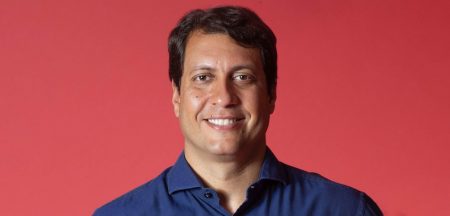
A brief Q&A with Naspers CEO Fabricio Bloisi on India, AI, lessons from Elon Musk and why Europe risks getting left behind.

South Africa’s mobile virtual network operators differ widely in their data pricing, TechCentral research has found.

Despite the recent price crash, bitcoin’s fundamentals are arguably stronger now than any time in its history.

China has rejected as an irresponsible smear a warning from the chief of Nasa that China might “take over” the moon as part of a military programme.
Repeated assurances by the backers of Tether that the token is backed by ample reserves and working smoothly haven’t been enough to reassure markets.

Cryptocurrency companies will need a licence and customer safeguards to issue and sell digital tokens in the European Union.

Government’s radical Electronic Communications Amendment Bill, which seeks to introduce into law many aspects of the controversial national integrated ICT policy white paper, will undermine the industry and lead to poor and inadequate

It was late November and former Intel engineer Thomas Prescher was enjoying beers and burgers with friends in Dresden, Germany when the conversation turned, ominously, to semiconductors. Months earlier, cybersecurity researcher