


Telkom has blamed the dominance of Vodacom and MTN as well as “fundamental changes” sweeping South Africa’s telecoms industry for its decision to let go of as many as 3 000 employees.
Telkom has blamed the dominance of Vodacom and MTN as well as “fundamental changes” sweeping South Africa’s telecoms industry for its decision to let go of as many as 3 000 employees.

Extreme weather has delayed the departure of a ship from Cape Town, whose crew has been tasked with fixing two subsea cable breaks that are negatively affecting international connectivity in South Africa.

Both the Wacs and Sat-3/Wasc cables providing international connectivity from South Africa to international markets were knocked out on Thursday, causing slow connections for some consumer and business users.

Telkom shares jumped on Thursday after it emerged on Wednesday evening that the company plans a major retrenchment round that could see up to a fifth of its workforce let go.
It’s turning out to be a bleak start to the new year for employees at the partially state-owned telecommunications operator Telkom, with as many as 3 000 jobs on the line.

The Competition Commission on Monday unveiled surprisingly broad-ranging, tough and radical interventions in the data services market, including a proposal that mobile operators be forced to give South Africans a free allocation of daily data.

Long-serving Telkom executive Alphonzo Samuels will retire at the end of March 2020, the company said on Wednesday.

In its policy paper published this week, national treasury devoted considerable space to the telecommunications sector. Though many of the proposals make sense, an anachronism stuck out. By Duncan McLeod.
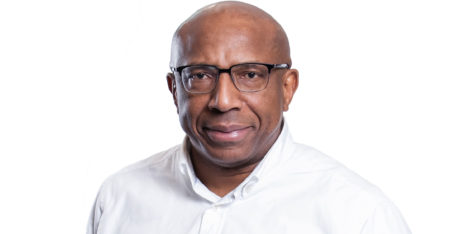
Telkom CEO Sipho Maseko earned total remuneration of R23.2-million in the 2019 financial year, down from R27.2-million in 2018, mainly as a result of fewer shares that vested to him in the period.

Analysts have long criticised Telkom since its entry into the mobile market in October 2010, which hasn’t come cheap. But it’s become the company’s saving grace.