Amazon.com will acquire Globalstar in a US$11.6-billion deal, bolstering its fledgling satellite business as it tries to catch up with Elon Musk’s Starlink.
Tech companies are pouring billions of dollars into capturing the lucrative market for satellite-based connectivity, but it will be a tall order to match Starlink’s 10 000-unit-strong network. Through the deal, Amazon adds Globalstar’s two dozen satellites to its existing network of more than 200.
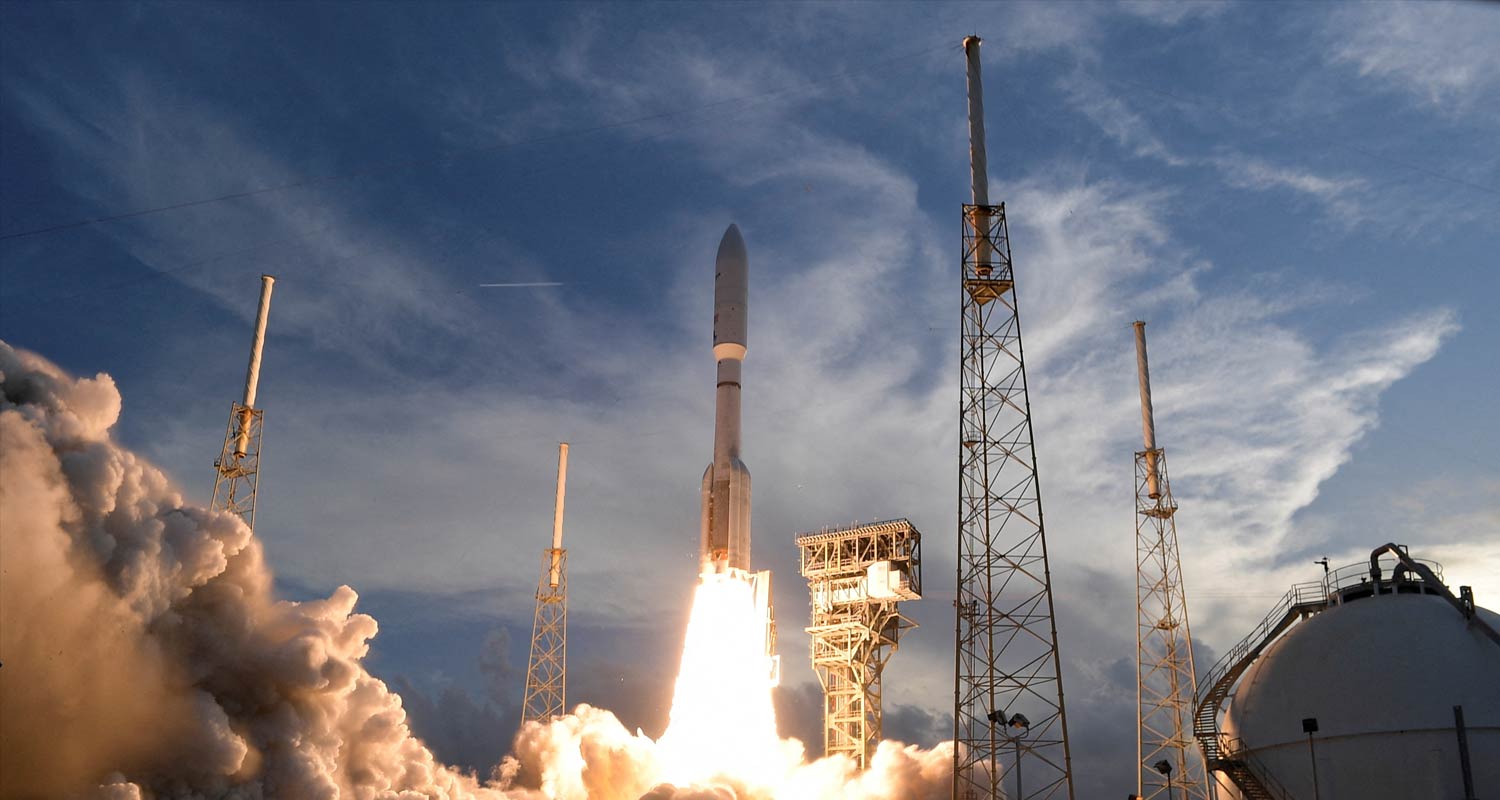
Amazon has been working to ramp up its network by deploying about 3 200 satellites in Earth’s low orbit by 2029, with roughly half required to be in place by a July regulatory deadline. It is also preparing to roll out its satellite internet services later this year.
Globalstar’s satellite network is designed for reliable, low-data connections directly to mobile devices, or direct-to-device (D2D). The technology removes the need for devices to connect to ground-based cellular towers, making them crucial in powering emergency services and delivering connectivity in areas with limited cellular coverage.
The deal will help Amazon deploy D2D from 2028, the companies said.
Meanwhile, Starlink already serves more than nine million users globally. The SpaceX unit, which provides high-speed broadband through user terminals, is also developing D2D services through partnerships with telecommunications operators such as T-Mobile.
Direct-to-device deployment
“Amazon has been falling behind Starlink on satellite broadband. Acquiring Globalstar allows them to catch up on their D2D spectrum position, and leap ahead on D2D deployment,” said Armand Musey, president & founder of Summit Ridge Group.
Shares of Louisiana-based Globalstar rose more than 10%, after gaining over 6% in the past two weeks on media reports of deal discussions. Amazon stock rose 3%.
MDA Space, the primary contractor for Globalstar’s next-generation constellation, also jumped 9%.
Read: The satellite war on terrestrial telecoms has already begun
Globalstar currently powers satellite-based safety features such as emergency SOS and Find My for Apple’s iPhone and Apple Watch users. Amazon said that it has signed an agreement with Apple to continue providing those services.
Apple invested about $1.5-billion in Globalstar in 2024 to fund the expansion of its iPhone communication services, in a deal that also gave the tech giant 20% equity in Globalstar.

Globalstar said late last year that a new, Apple-backed network under development would expand its footprint to 54 satellites, including a small number of backups, from the two dozen currently.
Apple did not immediately respond to a query on its current position in Globalstar.
Amazon’s move comes closely on the heels of SpaceX moving forward with its IPO plan.
Musk’s SpaceX has been deploying Starlink satellites at a rapid pace, launching dozens at a time and building the world’s largest satellite constellation. Starlink represents roughly 50-80% of SpaceX’s revenue.
“There has been continued consolidation in the sector in order to compete with SpaceX in the satcom market, given SpaceX’s scale … and virtually unlimited launch capacity. I expect this trend to continue,” said Austin Moeller, director of equity research at Canaccord Genuity.
The Amazon offer represents a premium of more than 31% to Globalstar’s 1 April closing price — the day before reports of deal talks emerged.
Amazon said the total consideration will fluctuate based on its share price changes until the deal closes, adding that Globalstar equity was valued at about $10.8 billion as of 9 April.
Read: Musk hurls expletives at senior SA diplomat in Starlink row
The acquisition is expected to close next year, subject to regulatory approvals and achievement of specific deployment milestones by Globalstar.
The deal will also require approval from the US Federal Communications Commission, the agency’s chair Brendan Carr said in an interview on CNBC, adding the FCC was “very open-minded” to the acquisition. — Deborah Sophia and Akash Sriram, (c) 2026 Reuters
Get breaking news from TechCentral on WhatsApp. Sign up here.