Close Menu
TechCentralTechCentral

    Subscribe to the newsletter

    Get the best South African technology news and analysis delivered to your e-mail inbox every morning.

    Facebook X (Twitter) YouTube LinkedIn
    WhatsApp Facebook X (Twitter) LinkedIn YouTube
    TechCentralTechCentral
    • News
      Digital authoritarianism grows as African states normalise internet blackouts

      Digital authoritarianism grows as African states normalise internet blackouts

      19 December 2025
      Starlink satellite anomaly creates debris in rare orbital mishap

      Starlink satellite anomaly creates debris in rare orbital mishap

      19 December 2025
      TechCentral's South African Newsmakers of 2025

      TechCentral’s South African Newsmakers of 2025

      18 December 2025
      Malatsi buries Post Office's long-dead monopoly

      Malatsi buries Post Office monopoly the market ignored

      18 December 2025
      China races to crack EUV as chip war with the West intensifies

      China races to crack EUV lithography as chip war with the West intensifies

      18 December 2025
    • World
      Trump space order puts the moon back at centre of US, China rivalry - US President Donald Trump

      Trump space order puts the moon back at centre of US, China rivalry

      19 December 2025
      Warner Bros slams the door on Paramount

      Warner Bros slams the door on Paramount

      17 December 2025
      X moves to block bid to revive Twitter brand

      X moves to block bid to revive Twitter brand

      17 December 2025
      Oracle’s AI ambitions face scrutiny on earnings miss

      Oracle’s AI ambitions face scrutiny on earnings miss

      11 December 2025
      China will get Nvidia H200 chips - but not without paying Washington first

      China will get Nvidia H200 chips – but not without paying Washington first

      9 December 2025
    • In-depth
      Black Friday goes digital in South Africa as online spending surges to record high

      Black Friday goes digital in South Africa as online spending surges to record high

      4 December 2025
      Canal+ plays hardball - and DStv viewers feel the pain

      Canal+ plays hardball – and DStv viewers feel the pain

      3 December 2025
      Jensen Huang Nvidia

      So, will China really win the AI race?

      14 November 2025
      Valve's Linux console takes aim at Microsoft's gaming empire

      Valve’s Linux console takes aim at Microsoft’s gaming empire

      13 November 2025
      iOCO's extraordinary comeback plan - Rhys Summerton

      iOCO’s extraordinary comeback plan

      28 October 2025
    • TCS
      TCS+ | Africa's digital transformation - unlocking AI through cloud and culture - Cliff de Wit Accelera Digital Group

      TCS+ | Cloud without culture won’t deliver AI: Accelera’s Cliff de Wit

      12 December 2025
      TCS+ | How Cloud on Demand helps partners thrive in the AWS ecosystem - Odwa Ndyaluvane and Xenia Rhode

      TCS+ | How Cloud On Demand helps partners thrive in the AWS ecosystem

      4 December 2025
      TCS | MTN Group CEO Ralph Mupita on competition, AI and the future of mobile

      TCS | Ralph Mupita on competition, AI and the future of mobile

      28 November 2025
      TCS | Dominic Cull on fixing South Africa's ICT policy bottlenecks

      TCS | Dominic Cull on fixing South Africa’s ICT policy bottlenecks

      21 November 2025
      TCS | BMW CEO Peter van Binsbergen on the future of South Africa's automotive industry

      TCS | BMW CEO Peter van Binsbergen on the future of South Africa’s automotive industry

      6 November 2025
    • Opinion
      Netflix, Warner Bros deal raises fresh headaches for MultiChoice - Duncan McLeod

      Netflix, Warner Bros deal raises fresh headaches for MultiChoice

      5 December 2025
      BIN scans, DDoS and the next cybercrime wave hitting South Africa's banks - Entersekt Gerhard Oosthuizen

      BIN scans, DDoS and the next cybercrime wave hitting South Africa’s banks

      3 December 2025
      Your data, your hardware: the DIY AI revolution is coming - Duncan McLeod

      Your data, your hardware: the DIY AI revolution is coming

      20 November 2025
      Zero Carbon Charge founder Joubert Roux

      The energy revolution South Africa can’t afford to miss

      20 November 2025
      It's time for a new approach to government IT spend in South Africa - Richard Firth

      It’s time for a new approach to government IT spend in South Africa

      19 November 2025
    • Company Hubs
      • Africa Data Centres
      • AfriGIS
      • Altron Digital Business
      • Altron Document Solutions
      • Altron Group
      • Arctic Wolf
      • AvertITD
      • Braintree
      • CallMiner
      • CambriLearn
      • CYBER1 Solutions
      • Digicloud Africa
      • Digimune
      • Domains.co.za
      • ESET
      • Euphoria Telecom
      • Incredible Business
      • iONLINE
      • IQbusiness
      • Iris Network Systems
      • LSD Open
      • NEC XON
      • Netstar
      • Network Platforms
      • Next DLP
      • Ovations
      • Paracon
      • Paratus
      • Q-KON
      • SevenC
      • SkyWire
      • Solid8 Technologies
      • Telit Cinterion
      • Tenable
      • Vertiv
      • Videri Digital
      • Vodacom Business
      • Wipro
      • Workday
      • XLink
    • Sections
      • AI and machine learning
      • Banking
      • Broadcasting and Media
      • Cloud services
      • Contact centres and CX
      • Cryptocurrencies
      • Education and skills
      • Electronics and hardware
      • Energy and sustainability
      • Enterprise software
      • Financial services
      • Information security
      • Internet and connectivity
      • Internet of Things
      • Investment
      • IT services
      • Lifestyle
      • Motoring
      • Public sector
      • Retail and e-commerce
      • Satellite communications
      • Science
      • SMEs and start-ups
      • Social media
      • Talent and leadership
      • Telecoms
    • Events
    • Advertise
    TechCentralTechCentral
    Home » In-depth » Intel, Microsoft rift deepens over chip fiasco

    Intel, Microsoft rift deepens over chip fiasco

    By Agency Staff12 January 2018
    Twitter LinkedIn Facebook WhatsApp Email Telegram Copy Link
    News Alerts
    WhatsApp

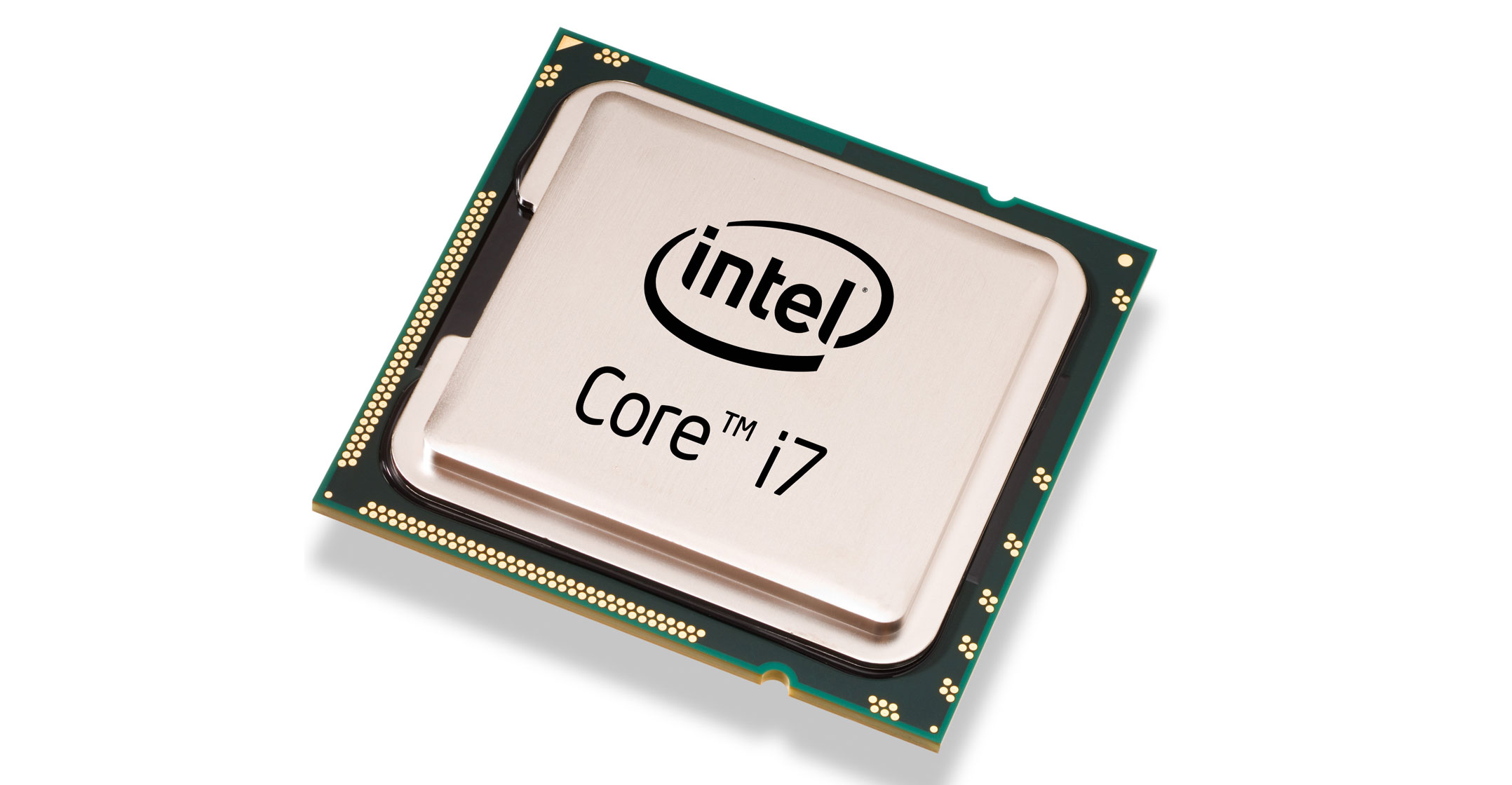
    Recent revelations that millions of Intel’s chips carry a security flaw is putting a deeper strain on the company’s decades-long partnership with Microsoft.

    Dubbed Wintel, the two technology giants worked hand in hand for much of the PC era, with Microsoft building the Windows operating system and Intel making the chips to run it. But as mobile technology began to replace PCs’ prowess, both companies sought new partners and the alliance started to fray.

    News last week of vulnerabilities in Intel’s processors has driven the wedge between the two even further, forcing Microsoft to do much of the work to patch security holes and both disagreeing over the extent of the possible disruptions to customer operations.

    Intel’s public face on this hasn’t been fantastic. It’s a lack of humility. It doesn’t give the impression that they understand the issues that their customers are dealing with

    The incident has brought into focus the computer industry’s utter dependence on Intel, which controls more than 90% of the market for laptop processors and has a near monopoly in server chips. That, too, has implications for Microsoft, which in recent years has become a cloud computing service provider to lessen its reliance on operating systems and business programs. As a big buyer of Intel server chips, Microsoft is also susceptible to fallout from the supplier’s design flaws.

    For most of the six months since Intel made Microsoft aware of the problem, the two worked closely together to try to preempt an industry-wide meltdown. Their efforts, which included other chip makers and companies such as Google, may have headed off widespread security breaches for now. But tensions over the fallout are on public display.

    Intel has been on the defensive and has been criticised by some analysts for trying to deflect responsibility and waffling over how significantly the necessary patches will affect performance.

    “Intel’s public face on this hasn’t been fantastic,” said Jeff Pollard, an analyst at Forrester Research. “It’s a lack of humility. It doesn’t give the impression that they understand the issues that their customers are dealing with.”

    Backed down

    Earlier this week, Intel CEO Brian Krzanich backed down from the company’s initial stance that fixes to the vulnerability wouldn’t result in a performance problem, acknowledging instead that it depended on the workload. He was careful to thank the industry for its cooperation and said so far there have been no reports of successful attempts to exploit a feature that can be used to trick processors into giving up secure data such as passwords and encryption keys.

    The next morning, Microsoft said the security patches it was issuing may cause “significant slowdowns” in some machines. The software maker indicated the problem is likely more pervasive and extensive than Krzanich implied.

    In the last day or so, Intel has since increased the amount of information it’s giving out, detailing test results on older PCs that it says prove they won’t suffer a noticeable slowdown when patched. On Thursday, Krzanich promised more urgency and communication. He said Intel will look for more security issues in hardware and fund research by others to find identify weaknesses.
    Microsoft said its “lengthy and extensive partnership with Intel continues to be an important one. Together with our partners, including Intel and others, we believe in a thriving modern technology ecosystem that is secure and empowers people to be more creative and productive.” Intel declined to comment.

    Since the dawn of the PC age in the early 1980s, Microsoft and Intel have had to make sure their ubiquitous software and hardware worked smoothly together in machines built by others. Now Microsoft services such as Azure and Office 365 are provided over the Internet by server computers that run on Intel chips.

    Microsoft said its Azure cloud service’s users will be largely unaffected by the recent security revelations, mirroring assertions by rivals Google and Amazon Web Services. Microsoft’s corporate server customers might suffer bigger slowdowns in their in-house data centres, however. Such enterprise sales provide about half of Intel’s data centre revenue.

    The wrong way to go about it would be to be reactive, not actively taking customer satisfaction into account

    The carefully crafted public statements only hint at the deeper rift. Intel cautioned against going too far with software techniques to stop processors from accessing data they shouldn’t. If used “too liberally, performance may be significantly compromised”, Intel said, implying slowdowns might be the fault of overzealous coders. It praised Google’s fix while withholding any recommendation for Microsoft’s approach.

    Intel’s response rankled other companies, too. The chip maker initially attempted to portray the vulnerability as an industry-wide issue, saying that “many different vendors’ processors and operating systems” were susceptible to the exploits, and that it was working with AMD, ARM Holdings and others to resolve the issue promptly.

    Any solidarity quickly evaporated. Intel’s main rival, AMD, said initially that its processors are almost entirely safe, although it walked back on that on Thursday, acknowledging that two of the three possible exploits of processors are applicable to its chips. ARM Holdings has said that no more than about 5% of the chips its technology goes into — the key components of smartphones — are at risk.

    Customers

    Intel needs to own the issue to keep its customer base from becoming disgruntled and looking for alternatives.

    “Intel’s level of response will be very critical to determine what the reaction is,” said Joseph Unsworth, an analyst for Gartner. “The wrong way to go about it would be to be reactive, not actively taking customer satisfaction into account.”

    While some of the dynamics have changed, both companies still need each other. Until relevant competitors emerge for Microsoft’s software and Intel’s chips, they will have to find a way to keep working together.

    Intel’s lucrative server division, whose prices have consistently increased, has already provoked some companies to make initial forays into designing their own data centre chips.

    Microsoft started pushing back against Intel’s market power months ago. The Redmond, Washington-based company said last March that it plans to use ARM chip designs in the servers that underpin Azure, the collection of cloud computing services that are the cornerstone of the company’s future.

    When Qualcomm, the biggest maker of mobile phone chips, held an event in November to tout its entry into the server processor business, Microsoft provided two executives to support the effort. It’s also working with Qualcomm on a version of Windows for mobile phone chips that will enable new laptops to run for much longer between battery recharges.

    Microsoft isn’t the only restless customer of Intel’s data centre unit, which sells Xeon processors listed at as much as US$13 000/chip. Amazon has its own experimental chip division. Google has joined an alliance that’s working to try to bring back IBM’s Power chips.

    Microsoft’s tolerance for any weakness in Intel’s response may be shorter than most. Not only does it have to make sure its own hardware is safe but it’s having to push out rapid updates for its Windows operating system and deal with user questions and confusion for most of the world’s PCs. It’s also the one that a decade ago was widely accused of not doing enough to make computers safe.

    “If any one of any of Intel’s customers have the ability to put pressure on them to make changes, you would certainly think Microsoft would be one of them,” said Forrester’s Pollard. “Operating systems went from being the problem a decade ago to being the solution on this. What a crazy reversal in roles for companies like Microsoft. They went from being the vulnerable party to being the party that’s fixing the vulnerability.”  — Reported by Ian King and Dina Bass, (c) 2018 Bloomberg LP



    ARM Holdings Google Intel Microsoft Qualcomm top
    Subscribe to TechCentral Subscribe to TechCentral
    Share. Facebook Twitter LinkedIn WhatsApp Telegram Email Copy Link
    Previous ArticleTalkCentral: Ep 203 – ‘5G beckons’
    Next Article Zuma must obey ANC decisions: Ramaphosa

    Related Posts

    TechCentral's International Newsmakers of 2025

    TechCentral’s International Newsmakers of 2025

    17 December 2025
    OpenAI launches GPT-5.2 after 'code red' push to counter Google. Shelby Tauber/Reuters

    OpenAI launches GPT-5.2 after ‘code red’ push to counter Google

    12 December 2025
    OpenAI warns new models pose high cybersecurity risk

    OpenAI warns new models pose high cybersecurity risk

    11 December 2025
    Company News
    Why TechCentral is the most powerful platform for reaching IT decision makers

    Why TechCentral is the most powerful platform for reaching IT decision makers

    17 December 2025
    Business trends to watch in 2026 - Domains.co.za

    Business trends to watch in 2026

    17 December 2025
    MTN Zambia launches world's first 4G cloud smartphone solution - Huawei

    MTN Zambia launches world’s first 4G cloud smartphone solution

    17 December 2025
    Opinion
    Netflix, Warner Bros deal raises fresh headaches for MultiChoice - Duncan McLeod

    Netflix, Warner Bros deal raises fresh headaches for MultiChoice

    5 December 2025
    BIN scans, DDoS and the next cybercrime wave hitting South Africa's banks - Entersekt Gerhard Oosthuizen

    BIN scans, DDoS and the next cybercrime wave hitting South Africa’s banks

    3 December 2025
    Your data, your hardware: the DIY AI revolution is coming - Duncan McLeod

    Your data, your hardware: the DIY AI revolution is coming

    20 November 2025

    Subscribe to Updates

    Get the best South African technology news and analysis delivered to your e-mail inbox every morning.

    Latest Posts
    Digital authoritarianism grows as African states normalise internet blackouts

    Digital authoritarianism grows as African states normalise internet blackouts

    19 December 2025
    Starlink satellite anomaly creates debris in rare orbital mishap

    Starlink satellite anomaly creates debris in rare orbital mishap

    19 December 2025
    Trump space order puts the moon back at centre of US, China rivalry - US President Donald Trump

    Trump space order puts the moon back at centre of US, China rivalry

    19 December 2025
    TechCentral's South African Newsmakers of 2025

    TechCentral’s South African Newsmakers of 2025

    18 December 2025
    © 2009 - 2025 NewsCentral Media
    • Cookie policy (ZA)
    • TechCentral – privacy and Popia

    Type above and press Enter to search. Press Esc to cancel.

    Manage consent

    TechCentral uses cookies to enhance its offerings. Consenting to these technologies allows us to serve you better. Not consenting or withdrawing consent may adversely affect certain features and functions of the website.

    Functional Always active
    The technical storage or access is strictly necessary for the legitimate purpose of enabling the use of a specific service explicitly requested by the subscriber or user, or for the sole purpose of carrying out the transmission of a communication over an electronic communications network.
    Preferences
    The technical storage or access is necessary for the legitimate purpose of storing preferences that are not requested by the subscriber or user.
    Statistics
    The technical storage or access that is used exclusively for statistical purposes. The technical storage or access that is used exclusively for anonymous statistical purposes. Without a subpoena, voluntary compliance on the part of your Internet Service Provider, or additional records from a third party, information stored or retrieved for this purpose alone cannot usually be used to identify you.
    Marketing
    The technical storage or access is required to create user profiles to send advertising, or to track the user on a website or across several websites for similar marketing purposes.
    • Manage options
    • Manage services
    • Manage {vendor_count} vendors
    • Read more about these purposes
    View preferences
    • {title}
    • {title}
    • {title}