Close Menu
TechCentralTechCentral

    Subscribe to the newsletter

    Get the best South African technology news and analysis delivered to your e-mail inbox every morning.

    Facebook X (Twitter) YouTube LinkedIn
    WhatsApp Facebook X (Twitter) LinkedIn YouTube
    TechCentralTechCentral
    • News
      South Africa's AI policy is a bureaucrat's dream - Solly Malatsi

      South Africa’s draft AI policy is a bureaucrat’s dream

      10 April 2026
      Big Tech is going nuclear

      Big Tech is going nuclear

      10 April 2026
      5G expected to reshape South Africa's wireless broadband market

      5G expected to reshape South Africa’s wireless broadband market

      10 April 2026
      Warning that South Africa's digital competitiveness is in retreat

      Warning that South Africa’s digital competitiveness is in retreat

      10 April 2026
      South Africa's biggest banks are lining up behind Optasia - Salvador Anglada

      South Africa’s biggest banks are lining up behind Optasia

      10 April 2026
    • World
      Anthropic mulls building its own AI chips

      Anthropic mulls building its own AI chips

      10 April 2026
      DeepSeek V4 to run on Huawei silicon as China builds its own AI stack

      DeepSeek V4 to run on Huawei silicon as China builds its own AI stack

      4 April 2026
      Amazon in talks to buy satellite operator Globalstar

      Amazon in talks to buy satellite operator Globalstar

      2 April 2026

      Apple plans to open Siri to rival AI services

      27 March 2026
      It's official: ads are coming to ChatGPT

      It’s official: ads are coming to ChatGPT

      23 March 2026
    • In-depth
      Africa switches on as Europe dims the lights

      Africa switches on as Europe dims the lights

      9 April 2026
      The biggest untapped EV market on Earth is hiding in plain sight

      The biggest untapped EV market on Earth is hiding in plain sight

      1 April 2026
      The R18-billion tech giant hiding in plain sight - Jens Montanana

      The R16-billion tech giant hiding in plain sight

      26 March 2026
      The last generation of coders

      The last generation of coders

      18 February 2026
      Sentech is in dire straits

      Sentech is in dire straits

      10 February 2026
    • TCS
      TCS+ | Vodacom Business moves to crack the SME tech gap - Andrew Fulton, Sannesh Beharie

      TCS+ | Vodacom Business moves to crack the SME tech gap

      7 April 2026
      TCS | MTN's Divysh Joshi on the strategy behind Pi - Divyesh Joshi

      TCS | MTN’s Divyesh Joshi on the strategy behind Pi

      1 April 2026
      Anoosh Rooplal

      TCS | Anoosh Rooplal on the Post Office’s last stand

      27 March 2026
      Meet the CIO | HealthBridge CTO Anton Fatti on the future of digital health

      Meet the CIO | Healthbridge CTO Anton Fatti on the future of digital health

      23 March 2026
      TCS+ | Arctic Wolf unpacks the evolving threat landscape for SA businesses - Clare Loveridge and Jason Oehley

      TCS+ | Arctic Wolf unpacks the evolving threat landscape for SA businesses

      19 March 2026
    • Opinion
      The conflict of interest at the heart of PayShap's slow adoption - Cheslyn Jacobs

      The conflict of interest at the heart of PayShap’s slow adoption

      26 March 2026
      South Africa's energy future hinges on getting wheeling right - Aishah Gire

      South Africa’s energy future hinges on getting wheeling right

      10 March 2026
      Hold the doom: the case for a South African comeback - Duncan McLeod

      Apple just dropped a bomb on the Windows world

      5 March 2026
      R230-million in the bag for Endeavor's third Harvest Fund - Alison Collier

      VC’s centre of gravity is shifting – and South Africa is in the frame

      3 March 2026
      Hold the doom: the case for a South African comeback - Duncan McLeod

      Hold the doom: the case for a South African comeback

      26 February 2026
    • Company Hubs
      • 1Stream
      • Africa Data Centres
      • AfriGIS
      • Altron Digital Business
      • Altron Document Solutions
      • Altron Group
      • Arctic Wolf
      • Ascent Technology
      • AvertITD
      • BBD
      • Braintree
      • CallMiner
      • CambriLearn
      • CYBER1 Solutions
      • Digicloud Africa
      • Digimune
      • Domains.co.za
      • ESET
      • Euphoria Telecom
      • HOSTAFRICA
      • Incredible Business
      • iONLINE
      • IQbusiness
      • Iris Network Systems
      • Kaspersky
      • LSD Open
      • Mitel
      • NEC XON
      • Netstar
      • Network Platforms
      • Next DLP
      • Ovations
      • Paracon
      • Paratus
      • Q-KON
      • SevenC
      • SkyWire
      • Solid8 Technologies
      • Telit Cinterion
      • Telviva
      • Tenable
      • Vertiv
      • Videri Digital
      • Vodacom Business
      • Wipro
      • Workday
      • XLink
    • Sections
      • AI and machine learning
      • Banking
      • Broadcasting and Media
      • Cloud services
      • Contact centres and CX
      • Cryptocurrencies
      • Education and skills
      • Electronics and hardware
      • Energy and sustainability
      • Enterprise software
      • Financial services
      • HealthTech
      • Information security
      • Internet and connectivity
      • Internet of Things
      • Investment
      • IT services
      • Lifestyle
      • Motoring
      • Policy and regulation
      • Public sector
      • Retail and e-commerce
      • Satellite communications
      • Science
      • SMEs and start-ups
      • Social media
      • Talent and leadership
      • Telecoms
    • Events
    • Advertise
    TechCentralTechCentral
    Home » World » Intel’s sales signal no meltdown from chip flaws

    Intel’s sales signal no meltdown from chip flaws

    By Agency Staff26 January 2018
    Twitter LinkedIn Facebook WhatsApp Email Telegram Copy Link
    News Alerts
    WhatsApp

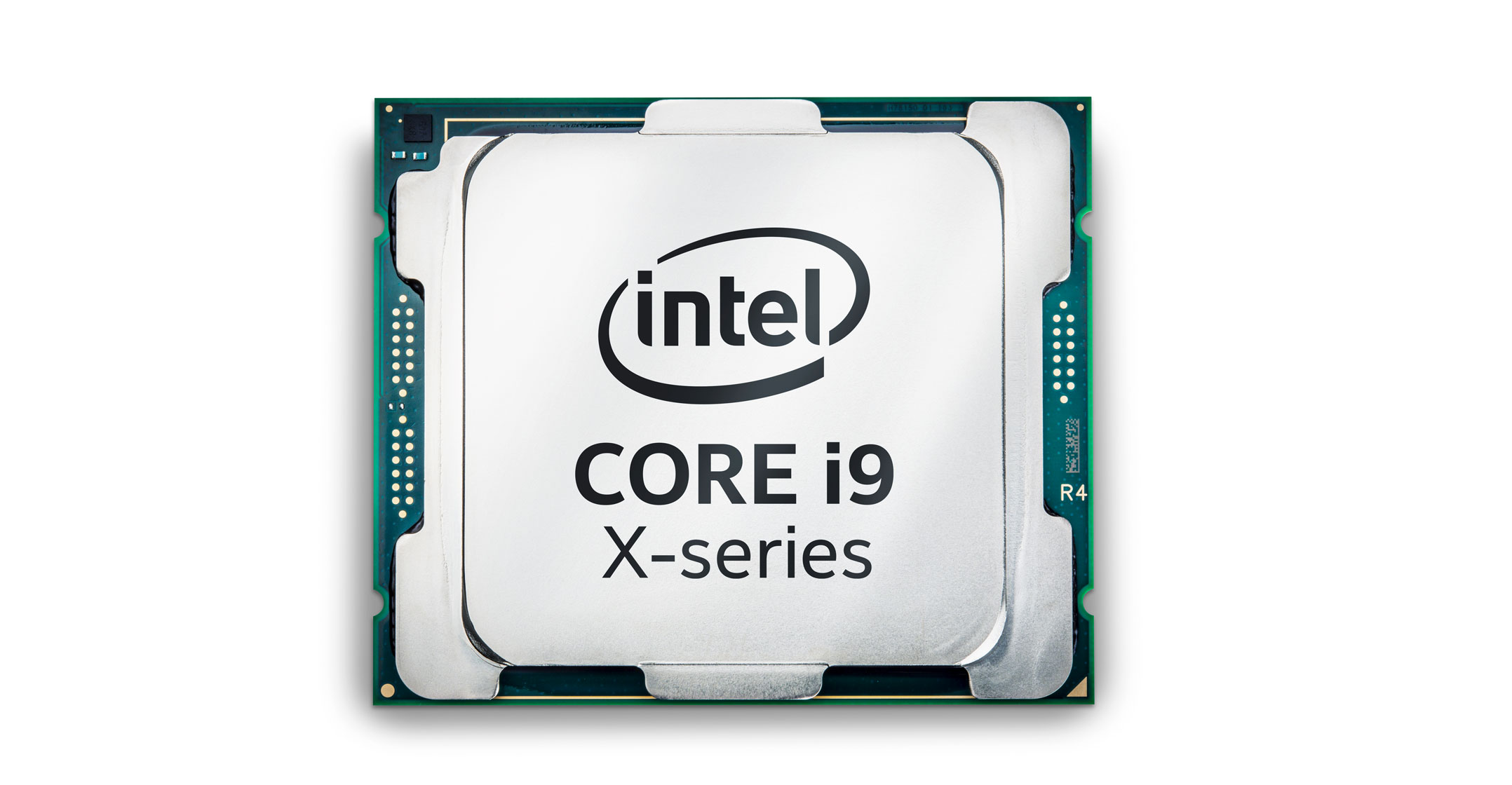
    Intel, whose microprocessors dominate the PC market, gave an upbeat quarterly and annual sales forecast, signalling optimism that demand will persist even as the industry scrambles to fix vulnerabilities in its PC and server chips.

    Sales in the current period will be about US$15bn, plus or minus $500m, and annual revenue will rise to a record $65bn, the company said in a statement late on Thursday. The projections exceed analysts’ estimates.

    CEO Brian Krzanich is trying to remake Intel into a more general provider of chips, expanding into new markets such as self-driving cars and industrial systems. While those efforts helped, it was a 20% sales jump in its data centre chip business that really powered the quarter — and will determine success for the foreseeable future.

    The company may not have generated enough sales to maintain its 25-year run as the world’s largest chip maker. The crown may soon pass to Samsung

    Intel repeated its assertion that chip flaws known as Meltdown and Spectre won’t have a material impact on its finances. Forecasts didn’t budge after the potential exploits were made public in early January. Krzanich said Intel has made progress on patching exposed computer systems, but said he’s “acutely aware that we have more to do”.

    The chip maker’s outlook indicates that corporations are spending on infrastructure, a good sign for earnings reports by companies such as Microsoft, Kim Forrest, an analyst at Fort Pitt Capital Group, which owns Intel shares.

    “They look really good,” she said. “Even the data centre came back.”

    Intel shares gained 3.5% in extended trading following the announcement, after closing in New York at $45.30. The stock rose 27% in 2017, lagging behind the 38% advance in the Philadelphia Stock Exchange Semiconductor Index. The benchmark has outpaced Intel so far this year, too.

    In the fourth quarter, sales climbed 4.3% to $17.1bn, Intel said. The company posted a net loss of $0.15/share because of an income tax expense of $5.4bn, a result of the new US tax law passed last month. Excluding certain items, profit was $1.08/share. On that basis, analysts had projected $0.87 in profit, on revenue of $16.4bn.

    Cloud boom

    Intel chief financial officer Bob Swan said the boost in Intel’s sales and profit in the recent quarter came from a return to spending by corporations on their internal networks. That trend may not continue, he said. Sales to cloud service providers — companies such as Google and Amazon.com — rose 35% in the fourth quarter.

    “We see good demand trends” in the first quarter, Swan said in an interview. “The biggest pleasant surprise was enterprise.”

    After it announced the vulnerabilities on 3 January, Intel said its chips were not faulty — they work as promised — noting that the potential exploits affect all modern processors, not just Intel products. It then accepted more responsibility, apologised and began submitting regular updates on efforts to roll out software patches that close security holes. While there have been no reports of data being stolen via these methods, some of the patches have caused computers to repeatedly reboot or slow down, particularly older machines.

    Intel CEO Brian Krzanich

    Intel’s PC chip unit had fourth quarter sales of $9bn, down 2% from a year earlier. Santa Clara, California-based Intel is facing a revived challenge in the PC market from longtime rival AMD.

    The data centre unit, which sells powerful, expensive chips for machines that run the Internet and corporate networks, had revenue of $5.6bn, up 20%. Intel’s CEO has promised long-term growth in that unit of more than 10%, though gains in recent quarters had fallen short of that target. In the third quarter, data centre division sales rose just 7%.

    Sales of memory chips rose 9%, while revenue from chips for a new range of devices that are gaining the ability to compute and connect, known as the Internet of things, climbed 21%.

    Intel invented the memory market when the company was founded in the late 1960s

    Intel’s renewed commitment to memory chips takes it into direct competition with Samsung Electronics, the only company in the industry with comparable sales and manufacturing resources.

    Intel invented the memory market when the company was founded in the late 1960s. It got out of the business in the early 1990s when competition from Asian companies became too great. This is typically the most volatile part of the chip industry. In some years, producers lose money when supply gluts cause prices to drop. Intel’s latest memory chip foray made money in the fourth quarter, and the company expects it to remain profitable throughout 2018.

    While overall performance has been strong by Intel, there are challenges ahead. For one, the company may not have generated enough sales to maintain its 25-year run as the world’s largest chip maker. The crown may soon pass to Samsung.  — Reported by Ian King, (c) 2018 Bloomberg LP

    Follow TechCentral on Google News Add TechCentral as your preferred source on Google


    AMD Brian Krzanich Intel Samsung top
    WhatsApp YouTube
    Share. Facebook Twitter LinkedIn WhatsApp Telegram Email Copy Link
    Previous ArticleSA can’t afford nuclear power: Ramaphosa
    Next Article PIC buys 25% of ZAR X

    Related Posts

    How consumers can identify a true QLED TV

    How consumers can identify a true QLED TV

    30 March 2026
    Samsung's trifold gamble ends in retreat

    Samsung’s trifold gamble ends in retreat

    17 March 2026
    ASML sets its sights on the next era of AI silicon

    ASML sets its sights on the next era of AI silicon

    2 March 2026
    Company News
    Vertiv AI Innovation Roadshow returns to Africa as virtual event

    Vertiv AI Innovation Roadshow returns to Africa as virtual event

    10 April 2026
    What South African parents look for in an online school - CambriLearn

    What South African parents look for in an online school

    9 April 2026
    Modernising legacy systems - without the downtime - BBD Software

    Modernising legacy systems – without the downtime

    9 April 2026
    Opinion
    The conflict of interest at the heart of PayShap's slow adoption - Cheslyn Jacobs

    The conflict of interest at the heart of PayShap’s slow adoption

    26 March 2026
    South Africa's energy future hinges on getting wheeling right - Aishah Gire

    South Africa’s energy future hinges on getting wheeling right

    10 March 2026
    Hold the doom: the case for a South African comeback - Duncan McLeod

    Apple just dropped a bomb on the Windows world

    5 March 2026

    Subscribe to Updates

    Get the best South African technology news and analysis delivered to your e-mail inbox every morning.

    Latest Posts
    South Africa's AI policy is a bureaucrat's dream - Solly Malatsi

    South Africa’s draft AI policy is a bureaucrat’s dream

    10 April 2026
    Big Tech is going nuclear

    Big Tech is going nuclear

    10 April 2026
    5G expected to reshape South Africa's wireless broadband market

    5G expected to reshape South Africa’s wireless broadband market

    10 April 2026
    Warning that South Africa's digital competitiveness is in retreat

    Warning that South Africa’s digital competitiveness is in retreat

    10 April 2026
    © 2009 - 2026 NewsCentral Media
    • Cookie policy (ZA)
    • TechCentral – privacy and Popia

    Type above and press Enter to search. Press Esc to cancel.

    Manage consent

    TechCentral uses cookies to enhance its offerings. Consenting to these technologies allows us to serve you better. Not consenting or withdrawing consent may adversely affect certain features and functions of the website.

    Functional Always active
    The technical storage or access is strictly necessary for the legitimate purpose of enabling the use of a specific service explicitly requested by the subscriber or user, or for the sole purpose of carrying out the transmission of a communication over an electronic communications network.
    Preferences
    The technical storage or access is necessary for the legitimate purpose of storing preferences that are not requested by the subscriber or user.
    Statistics
    The technical storage or access that is used exclusively for statistical purposes. The technical storage or access that is used exclusively for anonymous statistical purposes. Without a subpoena, voluntary compliance on the part of your Internet Service Provider, or additional records from a third party, information stored or retrieved for this purpose alone cannot usually be used to identify you.
    Marketing
    The technical storage or access is required to create user profiles to send advertising, or to track the user on a website or across several websites for similar marketing purposes.
    • Manage options
    • Manage services
    • Manage {vendor_count} vendors
    • Read more about these purposes
    View preferences
    • {title}
    • {title}
    • {title}