Close Menu
TechCentralTechCentral

    Subscribe to the newsletter

    Get the best South African technology news and analysis delivered to your e-mail inbox every morning.

    Facebook X (Twitter) YouTube LinkedIn
    WhatsApp Facebook X (Twitter) LinkedIn YouTube
    TechCentralTechCentral
    • News
      Vuyani Jarana: Mobile coverage masks a deeper broadband failure

      Vuyani Jarana: Mobile coverage masks a deeper broadband failure

      30 January 2026
      SABC Plus to flight Microsoft AI training videos

      SABC Plus to flight Microsoft AI training videos

      30 January 2026
      Fibre ducts

      Fibre industry consolidation in KZN

      30 January 2026
      Watts & Wheels S1E3: 'BYD's Corolla Cross challenger'

      Watts & Wheels S1E3: ‘BYD’s Corolla Cross challenger’

      30 January 2026
      What ordinary South Africans really think of AI

      What ordinary South Africans really think of AI

      30 January 2026
    • World
      Apple acquires audio AI start-up Q.ai

      Apple acquires audio AI start-up Q.ai

      30 January 2026
      SpaceX IPO may be largest in history

      SpaceX IPO may be largest in history

      28 January 2026
      Nvidia throws AI at the weather

      Nvidia throws AI at weather forecasting

      27 January 2026
      Debate erupts over value of in-flight Wi-Fi

      Debate erupts over value of in-flight Wi-Fi

      26 January 2026
      Intel takes another hit - Intel CEO Lip-Bu Tan. Laure Andrillon/Reuters

      Intel takes another hit

      23 January 2026
    • In-depth
      How liberalisation is rewiring South Africa's power sector

      How liberalisation is rewiring South Africa’s power sector

      21 January 2026
      The top-performing South African tech shares of 2025

      The top-performing South African tech shares of 2025

      12 January 2026
      Digital authoritarianism grows as African states normalise internet blackouts

      Digital authoritarianism grows as African states normalise internet blackouts

      19 December 2025
      TechCentral's South African Newsmakers of 2025

      TechCentral’s South African Newsmakers of 2025

      18 December 2025
      Black Friday goes digital in South Africa as online spending surges to record high

      Black Friday goes digital in South Africa as online spending surges to record high

      4 December 2025
    • TCS
      TCS+ | How Cloud On Demand is helping SA businesses succeed in the cloud - Xhenia Rhode, Dion Kalicharan

      TCS+ | Cloud On Demand and Consnet: inside a real-world AWS partner success story

      30 January 2026
      Watts & Wheels S1E3: 'BYD's Corolla Cross challenger'

      Watts & Wheels S1E2: ‘China attacks, BMW digs in, Toyota’s sublime supercar’

      23 January 2026

      TCS+ | Why cybersecurity is becoming a competitive advantage for SA businesses

      20 January 2026
      Watts & Wheels S1E3: 'BYD's Corolla Cross challenger'

      Watts & Wheels: S1E1 – ‘William, Prince of Wheels’

      8 January 2026
      TCS+ | Africa's digital transformation - unlocking AI through cloud and culture - Cliff de Wit Accelera Digital Group

      TCS+ | Cloud without culture won’t deliver AI: Accelera’s Cliff de Wit

      12 December 2025
    • Opinion
      South Africa's skills advantage is being overlooked at home - Richard Firth

      South Africa’s skills advantage is being overlooked at home

      29 January 2026
      Why Elon Musk's Starlink is a 'hard no' for me - Songezo Zibi

      Why Elon Musk’s Starlink is a ‘hard no’ for me

      26 January 2026
      South Africa's new fibre broadband battle - Duncan McLeod

      South Africa’s new fibre broadband battle

      20 January 2026
      AI moves from pilots to production in South African companies - Nazia Pillay SAP

      AI moves from pilots to production in South African companies

      20 January 2026
      South Africa's new fibre broadband battle - Duncan McLeod

      ANC’s attack on Solly Malatsi shows how BEE dogma trumps economic reality

      14 December 2025
    • Company Hubs
      • Africa Data Centres
      • AfriGIS
      • Altron Digital Business
      • Altron Document Solutions
      • Altron Group
      • Arctic Wolf
      • AvertITD
      • Braintree
      • CallMiner
      • CambriLearn
      • CYBER1 Solutions
      • Digicloud Africa
      • Digimune
      • Domains.co.za
      • ESET
      • Euphoria Telecom
      • Incredible Business
      • iONLINE
      • IQbusiness
      • Iris Network Systems
      • LSD Open
      • NEC XON
      • Netstar
      • Network Platforms
      • Next DLP
      • Ovations
      • Paracon
      • Paratus
      • Q-KON
      • SevenC
      • SkyWire
      • Solid8 Technologies
      • Telit Cinterion
      • Tenable
      • Vertiv
      • Videri Digital
      • Vodacom Business
      • Wipro
      • Workday
      • XLink
    • Sections
      • AI and machine learning
      • Banking
      • Broadcasting and Media
      • Cloud services
      • Contact centres and CX
      • Cryptocurrencies
      • Education and skills
      • Electronics and hardware
      • Energy and sustainability
      • Enterprise software
      • Financial services
      • Information security
      • Internet and connectivity
      • Internet of Things
      • Investment
      • IT services
      • Lifestyle
      • Motoring
      • Public sector
      • Retail and e-commerce
      • Satellite communications
      • Science
      • SMEs and start-ups
      • Social media
      • Talent and leadership
      • Telecoms
    • Events
    • Advertise
    TechCentralTechCentral
    Home » Opinion » Duncan McLeod » Maseko saved Telkom, and helped create a model for SOEs

    Maseko saved Telkom, and helped create a model for SOEs

    By Duncan McLeod25 July 2021
    Twitter LinkedIn Facebook WhatsApp Email Telegram Copy Link
    News Alerts
    WhatsApp
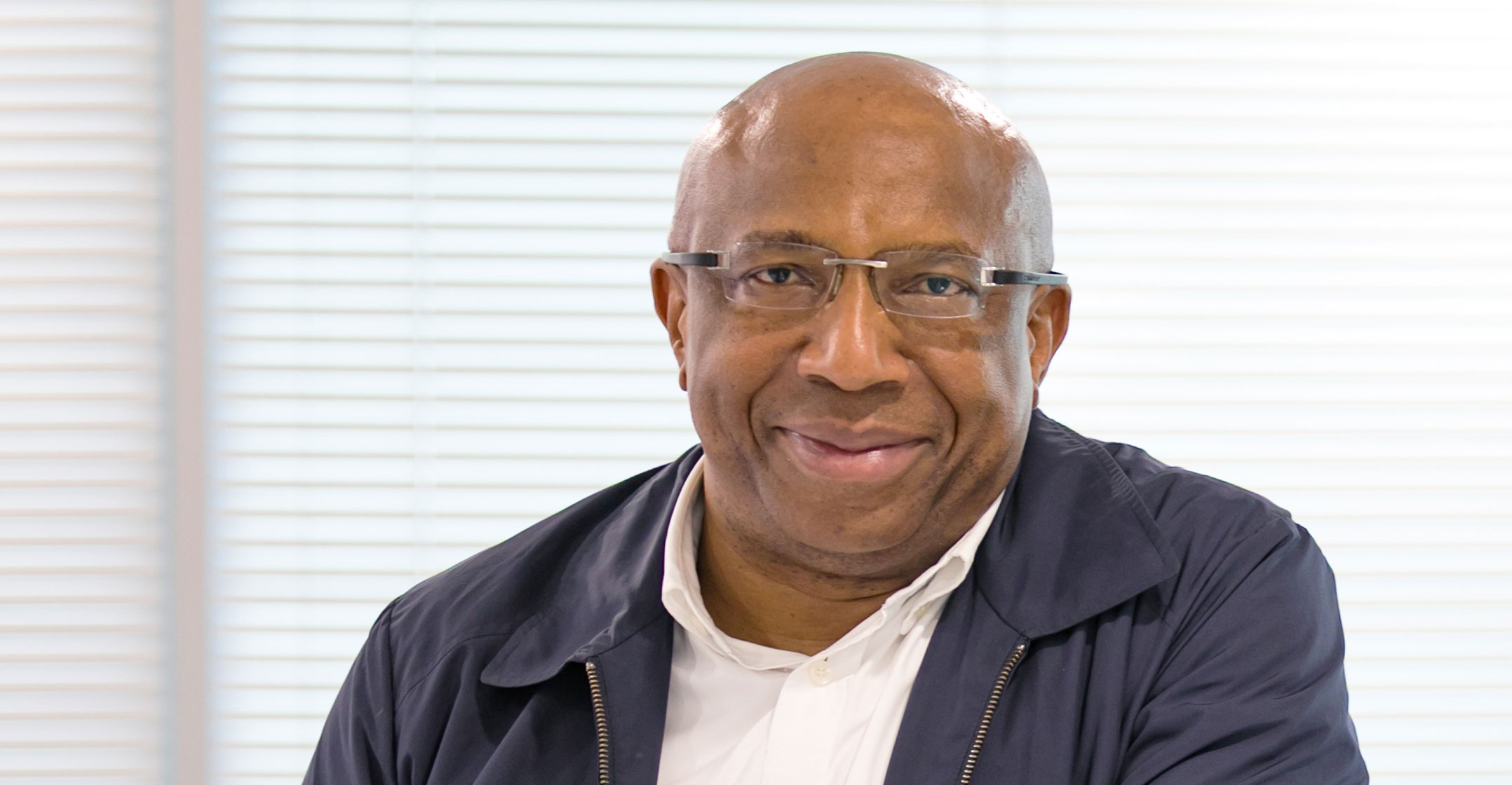
    Sipho Maseko

    Sipho Maseko, who announced last week that he will step down as Telkom CEO next year after nine years in the job, saved the company from impending ruin. That might sound like an overstatement; it’s not.

    When Maseko took the reins in April 2013 (he was poached from a senior role at Vodacom), the partially privatised telecommunications operator was in big trouble. A glance back at its 2013 annual report demonstrates this clearly: Margins were being squeezed, the company was hugely overstaffed (it had about 22 000 employees, more than twice the current complement), it was uncompetitive, it was lumbered with legacy technology and, having sold its 50% stake in Vodacom a few years earlier, it was struggling for relevance in mobile.

    Worse, the company had become a hotbed of turmoil at senior management level, in part due to government interference, a weak board and a non-executive chairman who thought he could do a better job than the CEOs who followed one another in quick succession out the door. In short, the place was a mess – and it was fast going the way of so many other state-owned enterprises.

    Telkom’s balance sheet would have become extremely stretched if the Cell C deal had done ahead, but it might still have made sense

    Except Telkom was different to other SOEs in one key respect: Having been partially privatised by the Mandela administration, and later listed on the JSE by the Mbeki administration, it wasn’t answerable only to government.

    That should have helped shield Telkom’s executive management team from undue interference by the politicians. But government continued to hold a “golden share” that gave it much greater sway over Telkom than its other shareholders. That share, which has thankfully long since expired, led to much of the instability that wracked the company in the late 2000s and early 2010s and eventually sent its share price plummeting to a record low below R10/share at the time that Maseko took the reins.

    Reconstituted

    The board was reconstituted around the same time, with strong non-executive directors like Jabu Mabuza (appointed as chairman) and former Absa directors Louis von Zeuner and Santie Botha brought in to restore stability. Former chairman Jeff Molobela – allegedly the source of much of the instability – was forced off the board, and bold decisions were taken to begin to turn things around, including impairing Telkom’s legacy assets.

    In his letter to shareholders in Telkom’s 2013 annual report, Mabuza set out his immediate priorities: creating a stable and effective board and management team; building a constructive relationship with government as the biggest shareholder and with “other shareholders alike”; and crafting a “compelling strategy” that would allow Telkom to “deliver solid returns and contribute to South Africa’s economy”.

    With Mabuza providing a buffer between management and and the ministry of communications (also hugely unstable at the time, with a steady succession of ministers), Maseko set about identifying and fixing the problems that had beset Telkom, including its mobile business that is today the jewel in its crown as well as its lack of an IT services offering, which ultimately led to the acquisition of Business Connexion (BCX).
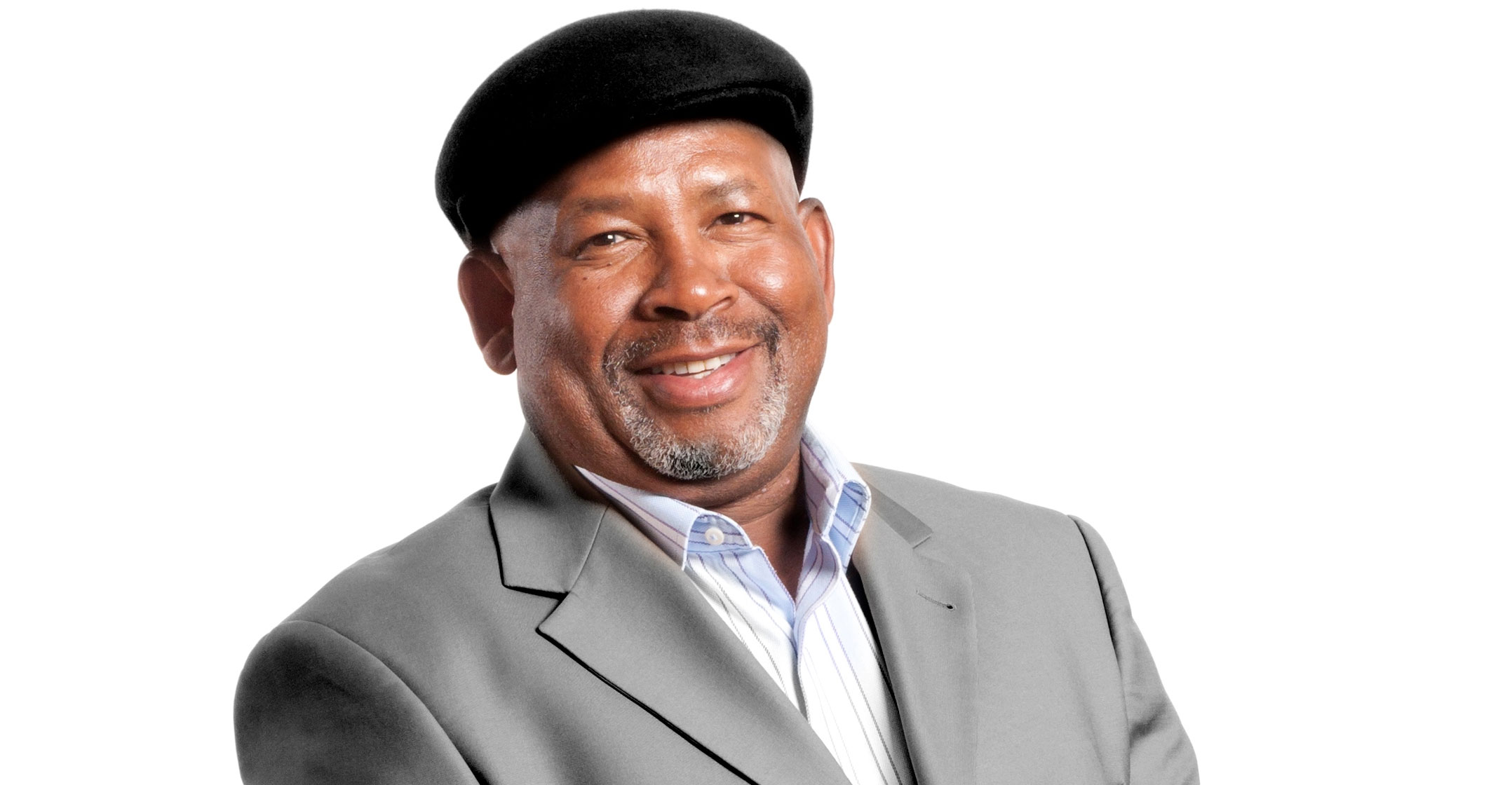
    Former Telkom chairman Jabu Mabuza

    By launching compelling, data-led mobile offerings to a market hungry for them – MTN and Vodacom had sky-high data prices at the time – Telkom was able, over a period of years, to secure significant market share, to the extent that it recently displaced Cell C as the country’s third largest mobile operator. Maseko had wanted to buy Cell C, but no agreement could be reached between the parties (speculation at the time was that Telkom had offered R1, plus taking on Cell C’s mountain of debt). Telkom’s balance sheet would have become extremely stretched if the deal had done ahead, but it might still have have made sense for reasons of economies of scale — though there would likely have been a jobs bloodbath as management moved to extract efficiencies.

    We’ll probably never know what a combination would have led to. What we do know is that Maseko is worried that Telkom does not have the scale of its competitors, MTN and Vodacom, in mobile. That’s why he said Telkom is pushing so hard for changes to Icasa’s upcoming spectrum auction, which is now the subject of out-of-court discussions between the industry (including Telkom) and the communications regulator.

    In IT services, Maseko has had more success. Although Telkom was rebuffed by the competition authorities when it first went knocking on BCX’s door, the company, under Maseko, eventually succeeded with a R2.7-billion cash offer in 2014. BCX has underperformed, though, and has been through several rounds of retrenchments to cut costs. On balance, though, Telkom is probably better off for having done the deal.

    If there’s one blot on Maseko’s record, it’s in fixed lines, where he milked Telkom’s legacy copper infrastructure for too long

    If there’s one blot on Maseko’s record, it’s in fixed lines, where he milked Telkom’s legacy copper infrastructure for too long, allowing nimbler upstarts like Vumatel (now a significant market player) to emerge.

    He spun out Telkom’s wholesale division into Openserve, agreed to a settlement with the Competition Commission over legacy anticompetitive abuses in the Internet market, and set the stage for a more open, competitive and healthy telecoms industry.

    Sat back

    But consumers, hungry for real broadband (not flaky and slow copper-based ADSL), were quickly abandoning Telkom’s fixed-line services in areas where fibre alternatives were being deployed. Instead of seizing the fibre opportunity with both hands, Telkom sat back and watched as Vumatel and others proved the fibre business model can work in South Africa.

    When Telkom, through Openserve, eventually realised it, too, had to invest, or risk losing its fixed-line business entirely, it had already ceded a big chunk of the fibre opportunity. Telkom is now fighting back with aggressively priced products. It’ll secure for itself a meaningful chunk of the market, but it could have transplanted its dominance from the copper era into the fibre era if it had moved with greater haste. That it was caught napping in the early days of the fibre “land grab” has, ultimately, been great for consumers as South Africa now has a robustly competitive fibre infrastructure market. Telkom shareholders, of course, may have a different view.

    On balance, though, Maseko has done a sterling job at Telkom. Against the odds, he “right-sized” the organisation, cutting its bloated workforce in half, corporatising the various divisions such as Openserve and its property and towers portfolio, and setting the stage to unlock significant shareholder value through unbundling. One hopes he’ll get to achieve much of this in the year he has left at Telkom, though one suspects most of this value unlock — if it proceeds — will be left to his successor.
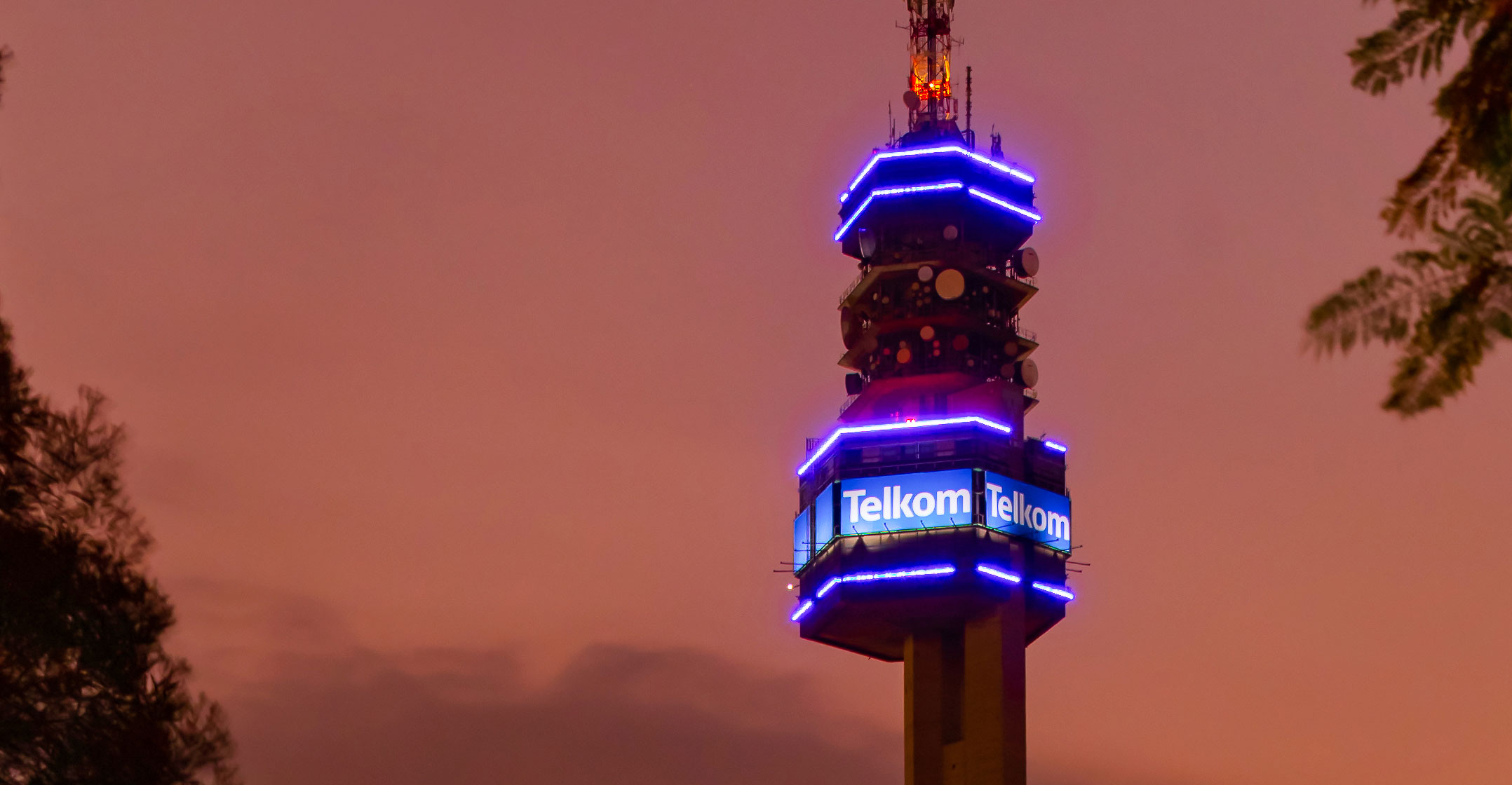
    Whatever one feels about Telkom – and South Africans are never shy to share their views on the company – Maseko has, for the most part, excelled at the job and done right by the company, even if it’s meant shedding thousands of jobs to make it fighting fit.

    I don’t know why he’s stepping down now, and I’m not going to speculate here, but one thing is certain: After nine very successful years at the helm of Telkom, Maseko could walk into just about any top-level job in corporate South Africa. Who knows, perhaps President Cyril Ramaphosa will entice him into a strategic role in his administration — assuming that even appeals to Maseko, which it might not.

    Whoever takes the helm from Maseko at Telkom next year not only has big shoes to fill; they’ll also be inheriting an organisation with a solid foundation for future growth. That is his legacy and he ought to be very proud of it.  — © 2021 NewsCentral Media

    • Duncan McLeod is editor of TechCentral. Find him on Twitter


    BCX Cyril Ramaphosa Icasa Jabu Mabuza Louis von Zeuner MTN Openserve Santie Botha Sipho Maseko Telkom top Vodacom
    WhatsApp YouTube Follow on Google News Add as preferred source on Google
    Share. Facebook Twitter LinkedIn WhatsApp Telegram Email Copy Link
    Previous ArticleBitcoin’s corporate champions face earnings reckoning
    Next Article Free APN migration ensures 50% saving with execMobile’s managed mobile data

    Related Posts

    Vuyani Jarana: Mobile coverage masks a deeper broadband failure

    Vuyani Jarana: Mobile coverage masks a deeper broadband failure

    30 January 2026
    BMW South Africa warns EV policy paralysis is stalling investment - Peter van Binsbergen

    BMW South Africa warns EV policy paralysis is stalling investment

    29 January 2026
    Starlink hype vs reality in South Africa

    Starlink hype vs reality in South Africa

    26 January 2026
    Company News
    Huawei turns 25 in South Africa, celebrates with major device discounts

    Huawei turns 25 in South Africa, celebrates with major device discounts

    30 January 2026
    Phishing has not disappeared, but it has grown up - KnowBe4

    Phishing has not disappeared, but it has grown up

    30 January 2026
    Smartphone affordability: South Africa's new economic divide - PayJoy

    Smartphone affordability: South Africa’s new economic divide

    29 January 2026
    Opinion
    South Africa's skills advantage is being overlooked at home - Richard Firth

    South Africa’s skills advantage is being overlooked at home

    29 January 2026
    Why Elon Musk's Starlink is a 'hard no' for me - Songezo Zibi

    Why Elon Musk’s Starlink is a ‘hard no’ for me

    26 January 2026
    South Africa's new fibre broadband battle - Duncan McLeod

    South Africa’s new fibre broadband battle

    20 January 2026

    Subscribe to Updates

    Get the best South African technology news and analysis delivered to your e-mail inbox every morning.

    Latest Posts
    Vuyani Jarana: Mobile coverage masks a deeper broadband failure

    Vuyani Jarana: Mobile coverage masks a deeper broadband failure

    30 January 2026
    TCS+ | How Cloud On Demand is helping SA businesses succeed in the cloud - Xhenia Rhode, Dion Kalicharan

    TCS+ | Cloud On Demand and Consnet: inside a real-world AWS partner success story

    30 January 2026
    Huawei turns 25 in South Africa, celebrates with major device discounts

    Huawei turns 25 in South Africa, celebrates with major device discounts

    30 January 2026
    SABC Plus to flight Microsoft AI training videos

    SABC Plus to flight Microsoft AI training videos

    30 January 2026
    © 2009 - 2026 NewsCentral Media
    • Cookie policy (ZA)
    • TechCentral – privacy and Popia

    Type above and press Enter to search. Press Esc to cancel.

    Manage consent

    TechCentral uses cookies to enhance its offerings. Consenting to these technologies allows us to serve you better. Not consenting or withdrawing consent may adversely affect certain features and functions of the website.

    Functional Always active
    The technical storage or access is strictly necessary for the legitimate purpose of enabling the use of a specific service explicitly requested by the subscriber or user, or for the sole purpose of carrying out the transmission of a communication over an electronic communications network.
    Preferences
    The technical storage or access is necessary for the legitimate purpose of storing preferences that are not requested by the subscriber or user.
    Statistics
    The technical storage or access that is used exclusively for statistical purposes. The technical storage or access that is used exclusively for anonymous statistical purposes. Without a subpoena, voluntary compliance on the part of your Internet Service Provider, or additional records from a third party, information stored or retrieved for this purpose alone cannot usually be used to identify you.
    Marketing
    The technical storage or access is required to create user profiles to send advertising, or to track the user on a website or across several websites for similar marketing purposes.
    • Manage options
    • Manage services
    • Manage {vendor_count} vendors
    • Read more about these purposes
    View preferences
    • {title}
    • {title}
    • {title}