


Online disinformation and the spread of deceptive political messages are pernicious, but they aren’t necessarily the worst abuse of social networks by governments and political actors.
Online disinformation and the spread of deceptive political messages are pernicious, but they aren’t necessarily the worst abuse of social networks by governments and political actors.

Just 10 years ago, publishing and media accounted for 89% of Naspers’s revenue. Today, 79% of its revenue is derived from e-commerce and Internet businesses – and is growing.

Bitcoin pushed above $7 500 on Monday as the largest cryptocurrency resumed an advance that has carried it to the highest in two months.
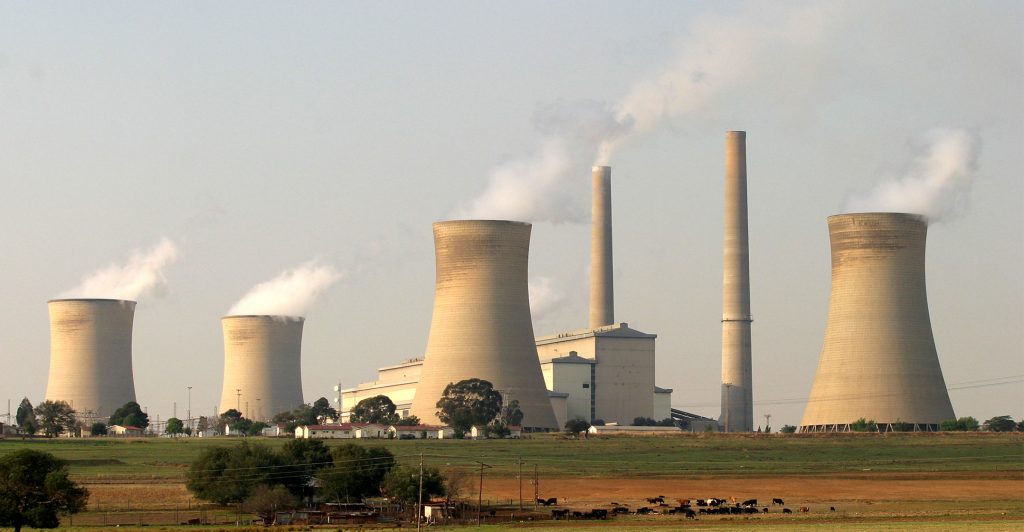
Irregular spending at Eskom has swelled to R19.6-billion as South Africa’s state-owned power utility comes under pressure to restore its credibility and improve its finances.

Taking the right precautions might require a little time and effort but doing so could mean the difference between being a victim of the next major data breach, or not.

The risks of innovations such as artificial intelligence and 3D printing wielded by nimble competitors from Silicon Valley or China are shaking up Germany’s engineering-led economy.

Tencent’s strategy for expanding WeChat Pay globally is pretty straightforward: follow the (tourism) money. It’s a smart strategy. But it’s also decidedly unambitious.

In this episode of TalkCentral, Duncan McLeod and Regardt van der Berg unpack the European Union’s record €4.3-billion fine against Google over Android – is it justified, or is the EU simply interfering in a market that doesn’t need regulating?

European Union competition commissioner Margrethe Vestager coolly hit Google with a €4.3-billion fine last week, the biggest penalty in the history of antitrust enforcement. It didn’t have to be that way.
Bob van Dijk is rolling in the riches. The CEO of Naspers received almost R1.5-billion in salary, bonuses and vested share options and appreciation rights, during the 2018 financial year, which ended on 31 March.