
Close Menu
TechCentralTechCentral

    Subscribe to the newsletter

    Get the best South African technology news and analysis delivered to your e-mail inbox every morning.

    Facebook X (Twitter) YouTube LinkedIn
    WhatsApp Facebook X (Twitter) LinkedIn YouTube
    TechCentralTechCentral
    • News
      The real reason Absa wrote off R2.4-billion in software - Johnson Idesoh

      The real reason Absa wrote off R2.4-billion in software

      27 March 2026
      MTN Group shakes up board with five new directors

      MTN Group shakes up board with five new directors

      27 March 2026
      Anoosh Rooplal

      TCS | Anoosh Rooplal on the Post Office’s last stand

      27 March 2026
      Global crackdown on children's screen time gathers pace

      Global crackdown on children’s screen time gathers pace

      27 March 2026
      Big Tech's Big Tobacco moment has arrived

      Big Tech’s Big Tobacco moment has arrived

      27 March 2026
    • World

      Apple plans to open Siri to rival AI services

      27 March 2026
      It's official: ads are coming to ChatGPT

      It’s official: ads are coming to ChatGPT

      23 March 2026
      Mystery Chinese AI model revealed to be Xiaomi's

      Mystery Chinese AI model revealed to be Xiaomi’s

      19 March 2026
      A mystery AI model has developers buzzing

      A mystery AI model has developers buzzing

      18 March 2026
      Samsung's trifold gamble ends in retreat

      Samsung’s trifold gamble ends in retreat

      17 March 2026
    • In-depth
      The last generation of coders

      The last generation of coders

      18 February 2026
      Sentech is in dire straits

      Sentech is in dire straits

      10 February 2026
      How liberalisation is rewiring South Africa's power sector

      How liberalisation is rewiring South Africa’s power sector

      21 January 2026
      The top-performing South African tech shares of 2025

      The top-performing South African tech shares of 2025

      12 January 2026
      Digital authoritarianism grows as African states normalise internet blackouts

      Digital authoritarianism grows as African states normalise internet blackouts

      19 December 2025
    • TCS
      Meet the CIO | HealthBridge CTO Anton Fatti on the future of digital health

      Meet the CIO | Healthbridge CTO Anton Fatti on the future of digital health

      23 March 2026
      TCS+ | Arctic Wolf unpacks the evolving threat landscape for SA businesses - Clare Loveridge and Jason Oehley

      TCS+ | Arctic Wolf unpacks the evolving threat landscape for SA businesses

      19 March 2026
      TCS+ | Vox Kiwi: a wireless solution promising a fibre-like experience - Theo van Zyl

      TCS+ | Vox Kiwi: a wireless solution promising a fibre-like experience

      13 March 2026
      TCS+ | Flipping the narrative on AI in the Global South - Josefin Rosén

      TCS+ | Flipping the narrative on AI in the Global South

      13 March 2026
      TCS | Sink or swim? Antony Makins on how AI is rewriting the rules of work

      TCS | Sink or swim? Antony Makins on how AI is rewriting the rules of work

      5 March 2026
    • Opinion
      South Africa's energy future hinges on getting wheeling right - Aishah Gire

      South Africa’s energy future hinges on getting wheeling right

      10 March 2026
      Hold the doom: the case for a South African comeback - Duncan McLeod

      Apple just dropped a bomb on the Windows world

      5 March 2026
      VC's centre of gravity is shifting - and South Africa is in the frame - Alison Collier

      VC’s centre of gravity is shifting – and South Africa is in the frame

      3 March 2026
      Hold the doom: the case for a South African comeback - Duncan McLeod

      Hold the doom: the case for a South African comeback

      26 February 2026
      The AI fraud crisis your bank is not ready for - Andries Maritz

      The AI fraud crisis your bank is not ready for

      18 February 2026
    • Company Hubs
      • 1Stream
      • Africa Data Centres
      • AfriGIS
      • Altron Digital Business
      • Altron Document Solutions
      • Altron Group
      • Arctic Wolf
      • Ascent Technology
      • AvertITD
      • Braintree
      • CallMiner
      • CambriLearn
      • CYBER1 Solutions
      • Digicloud Africa
      • Digimune
      • Domains.co.za
      • ESET
      • Euphoria Telecom
      • HOSTAFRICA
      • Incredible Business
      • iONLINE
      • IQbusiness
      • Iris Network Systems
      • LSD Open
      • Mitel
      • NEC XON
      • Netstar
      • Network Platforms
      • Next DLP
      • Ovations
      • Paracon
      • Paratus
      • Q-KON
      • SevenC
      • SkyWire
      • Solid8 Technologies
      • Telit Cinterion
      • Telviva
      • Tenable
      • Vertiv
      • Videri Digital
      • Vodacom Business
      • Wipro
      • Workday
      • XLink
    • Sections
      • AI and machine learning
      • Banking
      • Broadcasting and Media
      • Cloud services
      • Contact centres and CX
      • Cryptocurrencies
      • Education and skills
      • Electronics and hardware
      • Energy and sustainability
      • Enterprise software
      • Financial services
      • HealthTech
      • Information security
      • Internet and connectivity
      • Internet of Things
      • Investment
      • IT services
      • Lifestyle
      • Motoring
      • Policy and regulation
      • Public sector
      • Retail and e-commerce
      • Satellite communications
      • Science
      • SMEs and start-ups
      • Social media
      • Talent and leadership
      • Telecoms
    • Events
    • Advertise
    TechCentralTechCentral
    Home » Sections » Social media » Big Tech crackdown could have unintended victims

    Big Tech crackdown could have unintended victims

    By Agency Staff23 June 2021
    Twitter LinkedIn Facebook WhatsApp Email Telegram Copy Link
    News Alerts
    WhatsApp

    Nigerians angry about their government’s recent banning of Twitter have understandably focused their ire on President Muhammadu Buhari: It was Twitter’s decision to take down his tweet implicitly warning separatists that they could suffer the same violent end as former Biafran rebels that prompted the crackdown.

    But the Nigerian ban should be a warning to US lawmakers and activists, too. Their efforts to rein in US-based social media giants such as Twitter and Facebook risk restricting democratic freedoms worldwide.

    Antipathy toward the big platforms is rising across the US political spectrum. Democrats blame them for allowing misinformation to flourish; Republicans, for allegedly censoring right-wing voices. Both agree they should be cut down to size: The Democratic chair of the US house consumer protection & commerce subcommittee has said “there is a bipartisan agreement that the status quo is just not working”.

    Congress has taken up harsh new bills that are a first step toward using antitrust laws against tech companies

    The US consensus has now begun to equate the tech companies’ attempts to maintain the integrity of their platforms through content management with infringements by powerful corporate monopolies on state power. Congress has taken up harsh new bills that are a first step toward using antitrust laws against tech companies.

    This backlash is a gift to authoritarian governments around the world, who have been looking for a stick with which to beat Twitter and Facebook among others. Illiberal leaders have adopted the language and legal tools being wielded by activists and politicians in the US.

    ‘Very suspect’

    Nigeria’s information minister has complained. “Twitter’s mission in Nigeria is very suspect, they have an agenda.” Russia, which has started choking Twitter’s bandwidth, last week fined Google and Facebook for “banned content”. Moscow also wants to force the companies to open offices in Russia, so executives and employees can be held hostage to an increasingly arbitrary legal system.

    India, meanwhile, reportedly decided last week that Twitter is no longer an “intermediary” but a publisher — and so can be held criminally liable for anything anyone says on it. Police in the northern Indian state of Uttar Pradesh swiftly registered a criminal complaint against Twitter and seven journalists, all of them Muslim.

    The reason? A viral video in which an elderly Muslim man claimed to have been attacked because of his religion. (The state police, which answers to a government run by the Hindu nationalist Bharatiya Janata Party, has insisted that there was “no communal angle” to the assault and that both Hindus and Muslims attacked the man.) In response, India’s information minister said: “What happened in UP was illustrative of Twitter’s arbitrariness in fighting fake news.”
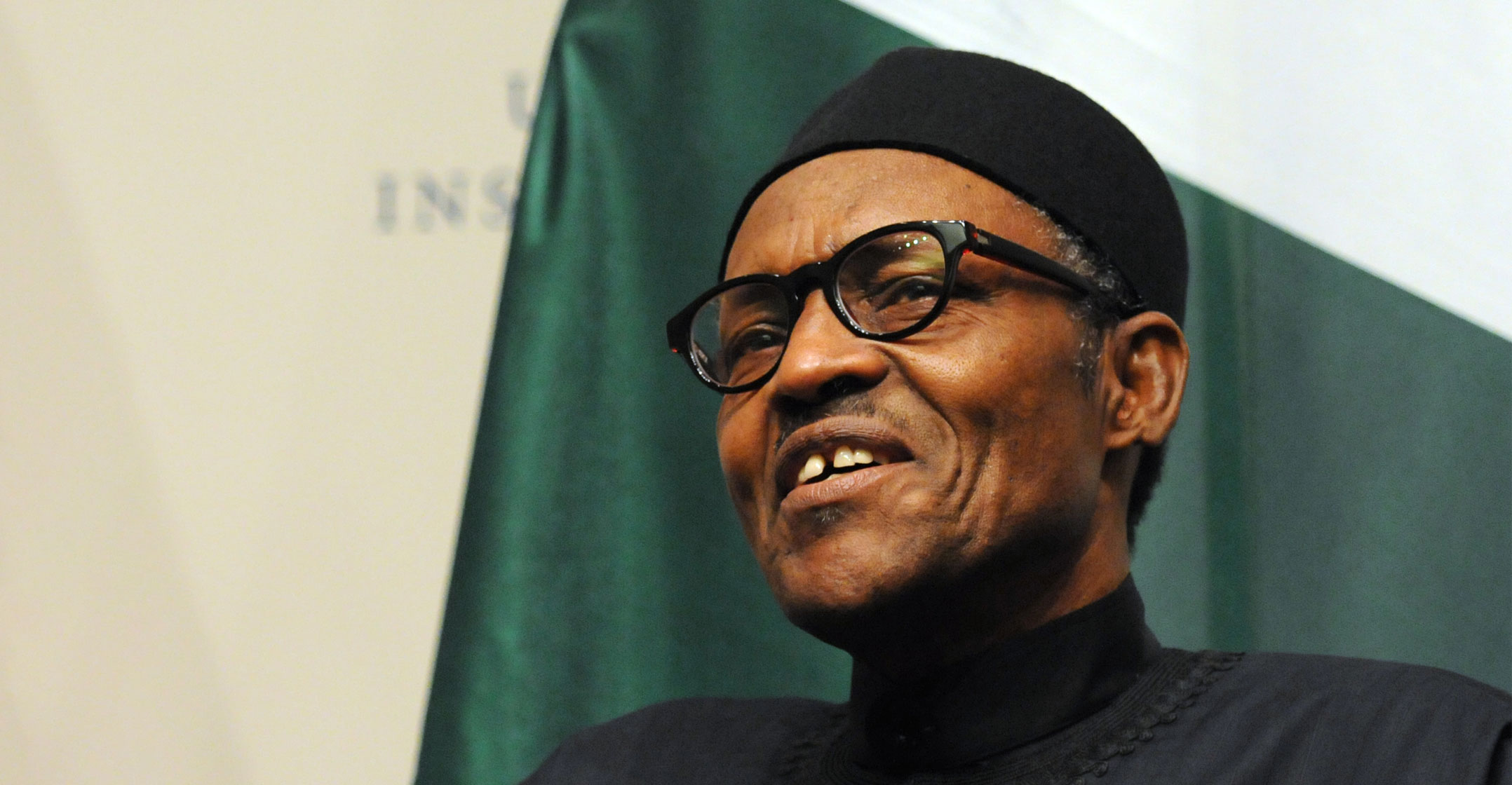
    Muhammadu Buhari … Nigeria’s government banned Twitter after one of the president’s tweets was deleted

    What global authoritarians want is for the big US-based social media networks to fall into line with the rest of the local media — which are already, more or less, subject to state control and intimidation. US action to constrain the tech companies provides those leaders with a toolkit of controls that they can justify internationally. Companies that resist leave themselves open to accusations of hypocrisy if they reject state diktats in the rest of the world but accept them in the US.

    Many struggling activists in backsliding democracies may not be happy at depending upon the faceless bureaucracies of Big Tech to have their voices heard. Yet not one of them would want that power to devolve instead to the functionaries of their own states, most of whom are eager to silence all dissenters. A US that sets out to subordinate social networks to the government only empowers authoritarian leaders that have wanted to do the same for years.

    US activists should take heart in knowing that the state is not the only option for disciplining the social media platforms. Tech companies face another burgeoning check on their power, one some would argue is more trustworthy than any politician: their own workforces.

    Authoritarians won’t stop trying to suppress critics online or off. That doesn’t mean American politicians have to help them

    Facebook, for example, recently had to reorganise its team in India after employees worldwide accused it of being too close to the government. The company’s Israel public policy team, whose head had earlier worked in Benjamin Netanyahu’s office, faced similar accusations last month. Facebook workers fought back, with the New York Times saying “dozens of employees later formed a group to flag the Palestinian content that they said had been suppressed to internal content moderation teams”.

    Authoritarians around the world won’t stop trying to suppress critics online or off. That doesn’t mean American activists and politicians have to help them.  — By Mihir Sharma, (c) 2021 Bloomberg LP

    Follow TechCentral on Google News Add TechCentral as your preferred source on Google


    Facebook Muhammadu Buhari top Twitter
    WhatsApp YouTube
    Share. Facebook Twitter LinkedIn WhatsApp Telegram Email Copy Link
    Previous ArticleProsus appoints global M&A head
    Next Article A crypto exodus from China is looming

    Related Posts

    Jury finds Meta enabled child exploitation

    Jury finds Meta enabled child exploitation

    25 March 2026
    X moves to block bid to revive Twitter brand

    X moves to block bid to revive Twitter brand

    17 December 2025
    Australia has banned kids from social media. Should South Africa follow suit?

    Australia has banned kids from social media. Should South Africa follow suit?

    11 December 2025
    Company News
    Durban's finance leaders are done with AI theatre - Sage Intacct

    Durban’s finance leaders are done with AI theatre

    26 March 2026
    Defend your cloud with Altron Digital Business

    Defend your cloud with Altron Digital Business

    26 March 2026
    Why most Cisco partners leave money on the table at renewal time - Westcon-Comstor

    Why most Cisco partners leave money on the table at renewal time

    25 March 2026
    Opinion
    South Africa's energy future hinges on getting wheeling right - Aishah Gire

    South Africa’s energy future hinges on getting wheeling right

    10 March 2026
    Hold the doom: the case for a South African comeback - Duncan McLeod

    Apple just dropped a bomb on the Windows world

    5 March 2026
    VC's centre of gravity is shifting - and South Africa is in the frame - Alison Collier

    VC’s centre of gravity is shifting – and South Africa is in the frame

    3 March 2026

    Subscribe to Updates

    Get the best South African technology news and analysis delivered to your e-mail inbox every morning.

    Latest Posts
    The real reason Absa wrote off R2.4-billion in software - Johnson Idesoh

    The real reason Absa wrote off R2.4-billion in software

    27 March 2026
    MTN Group shakes up board with five new directors

    MTN Group shakes up board with five new directors

    27 March 2026
    Anoosh Rooplal

    TCS | Anoosh Rooplal on the Post Office’s last stand

    27 March 2026
    Global crackdown on children's screen time gathers pace

    Global crackdown on children’s screen time gathers pace

    27 March 2026
    © 2009 - 2026 NewsCentral Media
    • Cookie policy (ZA)
    • TechCentral – privacy and Popia

    Type above and press Enter to search. Press Esc to cancel.

    Manage consent

    TechCentral uses cookies to enhance its offerings. Consenting to these technologies allows us to serve you better. Not consenting or withdrawing consent may adversely affect certain features and functions of the website.

    Functional Always active
    The technical storage or access is strictly necessary for the legitimate purpose of enabling the use of a specific service explicitly requested by the subscriber or user, or for the sole purpose of carrying out the transmission of a communication over an electronic communications network.
    Preferences
    The technical storage or access is necessary for the legitimate purpose of storing preferences that are not requested by the subscriber or user.
    Statistics
    The technical storage or access that is used exclusively for statistical purposes. The technical storage or access that is used exclusively for anonymous statistical purposes. Without a subpoena, voluntary compliance on the part of your Internet Service Provider, or additional records from a third party, information stored or retrieved for this purpose alone cannot usually be used to identify you.
    Marketing
    The technical storage or access is required to create user profiles to send advertising, or to track the user on a website or across several websites for similar marketing purposes.
    • Manage options
    • Manage services
    • Manage {vendor_count} vendors
    • Read more about these purposes
    View preferences
    • {title}
    • {title}
    • {title}