
Close Menu
TechCentralTechCentral

    Subscribe to the newsletter

    Get the best South African technology news and analysis delivered to your e-mail inbox every morning.

    Facebook X (Twitter) YouTube LinkedIn
    WhatsApp Facebook X (Twitter) LinkedIn YouTube
    TechCentralTechCentral
    • News
      Netflix, Warner Bros talks raise fresh headaches for MultiChoice

      Netflix, Warner Bros talks raise fresh headaches for MultiChoice

      5 December 2025
      Big Microsoft 365 price increases coming next year

      Big Microsoft price increases coming next year

      5 December 2025
      Vodacom to take control of Safaricom in R36-billion deal - Shameel Joosub

      Vodacom to take control of Safaricom in R36-billion deal

      4 December 2025
      Black Friday goes digital in South Africa as online spending surges to record high

      Black Friday goes digital in South Africa as online spending surges to record high

      4 December 2025
      BYD takes direct aim at Toyota with launch of sub-R500 000 Sealion 5 PHEV

      BYD takes direct aim at Toyota with launch of sub-R500 000 Sealion 5 PHEV

      4 December 2025
    • World
      Amazon and Google launch multi-cloud service for faster connectivity

      Amazon and Google launch multi-cloud service for faster connectivity

      1 December 2025
      Google makes final court plea to stop US breakup

      Google makes final court plea to stop US breakup

      21 November 2025
      Bezos unveils monster rocket: New Glenn 9x4 set to dwarf Saturn V

      Bezos unveils monster rocket: New Glenn 9×4 set to dwarf Saturn V

      21 November 2025
      Tech shares turbocharged by Nvidia's stellar earnings

      Tech shares turbocharged by stellar Nvidia earnings

      20 November 2025
      Config file blamed for Cloudflare meltdown that disrupted the web

      Config file blamed for Cloudflare meltdown that disrupted the web

      19 November 2025
    • In-depth
      Jensen Huang Nvidia

      So, will China really win the AI race?

      14 November 2025
      Valve's Linux console takes aim at Microsoft's gaming empire

      Valve’s Linux console takes aim at Microsoft’s gaming empire

      13 November 2025
      iOCO's extraordinary comeback plan - Rhys Summerton

      iOCO’s extraordinary comeback plan

      28 October 2025
      Why smart glasses keep failing - no, it's not the tech - Mark Zuckerberg

      Why smart glasses keep failing – it’s not the tech

      19 October 2025
      BYD to blanket South Africa with megawatt-scale EV charging network - Stella Li

      BYD to blanket South Africa with megawatt-scale EV charging network

      16 October 2025
    • TCS
      TCS+ | How Cloud on Demand helps partners thrive in the AWS ecosystem - Odwa Ndyaluvane and Xenia Rhode

      TCS+ | How Cloud On Demand helps partners thrive in the AWS ecosystem

      4 December 2025
      TCS | MTN Group CEO Ralph Mupita on competition, AI and the future of mobile

      TCS | Ralph Mupita on competition, AI and the future of mobile

      28 November 2025
      TCS | Dominic Cull on fixing South Africa's ICT policy bottlenecks

      TCS | Dominic Cull on fixing South Africa’s ICT policy bottlenecks

      21 November 2025
      TCS | BMW CEO Peter van Binsbergen on the future of South Africa's automotive industry

      TCS | BMW CEO Peter van Binsbergen on the future of South Africa’s automotive industry

      6 November 2025
      TCS | Why Altron is building an AI factory - Bongani Andy Mabaso

      TCS | Why Altron is building an AI factory in Johannesburg

      28 October 2025
    • Opinion
      Your data, your hardware: the DIY AI revolution is coming - Duncan McLeod

      Your data, your hardware: the DIY AI revolution is coming

      20 November 2025
      Zero Carbon Charge founder Joubert Roux

      The energy revolution South Africa can’t afford to miss

      20 November 2025
      It's time for a new approach to government IT spend in South Africa - Richard Firth

      It’s time for a new approach to government IT spend in South Africa

      19 November 2025
      How South Africa's broken Rica system fuels murder and mayhem - Farhad Khan

      How South Africa’s broken Rica system fuels murder and mayhem

      10 November 2025
      South Africa's AI data centre boom risks overloading a fragile grid - Paul Colmer

      South Africa’s AI data centre boom risks overloading a fragile grid

      30 October 2025
    • Company Hubs
      • Africa Data Centres
      • AfriGIS
      • Altron Digital Business
      • Altron Document Solutions
      • Altron Group
      • Arctic Wolf
      • AvertITD
      • Braintree
      • CallMiner
      • CambriLearn
      • CYBER1 Solutions
      • Digicloud Africa
      • Digimune
      • Domains.co.za
      • ESET
      • Euphoria Telecom
      • Incredible Business
      • iONLINE
      • IQbusiness
      • Iris Network Systems
      • LSD Open
      • NEC XON
      • Netstar
      • Network Platforms
      • Next DLP
      • Ovations
      • Paracon
      • Paratus
      • Q-KON
      • SevenC
      • SkyWire
      • Solid8 Technologies
      • Telit Cinterion
      • Tenable
      • Vertiv
      • Videri Digital
      • Vodacom Business
      • Wipro
      • Workday
      • XLink
    • Sections
      • AI and machine learning
      • Banking
      • Broadcasting and Media
      • Cloud services
      • Contact centres and CX
      • Cryptocurrencies
      • Education and skills
      • Electronics and hardware
      • Energy and sustainability
      • Enterprise software
      • Financial services
      • Information security
      • Internet and connectivity
      • Internet of Things
      • Investment
      • IT services
      • Lifestyle
      • Motoring
      • Public sector
      • Retail and e-commerce
      • Satellite communications
      • Science
      • SMEs and start-ups
      • Social media
      • Talent and leadership
      • Telecoms
    • Events
    • Advertise
    TechCentralTechCentral
    Home » Sections » Social media » Facebook, Twitter chart divergent paths in face of Trump threats

    Facebook, Twitter chart divergent paths in face of Trump threats

    By Agency Staff29 May 2020
    Twitter LinkedIn Facebook WhatsApp Email Telegram Copy Link
    News Alerts
    WhatsApp
    Facebook CEO Mark Zuckerberg

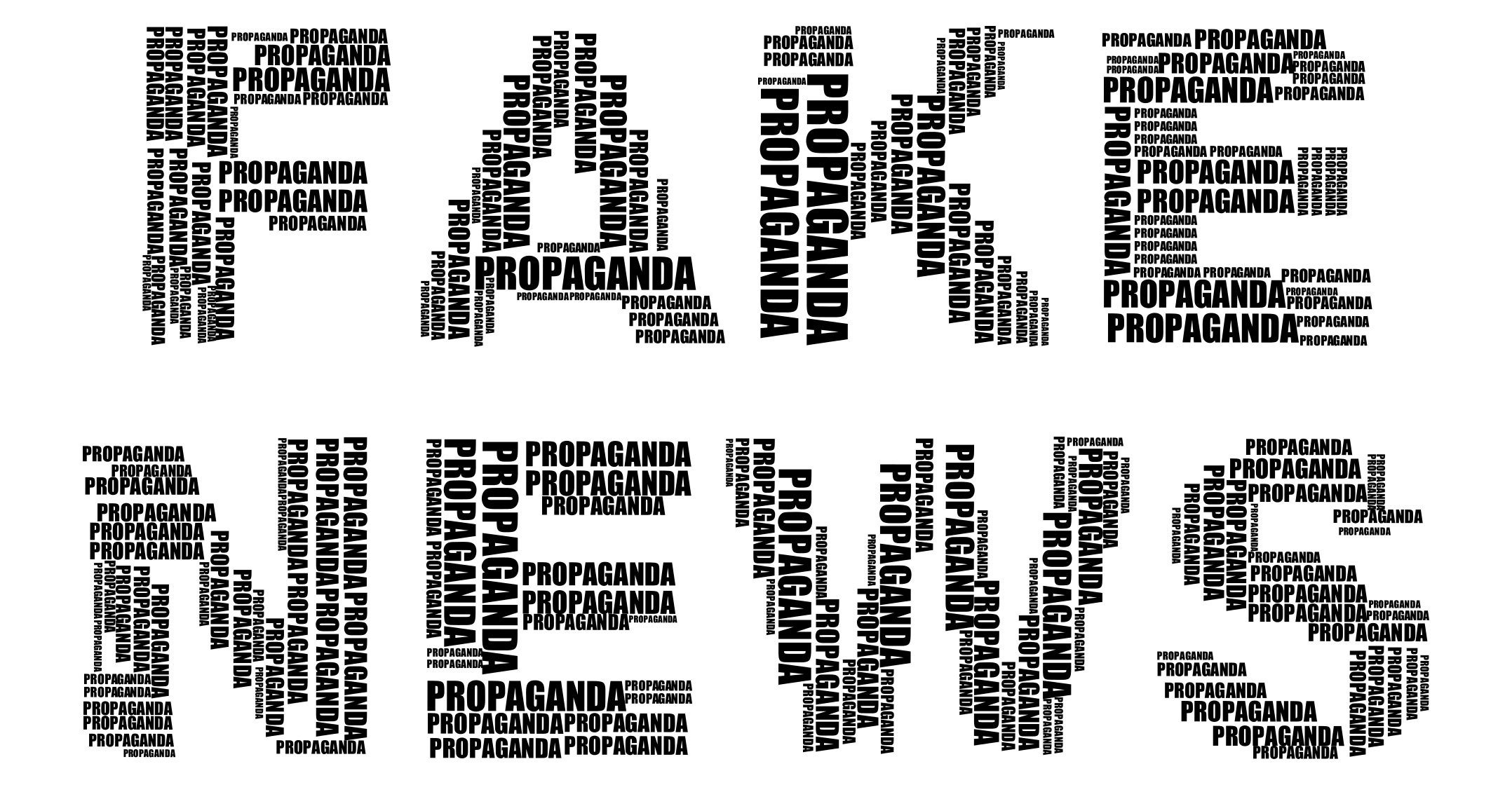
    Twitter and Facebook have both sparked the ire of Donald Trump, but the social networks have taken nearly opposite approaches to politics and the US president.

    While Twitter this week slapped unprecedented fact-checks on presidential tweets, Facebook has adopted a more hands-off strategy, saying it wants to be the online equivalent of the public square, shying away from judging which politicians’ statements are true and which are false.

    In spite of Facebook’s strategy of accommodation, Trump named both companies in an executive order on Thursday aimed at limiting liability protections for users’ posts.

    The fight touched off a national debate over how to protect online political discourse from dangerous or false information

    The two companies have millions of users who can sway public opinion, start social-justice movements and even decide elections, but they diverge sharply on the handling of political speech on their platforms.

    Mark Zuckerberg, co-founder and CEO, is fond of saying that Facebook shouldn’t be “the arbiter of truth”.

    Twitter took a giant step in the opposite direction last year when it banned all political advertising. Its decision to slap fact-checking labels on a couple of Trump’s tweets alleging that mail-in ballots encourage voter fraud so infuriated the president — who tweets to his political base to bypass the mainstream news media and whose campaign relies on both Facebook and Twitter — that he’s now seeking to punish not just Twitter, but all social media platforms with limitations on the liability shield.

    Risks

    The fight touched off a national debate over how to protect online political discourse from dangerous or false information — and raised the question of whether that’s even possible.

    The dispute has illustrated the risks social media companies face when they try to act as referees. They are lambasted if they leave demonstrably false content on their platforms unchallenged. Yet they also face a backlash if they take down content or label it misinformation.

    That Facebook and Twitter are treating political speech differently is likely no accident, considering the vast differences in their business models and policy risks, experts said. In recent years, Facebook has shifted some of its policies to avoid complaints from conservatives that it’s biased. And as it woos important Republicans who have Trump’s ear, it has angered Democrats with some of its policy decisions.
    “There’s a different risk for each company,” said Darrell West, director of the Centre for Technology Innovation at the Brookings Institution. “For Facebook, if they aren’t going to moderate the content, they will become the object of criticism of people who are upset about what appears on the platform,” he said. “The Twitter risk is where to draw the line between freedom of speech and statements that inflame the public or are clearly inaccurate.”

    Facebook’s perceived drift to the right comes as the US justice department investigates the company and other tech giants over possible antitrust issues, pointed out Harold Feld, vice president of the liberal advocacy group Public Knowledge.

    “Facebook now lives in constant fear of an antitrust investigation and relies on the United States to champion its positions abroad in terms of things like taxes on Internet companies and foreign antitrust investigations,” Feld said. “They have a lot of economic incentive to stay in the good graces of the administration and conservative members of congress.”

    Facebook now lives in constant fear of an antitrust investigation and relies on the United States to champion its positions abroad…

    Twitter, by contrast, is a much smaller company and can act without fear of the antitrust hammer. That gives it more wiggle room to take positions that could upset the party in power, and also a motive to distinguish itself from its bigger rivals. “Nobody is going to accuse Twitter of being a dominant social media platform” or of monopolising online advertising, Feld said.

    When asked for comment, Facebook referred to an October speech by Zuckerberg, in which he said: “In a democracy, I believe people should decide what is credible, not tech companies.”

    A Twitter spokeswoman directed Bloomberg to a company blog post that says Twitter’s policies are designed to help users “find facts and make informed decisions about what people see on Twitter”.

    Under fire

    Twitter’s strategy came under fire when the company decided that Trump had made unsubstantiated tweets about mail-in voting on Tuesday. It appended links reading “Get the facts about mail-in ballots”. The labels took readers to a page with a collection of stories and reporters’ tweets about the president’s claims, as well as an item authored by Twitter staff that rebuts Trump, who continued his condemnation of mail-in voting in a tweet on Thursday night.

    It was the first time Twitter had taken action against Trump’s posts, prompting him to accuse the company of suppressing free speech. The White House quickly drafted an executive order that would start a review it hopes will lead to a narrowing of the liability protections social media companies enjoy for posts by third parties.

    Social media companies “will not be able to keep their liability shield” under the order, Trump told reporters at the White House before signing the order. The liability protection is found in section 230 of the 1996 Communications Decency Act.
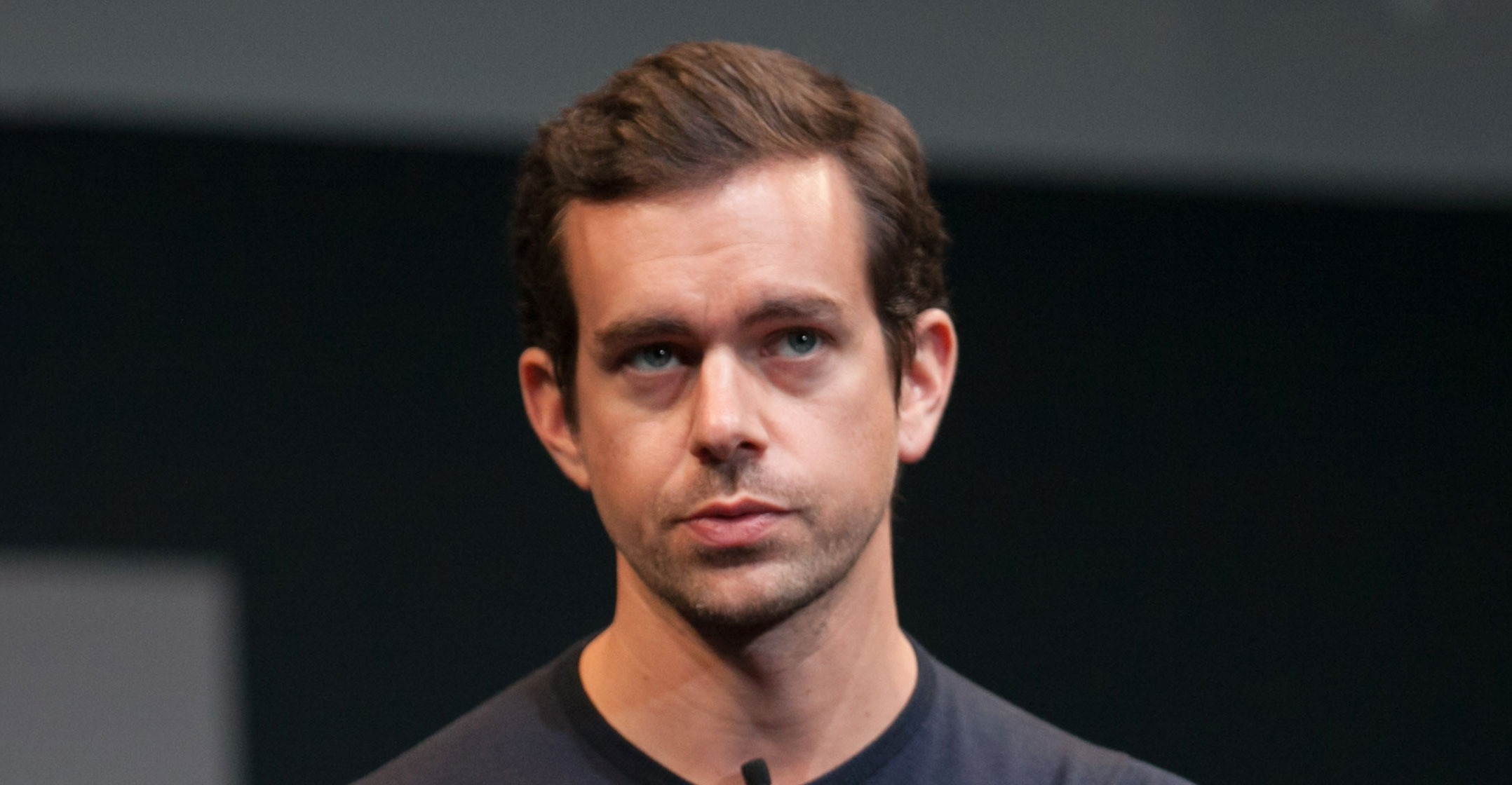
    Twitter CEO Jack Dorsey

    The contretemps — and the threat of losing that cherished legal shield — had Zuckerberg taking to Trump’s favourite news outlet to do damage control. “I just believe strongly that Facebook shouldn’t be the arbiter of truth of everything that people say online,” Zuckerberg said in an interview with Fox News. “Private companies probably shouldn’t be, especially these platform companies, shouldn’t be in the position of doing that,” he said, without naming Twitter.

    Twitter CEO Jack Dorsey responded in kind. He tweeted that his company would continue to point out incorrect or disputed information. “This does not make us an arbiter of truth,” he said, without mentioning Zuckerberg. “Our intention is to connect the dots of conflicting statements and show the information in dispute so people can judge for themselves.”

    Trump used their divergence to put Twitter under more pressure on Thursday evening.

    Facebook will refer users to articles written by third-party fact-checkers when they encounter false information on other topics on its platform

    Under Twitter’s policy, posting misinformation is not against the rules, but the company has added fact-checking links to misleading tweets about voting and the coronavirus. Posting misleading tweets about other topics is still fair game.

    Most recently, Twitter declined to take action against Trump tweets that encouraged an unfounded conspiracy theory about an aide who died in then-representative Joe Scarborough’s office in 2001 even after her husband publicly asked Dorsey to remove the posts.

    Facebook took a different approach. Trump shared the same mail-in ballots post on his Facebook page, but the company said it didn’t violate its standards. Facebook’s policy says it won’t take down false content from politicians except in certain instances, such as posts that spread harmful coronavirus misinformation or encourage voter suppression.

    Free speech

    Facebook will refer users to articles written by third-party fact-checkers when they encounter false information on other topics on its platform.

    Zuckerberg pledged in the October speech that the company would continue to stand up for “free speech” even during controversial circumstances — a position that has won Facebook widespread praise on the right.

    “Mark says we don’t think that any of us, referring to tech companies, should be the arbiters of truth. I mean, I think that makes a lot of sense,” said Klon Kitchen, who leads tech policy at the conservative-leaning Heritage Foundation. “I think that any company, especially on political speech, if they try to make themselves into any kind of standard maker, they’re entering into very deep waters fraught with problems.”
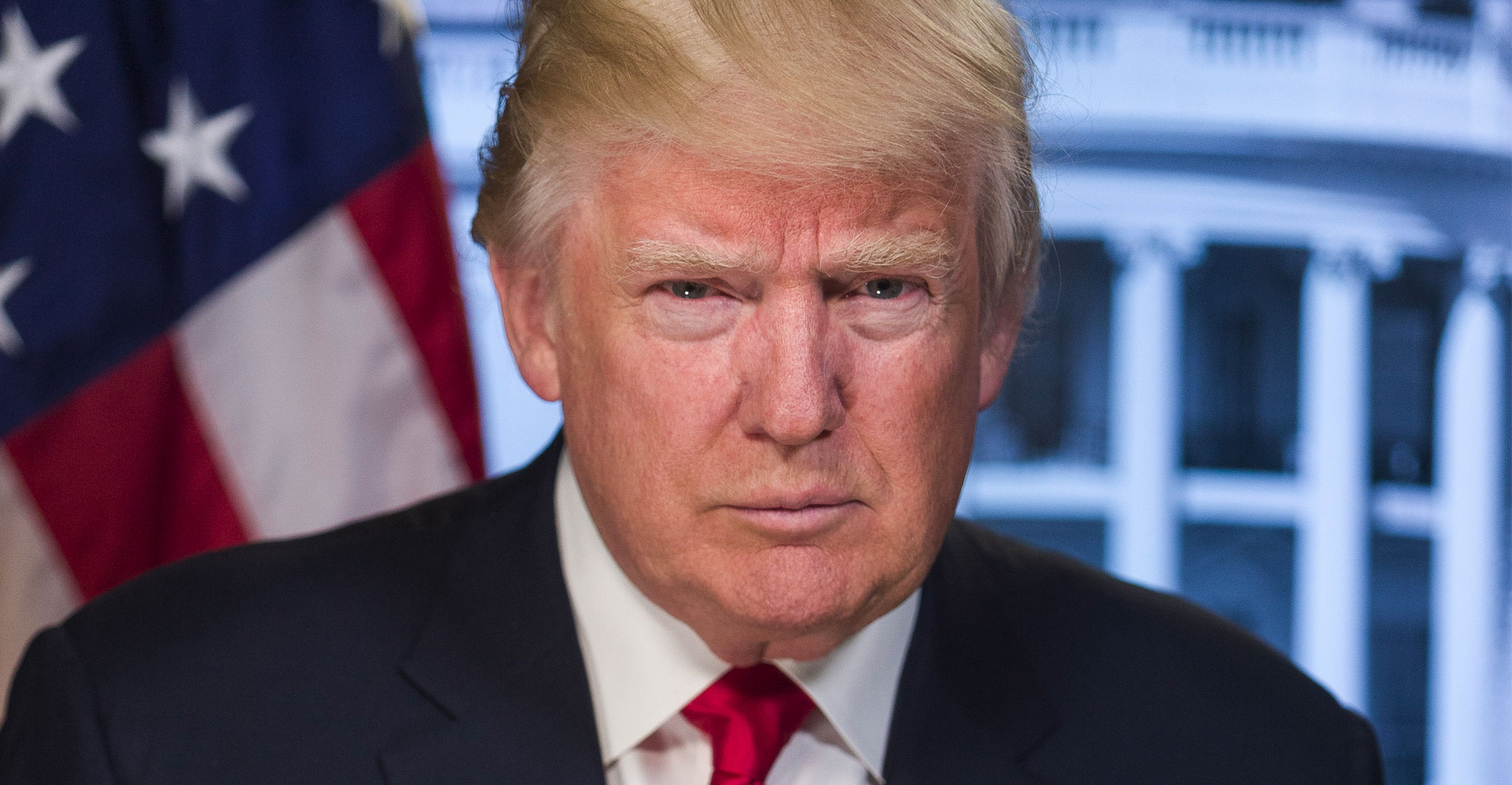
    US President Donald Trump

    Democrats criticised the company last year for failing to take down a manipulated video of house speaker Nancy Pelosi, which showed her slurring her words, suggesting she was impaired during an appearance. Facebook belatedly labelled the video as false, limiting its spread, but the company left up the content.

    “They intend to be accomplices with misleading the American people,” Pelosi told reporters earlier this year. “I think their behaviour is shameful.” Twitter also left up the Pelosi video.

    Facebook’s free-speech stance took wing after the 2016 presidential campaign, according to people familiar with the matter. In 2016, Alex Stamos, then Facebook’s chief security officer, made a presentation about how the company could curb the spread of fake news to Joel Kaplan, Facebook’s vice president of global policy, Erin Egan, its chief privacy officer, and other executives, one of the people said.

    They intend to be accomplices with misleading the American people. I think their behaviour is shameful

    Stamos said the company had the tools to rid the platform of a significant amount of fake news stories based on certain signals, such as when a page was started and how many followers it had, the person said. Kaplan, a former chief of staff to President George W Bush, responded by saying that purging all the fake news would disproportionately hurt conservatives, the person said. The company followed Kaplan’s lead, the person said.

    A Facebook spokesman said Kaplan believed that purging all fake news would disproportionately hurt conservatives and that, without a clear rationale, the company should only remove the worst of the worst.

    Flagged

    While there is little evidence that Facebook, Twitter or Google systematically stifle conservative viewpoints on their platforms, right-leaning groups complain that their posts are more likely to be flagged for violating social media sites’ standards for hate speech or violence when they talk about hot-button social issues such as immigration, religion or sexual orientation.

    Since then, Zuckerberg has come to Washington to meet with Trump and other Republican leaders. Facebook also consults right-leaning groups on how they are designing particular policies, such as hate-speech moderation, misinformation, political ads and changes to how news is displayed on its platform, according to multiple conservative groups.

    The Facebook spokesman said company executives also meet with liberal-leaning groups.  — Reported by Naomi Nix, (c) 2020 Bloomberg LP



    Donald Trump Facebook Jack Dorsey Mark Zuckerberg top Twitter
    Subscribe to TechCentral Subscribe to TechCentral
    Share. Facebook Twitter LinkedIn WhatsApp Telegram Email Copy Link
    Previous ArticleSMEs need a tech upgrade to survive in the Covid-19 economy
    Next Article Level-3 lockdown rules in a nutshell

    Related Posts

    The AI threat to Cape Town's film industry - Julia Finnis-Bedford

    The AI threat to Cape Town’s film industry

    1 December 2025
    Jensen Huang: 'China is going to win the AI race' - Nvidia

    Jensen Huang: ‘China is going to win the AI race’

    6 November 2025
    Trump says China, other countries can't have Nvidia's top AI chips

    Trump says China, other countries can’t have Nvidia’s top AI chips

    3 November 2025
    Company News
    Beat the summer heat with Samsung's WindFree air conditioners

    Beat the summer heat with Samsung’s WindFree air conditioners

    5 December 2025
    AI is not a technology problem - iqbusiness

    AI is not a technology problem – iqbusiness

    5 December 2025
    Telcos are sitting on a data gold mine - but few know what do with it - Phillip du Plessis

    Telcos are sitting on a data gold mine – but few know what do with it

    4 December 2025
    Opinion
    Your data, your hardware: the DIY AI revolution is coming - Duncan McLeod

    Your data, your hardware: the DIY AI revolution is coming

    20 November 2025
    Zero Carbon Charge founder Joubert Roux

    The energy revolution South Africa can’t afford to miss

    20 November 2025
    It's time for a new approach to government IT spend in South Africa - Richard Firth

    It’s time for a new approach to government IT spend in South Africa

    19 November 2025

    Subscribe to Updates

    Get the best South African technology news and analysis delivered to your e-mail inbox every morning.

    Latest Posts
    Beat the summer heat with Samsung's WindFree air conditioners

    Beat the summer heat with Samsung’s WindFree air conditioners

    5 December 2025
    Netflix, Warner Bros talks raise fresh headaches for MultiChoice

    Netflix, Warner Bros talks raise fresh headaches for MultiChoice

    5 December 2025
    Big Microsoft 365 price increases coming next year

    Big Microsoft price increases coming next year

    5 December 2025
    AI is not a technology problem - iqbusiness

    AI is not a technology problem – iqbusiness

    5 December 2025
    © 2009 - 2025 NewsCentral Media
    • Cookie policy (ZA)
    • TechCentral – privacy and Popia

    Type above and press Enter to search. Press Esc to cancel.

    Manage consent

    TechCentral uses cookies to enhance its offerings. Consenting to these technologies allows us to serve you better. Not consenting or withdrawing consent may adversely affect certain features and functions of the website.

    Functional Always active
    The technical storage or access is strictly necessary for the legitimate purpose of enabling the use of a specific service explicitly requested by the subscriber or user, or for the sole purpose of carrying out the transmission of a communication over an electronic communications network.
    Preferences
    The technical storage or access is necessary for the legitimate purpose of storing preferences that are not requested by the subscriber or user.
    Statistics
    The technical storage or access that is used exclusively for statistical purposes. The technical storage or access that is used exclusively for anonymous statistical purposes. Without a subpoena, voluntary compliance on the part of your Internet Service Provider, or additional records from a third party, information stored or retrieved for this purpose alone cannot usually be used to identify you.
    Marketing
    The technical storage or access is required to create user profiles to send advertising, or to track the user on a website or across several websites for similar marketing purposes.
    • Manage options
    • Manage services
    • Manage {vendor_count} vendors
    • Read more about these purposes
    View preferences
    • {title}
    • {title}
    • {title}