Close Menu
TechCentralTechCentral

    Subscribe to the newsletter

    Get the best South African technology news and analysis delivered to your e-mail inbox every morning.

    Facebook X (Twitter) YouTube LinkedIn
    WhatsApp Facebook X (Twitter) LinkedIn YouTube
    TechCentralTechCentral
    • News
      Xneelo breaks ground on second Samrand data centre

      Xneelo breaks ground on second Samrand data centre

      3 February 2026
      Heavyweights backing ZARU, a new rand-based stablecoin in South Africa

      Heavyweights backing ZARU, a new rand-based stablecoin

      3 February 2026
      China's Haier takes aim at Samsung, LG and Hisense in South Africa

      China’s Haier takes aim at Samsung, LG and Hisense in South Africa

      3 February 2026
      South African tech start-ups that sold big on the world stage

      South African tech start-ups that sold big on the world stage

      3 February 2026
      Standard Bank branches are going cashless - Kabelo Makeke

      Standard Bank branches are going cashless

      3 February 2026
    • World
      Apple acquires audio AI start-up Q.ai

      Apple acquires audio AI start-up Q.ai

      30 January 2026
      SpaceX IPO may be largest in history

      SpaceX IPO may be largest in history

      28 January 2026
      Nvidia throws AI at the weather

      Nvidia throws AI at weather forecasting

      27 January 2026
      Debate erupts over value of in-flight Wi-Fi

      Debate erupts over value of in-flight Wi-Fi

      26 January 2026
      Intel takes another hit - Intel CEO Lip-Bu Tan. Laure Andrillon/Reuters

      Intel takes another hit

      23 January 2026
    • In-depth
      How liberalisation is rewiring South Africa's power sector

      How liberalisation is rewiring South Africa’s power sector

      21 January 2026
      The top-performing South African tech shares of 2025

      The top-performing South African tech shares of 2025

      12 January 2026
      Digital authoritarianism grows as African states normalise internet blackouts

      Digital authoritarianism grows as African states normalise internet blackouts

      19 December 2025
      TechCentral's South African Newsmakers of 2025

      TechCentral’s South African Newsmakers of 2025

      18 December 2025
      Black Friday goes digital in South Africa as online spending surges to record high

      Black Friday goes digital in South Africa as online spending surges to record high

      4 December 2025
    • TCS
      TCS+ | How Cloud On Demand is helping SA businesses succeed in the cloud - Xhenia Rhode, Dion Kalicharan

      TCS+ | Cloud On Demand and Consnet: inside a real-world AWS partner success story

      30 January 2026
      Watts & Wheels S1E3: 'BYD's Corolla Cross challenger'

      Watts & Wheels S1E3: ‘BYD’s Corolla Cross challenger’

      30 January 2026
      Watts & Wheels S1E3: 'BYD's Corolla Cross challenger'

      Watts & Wheels S1E2: ‘China attacks, BMW digs in, Toyota’s sublime supercar’

      23 January 2026

      TCS+ | Why cybersecurity is becoming a competitive advantage for SA businesses

      20 January 2026
      Watts & Wheels S1E3: 'BYD's Corolla Cross challenger'

      Watts & Wheels: S1E1 – ‘William, Prince of Wheels’

      8 January 2026
    • Opinion
      South Africa's skills advantage is being overlooked at home - Richard Firth

      South Africa’s skills advantage is being overlooked at home

      29 January 2026
      Why Elon Musk's Starlink is a 'hard no' for me - Songezo Zibi

      Why Elon Musk’s Starlink is a ‘hard no’ for me

      26 January 2026
      South Africa's new fibre broadband battle - Duncan McLeod

      South Africa’s new fibre broadband battle

      20 January 2026
      AI moves from pilots to production in South African companies - Nazia Pillay SAP

      AI moves from pilots to production in South African companies

      20 January 2026
      South Africa's new fibre broadband battle - Duncan McLeod

      ANC’s attack on Solly Malatsi shows how BEE dogma trumps economic reality

      14 December 2025
    • Company Hubs
      • Africa Data Centres
      • AfriGIS
      • Altron Digital Business
      • Altron Document Solutions
      • Altron Group
      • Arctic Wolf
      • AvertITD
      • Braintree
      • CallMiner
      • CambriLearn
      • CYBER1 Solutions
      • Digicloud Africa
      • Digimune
      • Domains.co.za
      • ESET
      • Euphoria Telecom
      • Incredible Business
      • iONLINE
      • IQbusiness
      • Iris Network Systems
      • LSD Open
      • NEC XON
      • Netstar
      • Network Platforms
      • Next DLP
      • Ovations
      • Paracon
      • Paratus
      • Q-KON
      • SevenC
      • SkyWire
      • Solid8 Technologies
      • Telit Cinterion
      • Tenable
      • Vertiv
      • Videri Digital
      • Vodacom Business
      • Wipro
      • Workday
      • XLink
    • Sections
      • AI and machine learning
      • Banking
      • Broadcasting and Media
      • Cloud services
      • Contact centres and CX
      • Cryptocurrencies
      • Education and skills
      • Electronics and hardware
      • Energy and sustainability
      • Enterprise software
      • Financial services
      • Information security
      • Internet and connectivity
      • Internet of Things
      • Investment
      • IT services
      • Lifestyle
      • Motoring
      • Public sector
      • Retail and e-commerce
      • Satellite communications
      • Science
      • SMEs and start-ups
      • Social media
      • Talent and leadership
      • Telecoms
    • Events
    • Advertise
    TechCentralTechCentral
    Home » Sections » Retail and e-commerce » For Google, dominating in Android app stores was ‘existential’

    For Google, dominating in Android app stores was ‘existential’

    Google allegedly devised plans to share app store revenue with Android phone makers to ensure the devices were pre-installed with the Play store.
    By Agency Staff14 November 2023
    Twitter LinkedIn Facebook WhatsApp Email Telegram Copy Link
    News Alerts
    WhatsApp
    Mika Baumeister/Unsplash.com

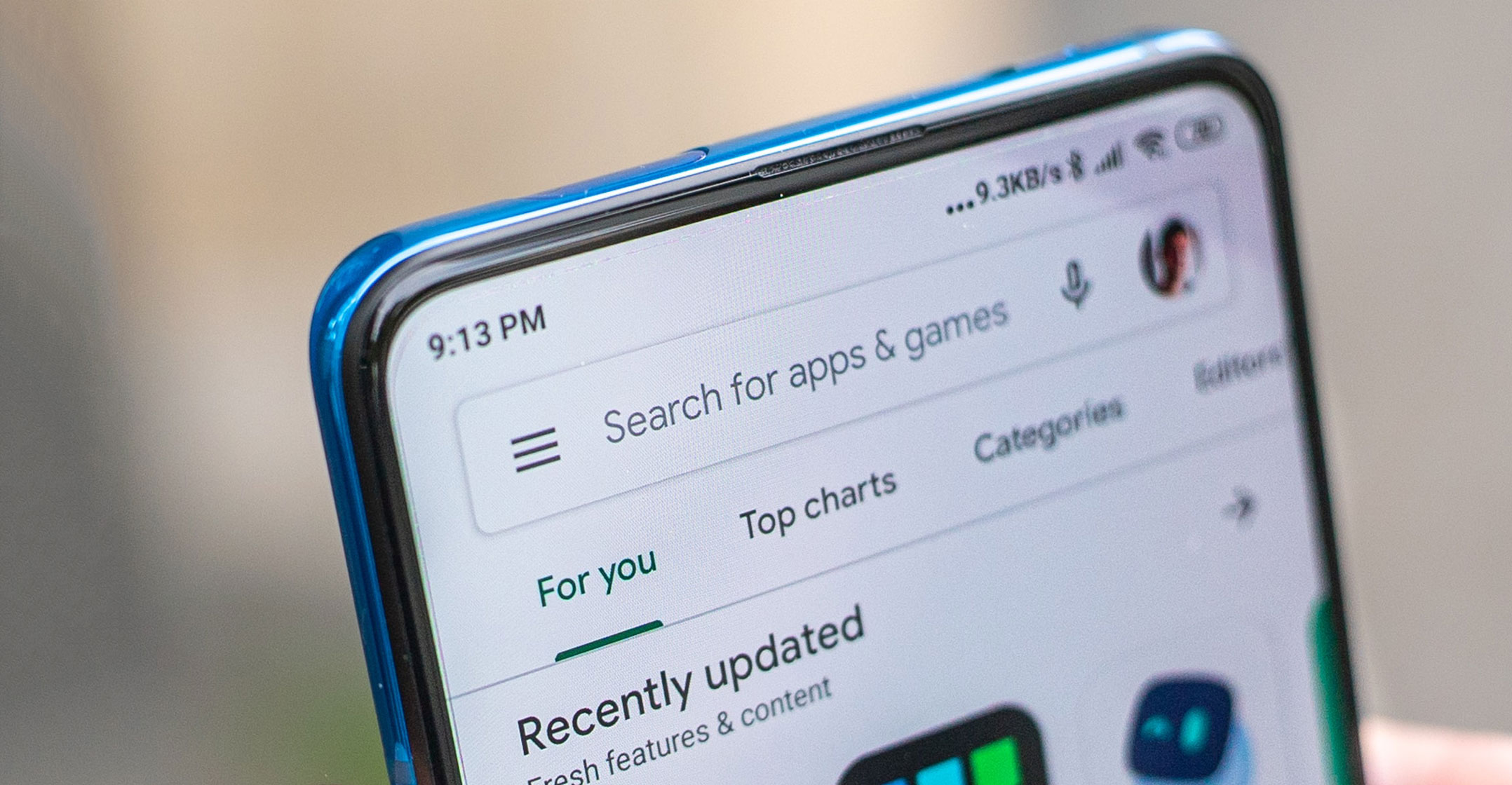
    Google agreed to pay US$8-billion over four years to Samsung Electronics to make its search engine, voice assistant and Play Store the default on the company’s mobile devices, according to testimony presented by Epic Games.

    James Kolotouros, vice president for Partnerships at Google, testified on Monday under questioning by an Epic lawyer in the San Francisco trial that Google devised plans to share app store revenue with Android mobile device makers to ensure their products were pre-installed with Google Play on home screens.

    Epic, the maker of the popular Fortnite game, alleges the technology giant’s app marketplace violates antitrust laws. A lawyer for Epic presented the agreement with Samsung as an example of the deals Google made starting four years ago with mobile phone manufacturers that use the Android operating system. Kolotouros’ testimony revealed that Samsung devices account for half or more of Google Play revenue.

    Epic, the maker of the popular Fortnite game, alleges Google’s app marketplace violates antitrust laws

    Epic is seeking to show that executives at the Alphabet unit were eager to discourage the proliferation of third-party app stores that would cut into Google Play’s operating profit — which was estimated by Epic earlier in the trial at more than US$12-billion in 2021, from sales that include the standard 30% revenue cut the company took from app developers.

    Monday’s testimony followed evidence Epic presented last week to show that Google was so concerned about game developers releasing their products independently that it was willing to spend millions to persuade them to stick with Google Play. On Tuesday Epic’s lawyers will question Google CEO Sundar Pichai.

    Google has long struck similar deals to maintain its search engine as the preselected choice on mobile devices — agreements that are at the centre of a separate antitrust showdown with the US justice department at a trial going in Washington.

    Project Banyan

    Epic’s lawyer Lauren Moskowitz pulled up a 2019 Google internal presentation on “Project Banyan”, an initiative that involved investing funds so the Google Play store could stand its ground against Samsung’s Galaxy App Store. The first slide said: “Existential Question — How do we continue to keep Play as the preeminent distribution platform for Android?”

    In 2019, Google offered to pay Samsung $200-million over four years so that Samsung’s Galaxy Store app marketplace would be available within the Google Play store rather than pre-installed and the South Korean device maker would not offer its own payment or billing system. But that proposal was abandoned and Google went on to sign three deals with Samsung the next year worth $8-billion over four years.

    Read: Trial to test Google’s app marketplace power

    One internal document showed Google saved almost $1-billion over four years by pulling back on its request for Google Play to be exclusively available on a device’s first screen, known as the homescreen. That meant Google Play would appear on the home screen, but with “room” for Samsung to also add the Galaxy Store, according to the document.

    Epic’s lawyer questioned Kolotouros about internal e-mails that showed Google employees were concerned that Google Play revenue was at risk as Android phone manufacturers began launching their own app stores and payment systems. One of the e-mails revealed that Amazon was perceived as a threat: “I worry about Amazon store (200K apps and growing) getting a foothold in Android world,” a colleague wrote to Kolotouros in 2014.

    Another internal presentation showed Google’s plans in 2019 to offer mobile device makers, aside from Samsung, a cut of Google Play revenue to safeguard against the company’s search engine and app being sidelined on mobile devices. A proposal was made to high-ranking Google executives that the company spend $2.9-billion in 2020, growing to $4.5-billion in 2023 across Search and Play, for wireless carriers and non-Samsung manufacturers to “secure platform protections for Search and Play and critical apps protections on more devices”.

    To secure Google Play “exclusivity”, the company put together a tiered plan that would offer a 16% share of Google Play’s revenue to mobile device makers, or between 4% and 8% of the app store’s sales to smaller manufacturers. It would also extend up to a 12% revenue share from its Search business sales.

    Under questioning by Google’s lawyer Glenn Pomerantz, Kolotouros said Google and Samsung never reached an agreement that barred Samsung from putting its Galaxy store on a device’s homescreen. The deals aimed to prevent users from switching from Samsung Android devices to Apple’s iPhone, Kolotouros said, bolstering Google’s claims that its policies and agreements with developers and device makers were legitimate efforts in the name of competition.

    Read: AI tools come to Google Search in South Africa

    Google attorneys showed a July 2019 e-mail from Jamie Rosenberg, who previously led Google Play and Android operations and now serves as an adviser, to say his team was “halting” Project Banyan. “It created an incentive dynamic where store teams would be competing with each other,” according to the e-mail.  — Malathi Nayak and Leah Nylen, (c) 2023 Bloomberg LP

    Get breaking news alerts from TechCentral on WhatsApp


    Apple Epic Games Google Google Play Google Play store Sundar Pichai
    WhatsApp YouTube Follow on Google News Add as preferred source on Google
    Share. Facebook Twitter LinkedIn WhatsApp Telegram Email Copy Link
    Previous ArticleGang says China’s biggest bank paid ransom over hack
    Next Article Oil giant Exxon Mobile to pivot into lithium for EVs

    Related Posts

    Stellar year expected for Digicloud Africa and its reseller partners - Gregory MacLennan

    Stellar year expected for Digicloud Africa and its reseller partners

    2 February 2026
    What ordinary South Africans really think of AI

    What ordinary South Africans really think of AI

    30 January 2026
    Apple acquires audio AI start-up Q.ai

    Apple acquires audio AI start-up Q.ai

    30 January 2026
    Company News
    Breaking silos with SAS: Agile insurance in an uncertain world

    Breaking silos with SAS: agile insurance in an uncertain world

    2 February 2026
    Stellar year expected for Digicloud Africa and its reseller partners - Gregory MacLennan

    Stellar year expected for Digicloud Africa and its reseller partners

    2 February 2026
    How to subscribe to South Africa's best tech podcasts - TechCentral

    How to subscribe to South Africa’s best tech podcasts

    2 February 2026
    Opinion
    South Africa's skills advantage is being overlooked at home - Richard Firth

    South Africa’s skills advantage is being overlooked at home

    29 January 2026
    Why Elon Musk's Starlink is a 'hard no' for me - Songezo Zibi

    Why Elon Musk’s Starlink is a ‘hard no’ for me

    26 January 2026
    South Africa's new fibre broadband battle - Duncan McLeod

    South Africa’s new fibre broadband battle

    20 January 2026

    Subscribe to Updates

    Get the best South African technology news and analysis delivered to your e-mail inbox every morning.

    Latest Posts
    Xneelo breaks ground on second Samrand data centre

    Xneelo breaks ground on second Samrand data centre

    3 February 2026
    Heavyweights backing ZARU, a new rand-based stablecoin in South Africa

    Heavyweights backing ZARU, a new rand-based stablecoin

    3 February 2026
    China's Haier takes aim at Samsung, LG and Hisense in South Africa

    China’s Haier takes aim at Samsung, LG and Hisense in South Africa

    3 February 2026
    South African tech start-ups that sold big on the world stage

    South African tech start-ups that sold big on the world stage

    3 February 2026
    © 2009 - 2026 NewsCentral Media
    • Cookie policy (ZA)
    • TechCentral – privacy and Popia

    Type above and press Enter to search. Press Esc to cancel.

    Manage consent

    TechCentral uses cookies to enhance its offerings. Consenting to these technologies allows us to serve you better. Not consenting or withdrawing consent may adversely affect certain features and functions of the website.

    Functional Always active
    The technical storage or access is strictly necessary for the legitimate purpose of enabling the use of a specific service explicitly requested by the subscriber or user, or for the sole purpose of carrying out the transmission of a communication over an electronic communications network.
    Preferences
    The technical storage or access is necessary for the legitimate purpose of storing preferences that are not requested by the subscriber or user.
    Statistics
    The technical storage or access that is used exclusively for statistical purposes. The technical storage or access that is used exclusively for anonymous statistical purposes. Without a subpoena, voluntary compliance on the part of your Internet Service Provider, or additional records from a third party, information stored or retrieved for this purpose alone cannot usually be used to identify you.
    Marketing
    The technical storage or access is required to create user profiles to send advertising, or to track the user on a website or across several websites for similar marketing purposes.
    • Manage options
    • Manage services
    • Manage {vendor_count} vendors
    • Read more about these purposes
    View preferences
    • {title}
    • {title}
    • {title}