
Close Menu
TechCentralTechCentral

    Subscribe to the newsletter

    Get the best South African technology news and analysis delivered to your e-mail inbox every morning.

    Facebook X (Twitter) YouTube LinkedIn
    WhatsApp Facebook X (Twitter) LinkedIn YouTube
    TechCentralTechCentral
    • News
      Icasa's fingerprint Sim plan runs into major telco resistance - Nomvuyiso Batyi, CEO of the Association of Comms & Technology

      Icasa’s fingerprint Sim plan runs into major telco resistance

      30 October 2026
      Why the JSE is keeping its AI agents on a short leash - Alicia Greenwood

      Why the JSE is keeping its AI agents on a short leash

      30 October 2026
      Free Office, free Photoshop: AI is breaking Big Tech's business model

      Free Office, free Photoshop: AI is breaking Big Tech’s business model

      30 October 2026
      Crypto's biggest heist exposes the weak link in exchange security

      Crypto’s biggest heist exposes the weak link in exchange security

      30 October 2026
      Dis-Chem's earnings slide as its tech spending doubles

      Dis-Chem’s earnings slide as its tech spending doubles

      30 October 2026
    • World
      Alleged Israeli spy company heavily targeted Starlink users

      How online ads were used to hunt Starlink users

      28 October 2026
      Anthropic's IPO stands alone

      Anthropic’s IPO stands alone

      23 October 2026
      PHP flaws trigger global scramble as hackers pounce

      PHP flaws trigger global scramble as hackers pounce

      22 October 2026
      OpenAI turns the tables on Apple in trade secrets fight

      OpenAI turns the tables on Apple in trade secrets fight

      15 October 2026
      Google's Gemini 4 Argon is finally here

      Google’s Gemini 4 Argon is finally here

      14 October 2026
    • In-depth
      Why investors are souring on Netflix

      Why investors are souring on Netflix

      22 October 2026

      10 days that changed the course of AI

      21 September 2026
      Meta to the AI industry: slow down without us - Mark Zuckerberg

      Meta to the AI industry: slow down without us

      16 September 2026
      Google DeepMind CEO Demis Hassabis. Image: John Sears

      The plan to stop AI from breaking the world

      16 July 2026
      The internet has a Strait of Hormuz problem

      The internet has a Strait of Hormuz problem

      15 July 2026
    • TCS
      TCS+ | Vox on AI, data rules and omnichannel communication for SMEs

      TCS+ | Vox on AI, data rules and omnichannel communication for SMEs

      26 October 2026
      TCS | The Cape Town firm quietly connecting Eskom, Pep and 6 000 ATMs - Réan van Niekerk, Metacom

      TCS | The Cape Town firm quietly connecting Eskom, Pep and 6 000 ATMs

      23 October 2026
      TCS+ | Boards are underestimating the cost of a cyberattack, says Arctic Wolf - Jason Oehley and Andre Den Hond

      TCS+ | Boards are underestimating the cost of a cyberattack, says Arctic Wolf

      22 October 2026
      W&W | LDV's Gerhard Moolman on electric bakkies, fleet orders and 'school fees'

      W&W | LDV’s Gerhard Moolman on electric bakkies and fleets

      9 October 2026
      TCS | Frogfoot sees bigger fibre deals coming - TechCentral Show guests Abraham van der Merwe and Shane Chorley

      TCS | Frogfoot sees bigger fibre deals coming

      8 October 2026
    • Opinion
      AI's boardroom honeymoon is over - Gary Stocks

      AI’s boardroom honeymoon is over

      22 October 2026
      Before South Africa licenses Starlink, it should look at Ukraine - Duncan McLeod

      Before South Africa licenses Starlink, it should look at Ukraine

      21 October 2026
      Nonkqubela Thathakahle Jordan-Dyani

      Why cybersecurity is now a national security issue for South Africa

      15 October 2026
      When a machine can choose, who does it become? Fanie van Rooyen

      When a machine can choose, who does it become?

      9 October 2026
      Let South Africans jailbreak their way to digital sovereignty - Dirk de Vos

      Let South Africans jailbreak their way to digital sovereignty

      5 October 2026
    • Company News
      • 1Stream
      • Africa Data Centres
      • AfriGIS
      • Altron Digital Business
      • Altron Document Solutions
      • Altron Group
      • Arctic Wolf
      • Ascent Technology
      • AvertITD
      • BBD
      • Braintree
      • CallMiner
      • CambriLearn
      • CM.com
      • Contactable
      • CYBER1 Solutions
      • Digicloud Africa
      • Digimune
      • Domains.co.za
      • ESET
      • Euphoria Telecom
      • HOSTAFRICA
      • Incredible Business
      • iONLINE
      • IQbusiness
      • Iris Network Systems
      • Kaspersky
      • LSD Open
      • Mitel
      • NEC XON
      • Netstar
      • Network Platforms
      • Next DLP
      • Ovations
      • Paracon
      • Paratus
      • Publishared
      • Q-KON
      • SevenC
      • SkyWire
      • Solid8 Technologies
      • Telit Cinterion
      • Telviva
      • Tenable
      • Vertiv
      • Videri Digital
      • Vodacom Business
      • Vox
      • Wipro
      • Workday
      • XLink
    • Sections
      • AI and machine learning
      • Banking
      • Broadcasting and media
      • Cloud services
      • Contact centres and CX
      • Cryptocurrencies
      • Education and skills
      • Electronics and hardware
      • Energy and sustainability
      • Enterprise software
      • Fintech and payments
      • HealthTech
      • Information security
      • Internet and connectivity
      • Internet of things
      • Investment
      • IT services
      • Lifestyle
      • Policy and regulation
      • Public sector
      • Retail and e-commerce
      • Satellite communications
      • Science
      • SMEs and start-ups
      • Social media
      • Talent and leadership
      • Telecoms
      • Watts & Wheels
    • Events
    • Advertise
    TechCentralTechCentral
    Home » Sections » Fintech and payments » Late to fintech boom, Nigerian banks turn to regulators for help

    Late to fintech boom, Nigerian banks turn to regulators for help

    By Agency Staff20 April 2021
    Twitter LinkedIn Facebook WhatsApp Email Telegram Copy Link
    Get breaking news on WhatsApp

    Skyline in Lagos, Nigeria. Namnso Ukpanah/Unsplash

    Nigerian banks’ dominance of their home turf is virtually unparalleled. Largely protected by regulators from foreign competition, Nigerian lenders control 94% of their domestic market, by assets, the world’s largest share of local ownership after Israel, according to a report published before Covid-19 hit in 2020 by Chris Ogbechie and Lilac Nachum, scholars at Lagos Business School.

    But the threat is now homegrown. Nigerian banks are only now starting to counter the emerging fintech firms riding the online wave spurred by the pandemic. As they set out their mobile money ambitions, they’re deploying their political muscle with regulators to bolster the moat around their franchises.

    “Some might claim there is pushback from traditional banks and their regulatory ally to restrict financial innovation by fintechs,” says Abubakar Idris, analyst at Stears Business, a Lagos-based consultancy for financial and technology companies. “If the largest telcos get a banking licence, they could undercut the banks.”

    The simmering conflict broke into the open this month when lenders kicked MTN Group off their shared platform

    The simmering conflict broke into the open this month when lenders kicked MTN Group, Africa’s largest mobile phone company, off their shared platform, protesting a cut by the telecoms provider on commissions charged on banking channels by almost half to 2.5%. Regulators intervened to reconnect MTN customers, while reinstating the 4.5% commission for the purchase of airtime bought via the banks.

    The sparring means the 60 million people in Africa’s largest economy who lack access to any banking services risk missing out on all the benefits of the fintech boom that has put much of Africa at the cutting edge of the revolution in mobile money.

    Investors jump in

    Anticipating the underserved entering the market, foreign investors have jumped in. Flutterwave, based in Lagos and San Francisco, raised US$170-million this year. That made it Nigeria’s second fintech start-up with a valuation above $1-billion, after Interswitch. Jumia Technologies, a Berlin-based e-commerce platform that started in Lagos, has almost tripled since it sold shares in New York in 2019, giving it a market value of $3.4-billion.

    The investment in Flutterwave by US hedge fund Tiger Global Management and New York private equity firm Avenir is more than double the ₦26-billion (R915-million) spending on IT by Nigeria’s two biggest banks in 2020. The two lenders spent ₦13.7-billion in the year earlier.

    That helps explain why lenders including Guaranty Trust Bank and Access Bank, the country’s two biggest, could use some help from regulators. They’re planning to start payments units this year, more than a decade after counterparts in Kenya and South Africa.
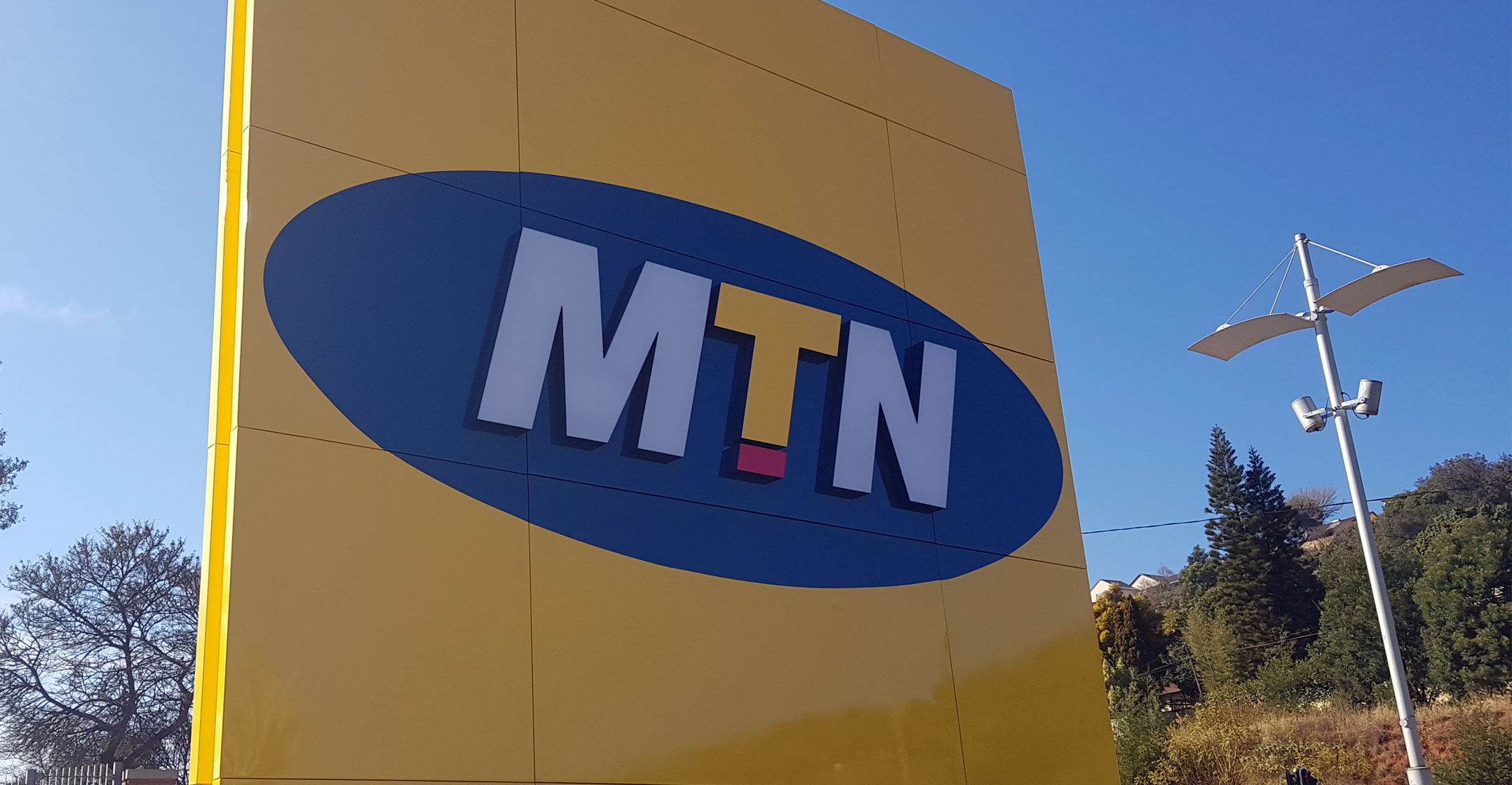
    While the government has opened up the industry to telecoms companies to increase access to banking services, the Central Bank of Nigeria has yet to approve payment service licences to MTN Nigeria Communications and Airtel Africa; it’s been about two years since they applied for the permits, which allow them to provide most banking functions except lending and taking foreign currency deposits.

    The central bank has been “lethargic” when it comes to allowing mobile operators to become “very important players” in the payment system, Yele Okeremi, CEO of Precise Financial System, a Lagos fintech, said by phone.

    Central bank spokesman Osita Nwanisobi didn’t respond to messages seeking comment while calls to his mobile phone didn’t connect. An MTN spokesman said it’s still in talks with regulators and the banks to resolve the commission dispute.

    Legacy banks are losing their grip on the market for electronic payments, which rose by a half last year to ₦158-trillion

    Even so, legacy banks are losing their grip on the market for electronic payments, which rose by a half last year to ₦158-trillion. Bank apps accounted for just 43% of such transactions in 2020, while non-banks, led by MTN, had 35%, according to the Nigerian Interbank Settlement System.

    Regulators have also had to mediate a conflict between the banks and fintechs over pricing of USSD transactions — the type made over phones — fixing a flat fee of ₦6.98/transaction, with banks collecting the charges. Banks are pressing regulators to require fintechs to charge customers separately through end-user billing, a move they’ve resisted.

    Mobile banking

    “Ultimately, we are going to go with end-user billing,” Segun Agbaje, MD for Guaranty Trust Bank, the nation’s biggest lender, predicted an investor call last month. “You are going to see more of a migration from USSD to mobile banking because USSD will become an expensive channel.”

    With their core lending businesses stagnant and investment flooding into fintech start-ups, the need for banks to move is increasingly urgent. “Banking generally is shrinking rapidly that every traditional bank out there is thinking about how it can keep up,” said Idris, the consultant.

    Guaranty Trust CEO Segun Agbaje, 56, is in the final stage of obtaining regulatory approval for a fintech unit, which he plans to start in the second half. He is pushing to create a separate payments business with a mobile wallet in Nigeria and three African countries, including Ghana and Côte d’Ivoire.

    While banks have rolled out digital products mainly by partnering with technology firms, they want a separate licence to control the payment infrastructure.

    Access Bank is emphasising payments, “which is in line with our corporate strategic plan”, CEO Herbert Wigwe said on an investor call. “Payments and remittances are critical, and making sure you have full control over the infrastructure,“ Wigwe said.

    For its part, Flutterwave doesn’t see itself as a threat to legacy lenders. “Fintechs build bank-level features like loan, savings or investment apps off collaborations with banks,” CEO Olugbenga Agboola said. “We started Flutterwave because we realised that there were lots of efficient niche payment methods that we needed to connect into one reliable infrastructure.”  — Reported by Emele Onu, (c) 2021 Bloomberg LP

    Add TechCentral as a preferred source on GoogleFollow TechCentral on Google NewsGet breaking news on WhatsApp


    Abubakar Idris Airtel Africa Flutterwave Guaranty Trust Bank Jumia Technologies MTN MTN Nigeria Precise Financial System Segun Agbaje Stears Business Tiger Global Management top Yele Okeremi
    WhatsApp YouTube
    Share. Facebook Twitter LinkedIn WhatsApp Telegram Email Copy Link
    Previous ArticleWho let the doge out? Dogecoin soars in meme-fuelled frenzy
    Next Article MTN cuts prepaid data prices – 20GB for R149

    Related Posts

    Icasa's fingerprint Sim plan runs into major telco resistance - Nomvuyiso Batyi, CEO of the Association of Comms & Technology

    Icasa’s fingerprint Sim plan runs into major telco resistance

    30 October 2026
    Icasa wants your fingerprint before you can get a Sim card

    Icasa wants your fingerprint before you can get a Sim card

    29 October 2026
    Vodacom Group CTO Dejan Kastelic

    South Africa’s 3G networks could go dark within two years

    28 October 2026
    Company News
    How to protect your business from digital banking scams and fraud - Standard Bank

    How to protect your business from digital banking scams and fraud

    30 October 2026
    Paratus continues to reshape connectivity in Namibia

    Paratus continues to reshape connectivity in Namibia

    29 October 2026
    Rate hikes threaten a household recovery built on cheaper credit - John Gellatly

    Rate hikes threaten a household recovery built on cheaper credit

    29 October 2026
    Opinion
    AI's boardroom honeymoon is over - Gary Stocks

    AI’s boardroom honeymoon is over

    22 October 2026
    Before South Africa licenses Starlink, it should look at Ukraine - Duncan McLeod

    Before South Africa licenses Starlink, it should look at Ukraine

    21 October 2026
    Nonkqubela Thathakahle Jordan-Dyani

    Why cybersecurity is now a national security issue for South Africa

    15 October 2026

    Subscribe to Updates

    Get the best South African technology news and analysis delivered to your e-mail inbox every morning.

    Latest Posts
    Icasa's fingerprint Sim plan runs into major telco resistance - Nomvuyiso Batyi, CEO of the Association of Comms & Technology

    Icasa’s fingerprint Sim plan runs into major telco resistance

    30 October 2026
    Why the JSE is keeping its AI agents on a short leash - Alicia Greenwood

    Why the JSE is keeping its AI agents on a short leash

    30 October 2026
    Free Office, free Photoshop: AI is breaking Big Tech's business model

    Free Office, free Photoshop: AI is breaking Big Tech’s business model

    30 October 2026
    Crypto's biggest heist exposes the weak link in exchange security

    Crypto’s biggest heist exposes the weak link in exchange security

    30 October 2026
    © 2009 - 2026 NewsCentral Media
    Built and maintained by Chronon
    • Cookie policy (ZA)
    • TechCentral – privacy and Popia

    Type above and press Enter to search. Press Esc to cancel.

    Manage consent

    TechCentral uses cookies to enhance its offerings. Consenting to these technologies allows us to serve you better. Not consenting or withdrawing consent may adversely affect certain features and functions of the website.

    Functional Always active
    The technical storage or access is strictly necessary for the legitimate purpose of enabling the use of a specific service explicitly requested by the subscriber or user, or for the sole purpose of carrying out the transmission of a communication over an electronic communications network.
    Preferences
    The technical storage or access is necessary for the legitimate purpose of storing preferences that are not requested by the subscriber or user.
    Statistics
    The technical storage or access that is used exclusively for statistical purposes. The technical storage or access that is used exclusively for anonymous statistical purposes. Without a subpoena, voluntary compliance on the part of your Internet Service Provider, or additional records from a third party, information stored or retrieved for this purpose alone cannot usually be used to identify you.
    Marketing
    The technical storage or access is required to create user profiles to send advertising, or to track the user on a website or across several websites for similar marketing purposes.
    • Manage options
    • Manage services
    • Manage {vendor_count} vendors
    • Read more about these purposes
    View preferences
    • {title}
    • {title}
    • {title}
    🇿🇦 Sign up to the TechCentral newsletter