Close Menu
TechCentralTechCentral

    Subscribe to the newsletter

    Get the best South African technology news and analysis delivered to your e-mail inbox every morning.

    Facebook X (Twitter) YouTube LinkedIn
    WhatsApp Facebook X (Twitter) LinkedIn YouTube
    TechCentralTechCentral
    • News
      Why the JSE is keeping its AI agents on a short leash - Alicia Greenwood

      Why the JSE is keeping its AI agents on a short leash

      30 October 2026
      Free Office, free Photoshop: AI is breaking Big Tech's business model

      Free Office, free Photoshop: AI is breaking Big Tech’s business model

      30 October 2026
      Crypto's biggest heist exposes the weak link in exchange security

      Crypto’s biggest heist exposes the weak link in exchange security

      30 October 2026
      Dis-Chem's earnings slide as its tech spending doubles

      Dis-Chem’s earnings slide as its tech spending doubles

      30 October 2026
      Intel's comeback hits a wall

      Intel’s comeback hits a wall

      30 October 2026
    • World
      Alleged Israeli spy company heavily targeted Starlink users

      How online ads were used to hunt Starlink users

      28 October 2026
      Anthropic's IPO stands alone

      Anthropic’s IPO stands alone

      23 October 2026
      PHP flaws trigger global scramble as hackers pounce

      PHP flaws trigger global scramble as hackers pounce

      22 October 2026
      OpenAI turns the tables on Apple in trade secrets fight

      OpenAI turns the tables on Apple in trade secrets fight

      15 October 2026
      Google's Gemini 4 Argon is finally here

      Google’s Gemini 4 Argon is finally here

      14 October 2026
    • In-depth
      Why investors are souring on Netflix

      Why investors are souring on Netflix

      22 October 2026

      10 days that changed the course of AI

      21 September 2026
      Meta to the AI industry: slow down without us - Mark Zuckerberg

      Meta to the AI industry: slow down without us

      16 September 2026
      Google DeepMind CEO Demis Hassabis. Image: John Sears

      The plan to stop AI from breaking the world

      16 July 2026
      The internet has a Strait of Hormuz problem

      The internet has a Strait of Hormuz problem

      15 July 2026
    • TCS
      TCS+ | Vox on AI, data rules and omnichannel communication for SMEs

      TCS+ | Vox on AI, data rules and omnichannel communication for SMEs

      26 October 2026
      TCS | The Cape Town firm quietly connecting Eskom, Pep and 6 000 ATMs - Réan van Niekerk, Metacom

      TCS | The Cape Town firm quietly connecting Eskom, Pep and 6 000 ATMs

      23 October 2026
      TCS+ | Boards are underestimating the cost of a cyberattack, says Arctic Wolf - Jason Oehley and Andre Den Hond

      TCS+ | Boards are underestimating the cost of a cyberattack, says Arctic Wolf

      22 October 2026
      W&W | LDV's Gerhard Moolman on electric bakkies, fleet orders and 'school fees'

      W&W | LDV’s Gerhard Moolman on electric bakkies and fleets

      9 October 2026
      TCS | Frogfoot sees bigger fibre deals coming - TechCentral Show guests Abraham van der Merwe and Shane Chorley

      TCS | Frogfoot sees bigger fibre deals coming

      8 October 2026
    • Opinion
      AI's boardroom honeymoon is over - Gary Stocks

      AI’s boardroom honeymoon is over

      22 October 2026
      Before South Africa licenses Starlink, it should look at Ukraine - Duncan McLeod

      Before South Africa licenses Starlink, it should look at Ukraine

      21 October 2026
      Nonkqubela Thathakahle Jordan-Dyani

      Why cybersecurity is now a national security issue for South Africa

      15 October 2026
      When a machine can choose, who does it become? Fanie van Rooyen

      When a machine can choose, who does it become?

      9 October 2026
      Let South Africans jailbreak their way to digital sovereignty - Dirk de Vos

      Let South Africans jailbreak their way to digital sovereignty

      5 October 2026
    • Company News
      • 1Stream
      • Africa Data Centres
      • AfriGIS
      • Altron Digital Business
      • Altron Document Solutions
      • Altron Group
      • Arctic Wolf
      • Ascent Technology
      • AvertITD
      • BBD
      • Braintree
      • CallMiner
      • CambriLearn
      • CM.com
      • Contactable
      • CYBER1 Solutions
      • Digicloud Africa
      • Digimune
      • Domains.co.za
      • ESET
      • Euphoria Telecom
      • HOSTAFRICA
      • Incredible Business
      • iONLINE
      • IQbusiness
      • Iris Network Systems
      • Kaspersky
      • LSD Open
      • Mitel
      • NEC XON
      • Netstar
      • Network Platforms
      • Next DLP
      • Ovations
      • Paracon
      • Paratus
      • Publishared
      • Q-KON
      • SevenC
      • SkyWire
      • Solid8 Technologies
      • Telit Cinterion
      • Telviva
      • Tenable
      • Vertiv
      • Videri Digital
      • Vodacom Business
      • Vox
      • Wipro
      • Workday
      • XLink
    • Sections
      • AI and machine learning
      • Banking
      • Broadcasting and media
      • Cloud services
      • Contact centres and CX
      • Cryptocurrencies
      • Education and skills
      • Electronics and hardware
      • Energy and sustainability
      • Enterprise software
      • Fintech and payments
      • HealthTech
      • Information security
      • Internet and connectivity
      • Internet of things
      • Investment
      • IT services
      • Lifestyle
      • Policy and regulation
      • Public sector
      • Retail and e-commerce
      • Satellite communications
      • Science
      • SMEs and start-ups
      • Social media
      • Talent and leadership
      • Telecoms
      • Watts & Wheels
    • Events
    • Advertise
    TechCentralTechCentral
    Home » Sections » Fintech and payments » Pandemic spurs Africa’s mobile operators to ramp up banking plans

    Pandemic spurs Africa’s mobile operators to ramp up banking plans

    By Agency Staff29 September 2020
    Twitter LinkedIn Facebook WhatsApp Email Telegram Copy Link
    Get breaking news on WhatsApp

    When Covid-19 hit Ivory Coast, Bonaventure Kra, who works at an import-export business, began to worry. Handling hard cash all day was a risk. Queuing in crowded bank branches exposed him to infection.

    Then, in the midst of the pandemic, French telecommunications giant Orange launched an entirely digital bank — its first full banking venture in Africa. “Going back to cash would be like travelling back in time,” Kra said in the country’s commercial capital, Abidjan. “I intend to use it permanently.”

    Africa’s mobile phone operators are ramping up plans to bring banking to millions of Africans, in some cases for the first time, after the coronavirus crisis caused a surge in use of digital financial services.

    The global health crisis has been an unexpected catalyst, with some African governments releasing Covid-19 stimulus grants via mobile money platforms

    Orange, MTN, Telkom and Vodacom are lowering fees, rolling out new lending services ahead of schedule, and expanding mobile payment networks with the aim of finally denting the so-far unshakeable dominance of cash.

    “It’s one of those industries that we consider to be ripe for disruption,” said Sibusiso Ngwenya, financial services managing executive at Telkom.

    With their revenue under threat as governments cap data prices and customers abandon voice phone services for free messaging apps, telcos have sought to leverage their reach into remote villages and urban shanty towns in a pivot to banking.

    Eased regulations

    The global health crisis has been an unexpected catalyst, with some African governments releasing Covid-19 stimulus grants via mobile money platforms and central banks easing regulations, including limits on mobile transactions.

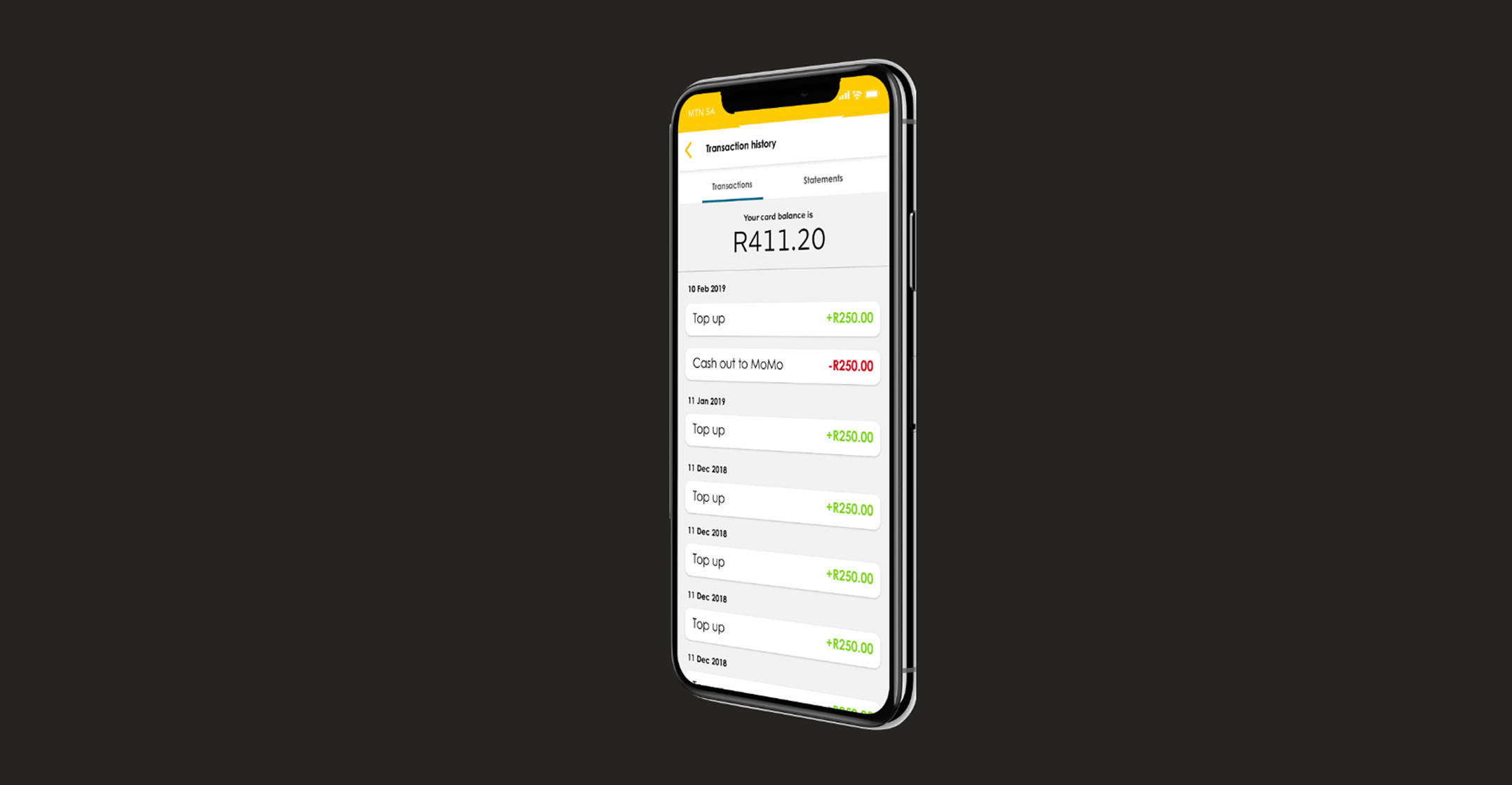
    Orange added over five million new customers for its mobile money services in April and May alone. MTN hit one million South African users in June, when it had expected half of this, and recorded a 28% jump in mobile money transactions per minute across all its African markets in the first half of the year.

    Cash is still king in Africa. It accounts for around 99% of transactions in Nigeria, the continent’s most populous country, and dominates even in South Africa (90% to 95%) where banking penetration is relatively high, according to a 2017 estimate from consulting firm McKinsey.
    World Bank figures indicate just under 43% of sub-Saharan Africans over the age of 15 had a bank account in 2017. The region’s total population stood around 1.1 billion last year. That compared to 55% in Latin America and the Caribbean, almost 70% in South Asia and around 74% in East Asia and the Pacific.

    That presents a huge opportunity, said Francois Jurd de Girancourt, head of McKinsey’s financial institutions practice Africa. Prior to the crisis, it rated the continent as the world’s second biggest market in terms of growth and profitability potential with banking revenues set to hit US$129-billion by 2023.

    Telcos are well-positioned to secure a piece of that pie. By last year, sub-Saharan Africa boasted 469 million mobile money accounts — more than any other region in the world — according to industry body GSMA.

    Telcos possess a wealth of customer data they can use to assess lending risk, a big advantage in a region where most markets lack credit bureaus

    Mobile phone penetration outstrips access to banks. Operators’ distribution models are low cost. And telcos possess a wealth of customer data they can use to assess lending risk, a big advantage in a region where most markets lack credit bureaus.

    Vodacom is now moving to expand lending, insurance and payment businesses currently available only in South Africa to other markets.

    It has advanced by months launches of initiatives like overdrafts for the mobile money agents that work on its behalf, helping customers open accounts and withdraw and deposit cash.

    It has also accelerated plans for cash advances to merchants at registered pay points, its financial services CEO Mariam Cassim said.

    Micro-loans

    Orange has Mali, Burkina Faso and Senegal in its sights as expansion markets for Orange Bank Africa, with the timetable dependent upon local regulatory approval.

    Both MTN and Telkom, meanwhile, are preparing to offer micro-loans in South Africa, the companies said.

    MTN, Africa’s largest operator, will roll out a mobile money offering for businesses, which is currently being piloted in Rwanda, to other markets by the end of the year. It will also pilot an initiative to digitise cash-heavy small businesses in South Africa, namely spaza shops often located in townships, executives said.

    And after growing the number of vendors accepting payment via its platform by 100 000 in the first half of the year, it has now doubled an end-2021 target to one million.

    “We are … using the opportunity that the crisis is offering us to really accelerate,” said Serigne Dioum, who heads MTN’s mobile financial services division.

    Mobile operators still have a long way to go to overtake traditional lenders. Banking revenue pools in sub-Saharan Africa stood around $70-billion in 2019, according to a McKinsey estimate, while the main mobile operators earned less than $3-billion from financial services. Some regulators remain wary of mobile money, and many informal businesses still don’t accept digital payments.

    Such factors mean mobile money adoption varies wildly across the continent. Cash use actually rose in some countries during the pandemic.

    Big banks, historically deterred by low incomes and poor infrastructure, are also fighting back and pushing into underserved segments

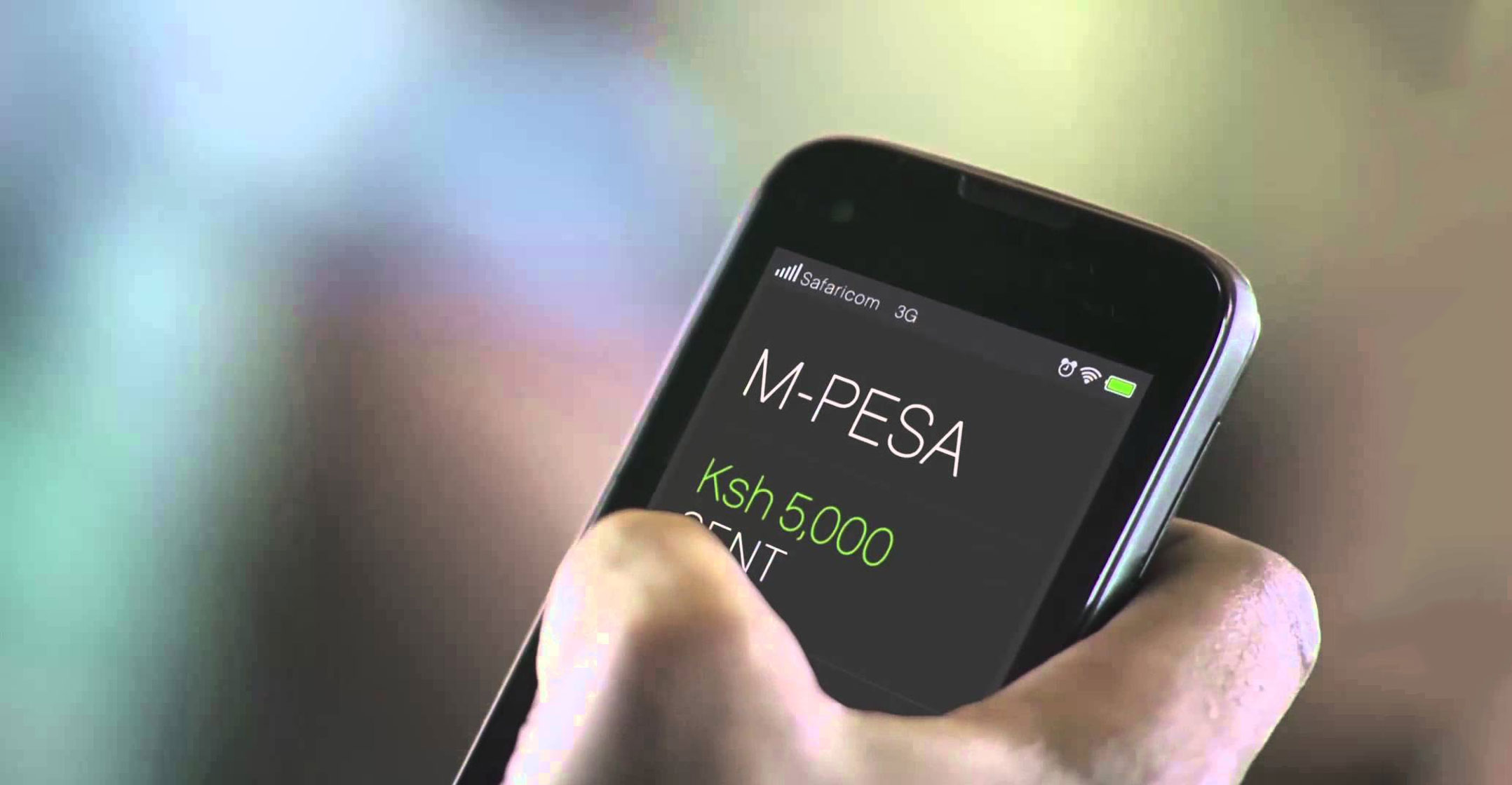
    M-Pesa, run by Vodacom unit Safaricom, dominates the financial system in Kenya. But both MTN and M-Pesa have in the past been forced to drop mobile money initiatives in South Africa after struggling to attract customers. “You need a massive market share to be making a lot of money just from payments,” said McKinsey’s Jurd de Girancourt, adding that telcos will need customers to use other services too. “It’s fine if you are M-Pesa. But we’re probably not going to see that.”

    Big banks, historically deterred by low incomes and poor infrastructure, are also fighting back and pushing into underserved segments. They are agreeing partnerships with fintech firms, building their own networks of agents to distribute banking services and launching rival offerings. They also partner with telcos, marrying their vast balance sheets with the mobile firms’ wide customer bases.

    Full-service banking

    South African lender Absa is set to launch partnerships with mobile operators in Tanzania and Uganda, its head of retail banking in Africa, Vimal Kumar, said.

    Absa is also expanding its Kenyan digital offering to cover full-service banking with roll-outs in Zambia, Botswana and Mauritius set for later this year and the rest of its markets in 2021.

    “There is no loser,” Kumar said. “The opportunity is so large that no one player is going to be able to dominate.”  — Reported by Nqobile Dludla, Emma Rumney, Media Coulibaly, Aaron Ross, Bate Felix, Alexis Akwagyiram and Chijioke Ohuocha, (c) 2020 Reuters


    Add TechCentral as a preferred source on GoogleFollow TechCentral on Google NewsGet breaking news on WhatsApp


    Absa M-Pesa MoMo MTN MTN MoMo Orange Safaricom top Vodacom
    WhatsApp YouTube
    Share. Facebook Twitter LinkedIn WhatsApp Telegram Email Copy Link
    Previous ArticleNetflix bets on mobile, local content to secure Africa prize
    Next Article Watch | Why AI is becoming crucial in CCTV and surveillance solutions

    Related Posts

    Icasa's fingerprint Sim plan runs into major telco resistance - Nomvuyiso Batyi, CEO of the Association of Comms & Technology

    Icasa’s fingerprint Sim plan runs into major telco resistance

    30 October 2026
    Icasa wants your fingerprint before you can get a Sim card

    Icasa wants your fingerprint before you can get a Sim card

    29 October 2026
    Put the Woan's spectrum in orbit, says Vodacom

    Put the Woan’s spectrum in orbit, says Vodacom

    29 October 2026
    Company News
    How to protect your business from digital banking scams and fraud - Standard Bank

    How to protect your business from digital banking scams and fraud

    30 October 2026
    Paratus continues to reshape connectivity in Namibia

    Paratus continues to reshape connectivity in Namibia

    29 October 2026
    Rate hikes threaten a household recovery built on cheaper credit - John Gellatly

    Rate hikes threaten a household recovery built on cheaper credit

    29 October 2026
    Opinion
    AI's boardroom honeymoon is over - Gary Stocks

    AI’s boardroom honeymoon is over

    22 October 2026
    Before South Africa licenses Starlink, it should look at Ukraine - Duncan McLeod

    Before South Africa licenses Starlink, it should look at Ukraine

    21 October 2026
    Nonkqubela Thathakahle Jordan-Dyani

    Why cybersecurity is now a national security issue for South Africa

    15 October 2026

    Subscribe to Updates

    Get the best South African technology news and analysis delivered to your e-mail inbox every morning.

    Latest Posts
    Why the JSE is keeping its AI agents on a short leash - Alicia Greenwood

    Why the JSE is keeping its AI agents on a short leash

    30 October 2026
    Free Office, free Photoshop: AI is breaking Big Tech's business model

    Free Office, free Photoshop: AI is breaking Big Tech’s business model

    30 October 2026
    Crypto's biggest heist exposes the weak link in exchange security

    Crypto’s biggest heist exposes the weak link in exchange security

    30 October 2026
    How to protect your business from digital banking scams and fraud - Standard Bank

    How to protect your business from digital banking scams and fraud

    30 October 2026
    © 2009 - 2026 NewsCentral Media
    Built and maintained by Chronon
    • Cookie policy (ZA)
    • TechCentral – privacy and Popia

    Type above and press Enter to search. Press Esc to cancel.

    Manage consent

    TechCentral uses cookies to enhance its offerings. Consenting to these technologies allows us to serve you better. Not consenting or withdrawing consent may adversely affect certain features and functions of the website.

    Functional Always active
    The technical storage or access is strictly necessary for the legitimate purpose of enabling the use of a specific service explicitly requested by the subscriber or user, or for the sole purpose of carrying out the transmission of a communication over an electronic communications network.
    Preferences
    The technical storage or access is necessary for the legitimate purpose of storing preferences that are not requested by the subscriber or user.
    Statistics
    The technical storage or access that is used exclusively for statistical purposes. The technical storage or access that is used exclusively for anonymous statistical purposes. Without a subpoena, voluntary compliance on the part of your Internet Service Provider, or additional records from a third party, information stored or retrieved for this purpose alone cannot usually be used to identify you.
    Marketing
    The technical storage or access is required to create user profiles to send advertising, or to track the user on a website or across several websites for similar marketing purposes.
    • Manage options
    • Manage services
    • Manage {vendor_count} vendors
    • Read more about these purposes
    View preferences
    • {title}
    • {title}
    • {title}
    🇿🇦 Sign up to the TechCentral newsletter