Close Menu
TechCentralTechCentral

    Subscribe to the newsletter

    Get the best South African technology news and analysis delivered to your e-mail inbox every morning.

    Facebook X (Twitter) YouTube LinkedIn
    WhatsApp Facebook X (Twitter) LinkedIn YouTube
    TechCentralTechCentral
    • News
      Big Microsoft 365 price increases coming next year

      Big Microsoft price increases coming next year

      5 December 2025
      Vodacom to take control of Safaricom in R36-billion deal - Shameel Joosub

      Vodacom to take control of Safaricom in R36-billion deal

      4 December 2025
      Black Friday goes digital in South Africa as online spending surges to record high

      Black Friday goes digital in South Africa as online spending surges to record high

      4 December 2025
      BYD takes direct aim at Toyota with launch of sub-R500 000 Sealion 5 PHEV

      BYD takes direct aim at Toyota with launch of sub-R500 000 Sealion 5 PHEV

      4 December 2025
      'Get it now': Takealot in new instant deliveries pilot

      ‘Get it now’: Takealot in new instant deliveries pilot

      4 December 2025
    • World
      Amazon and Google launch multi-cloud service for faster connectivity

      Amazon and Google launch multi-cloud service for faster connectivity

      1 December 2025
      Google makes final court plea to stop US breakup

      Google makes final court plea to stop US breakup

      21 November 2025
      Bezos unveils monster rocket: New Glenn 9x4 set to dwarf Saturn V

      Bezos unveils monster rocket: New Glenn 9×4 set to dwarf Saturn V

      21 November 2025
      Tech shares turbocharged by Nvidia's stellar earnings

      Tech shares turbocharged by stellar Nvidia earnings

      20 November 2025
      Config file blamed for Cloudflare meltdown that disrupted the web

      Config file blamed for Cloudflare meltdown that disrupted the web

      19 November 2025
    • In-depth
      Jensen Huang Nvidia

      So, will China really win the AI race?

      14 November 2025
      Valve's Linux console takes aim at Microsoft's gaming empire

      Valve’s Linux console takes aim at Microsoft’s gaming empire

      13 November 2025
      iOCO's extraordinary comeback plan - Rhys Summerton

      iOCO’s extraordinary comeback plan

      28 October 2025
      Why smart glasses keep failing - no, it's not the tech - Mark Zuckerberg

      Why smart glasses keep failing – it’s not the tech

      19 October 2025
      BYD to blanket South Africa with megawatt-scale EV charging network - Stella Li

      BYD to blanket South Africa with megawatt-scale EV charging network

      16 October 2025
    • TCS
      TCS+ | How Cloud on Demand helps partners thrive in the AWS ecosystem - Odwa Ndyaluvane and Xenia Rhode

      TCS+ | How Cloud On Demand helps partners thrive in the AWS ecosystem

      4 December 2025
      TCS | MTN Group CEO Ralph Mupita on competition, AI and the future of mobile

      TCS | Ralph Mupita on competition, AI and the future of mobile

      28 November 2025
      TCS | Dominic Cull on fixing South Africa's ICT policy bottlenecks

      TCS | Dominic Cull on fixing South Africa’s ICT policy bottlenecks

      21 November 2025
      TCS | BMW CEO Peter van Binsbergen on the future of South Africa's automotive industry

      TCS | BMW CEO Peter van Binsbergen on the future of South Africa’s automotive industry

      6 November 2025
      TCS | Why Altron is building an AI factory - Bongani Andy Mabaso

      TCS | Why Altron is building an AI factory in Johannesburg

      28 October 2025
    • Opinion
      Your data, your hardware: the DIY AI revolution is coming - Duncan McLeod

      Your data, your hardware: the DIY AI revolution is coming

      20 November 2025
      Zero Carbon Charge founder Joubert Roux

      The energy revolution South Africa can’t afford to miss

      20 November 2025
      It's time for a new approach to government IT spend in South Africa - Richard Firth

      It’s time for a new approach to government IT spend in South Africa

      19 November 2025
      How South Africa's broken Rica system fuels murder and mayhem - Farhad Khan

      How South Africa’s broken Rica system fuels murder and mayhem

      10 November 2025
      South Africa's AI data centre boom risks overloading a fragile grid - Paul Colmer

      South Africa’s AI data centre boom risks overloading a fragile grid

      30 October 2025
    • Company Hubs
      • Africa Data Centres
      • AfriGIS
      • Altron Digital Business
      • Altron Document Solutions
      • Altron Group
      • Arctic Wolf
      • AvertITD
      • Braintree
      • CallMiner
      • CambriLearn
      • CYBER1 Solutions
      • Digicloud Africa
      • Digimune
      • Domains.co.za
      • ESET
      • Euphoria Telecom
      • Incredible Business
      • iONLINE
      • IQbusiness
      • Iris Network Systems
      • LSD Open
      • NEC XON
      • Netstar
      • Network Platforms
      • Next DLP
      • Ovations
      • Paracon
      • Paratus
      • Q-KON
      • SevenC
      • SkyWire
      • Solid8 Technologies
      • Telit Cinterion
      • Tenable
      • Vertiv
      • Videri Digital
      • Vodacom Business
      • Wipro
      • Workday
      • XLink
    • Sections
      • AI and machine learning
      • Banking
      • Broadcasting and Media
      • Cloud services
      • Contact centres and CX
      • Cryptocurrencies
      • Education and skills
      • Electronics and hardware
      • Energy and sustainability
      • Enterprise software
      • Financial services
      • Information security
      • Internet and connectivity
      • Internet of Things
      • Investment
      • IT services
      • Lifestyle
      • Motoring
      • Public sector
      • Retail and e-commerce
      • Satellite communications
      • Science
      • SMEs and start-ups
      • Social media
      • Talent and leadership
      • Telecoms
    • Events
    • Advertise
    TechCentralTechCentral
    Home » Sections » Motoring » Western car giants risk being left behind by China’s EV industry
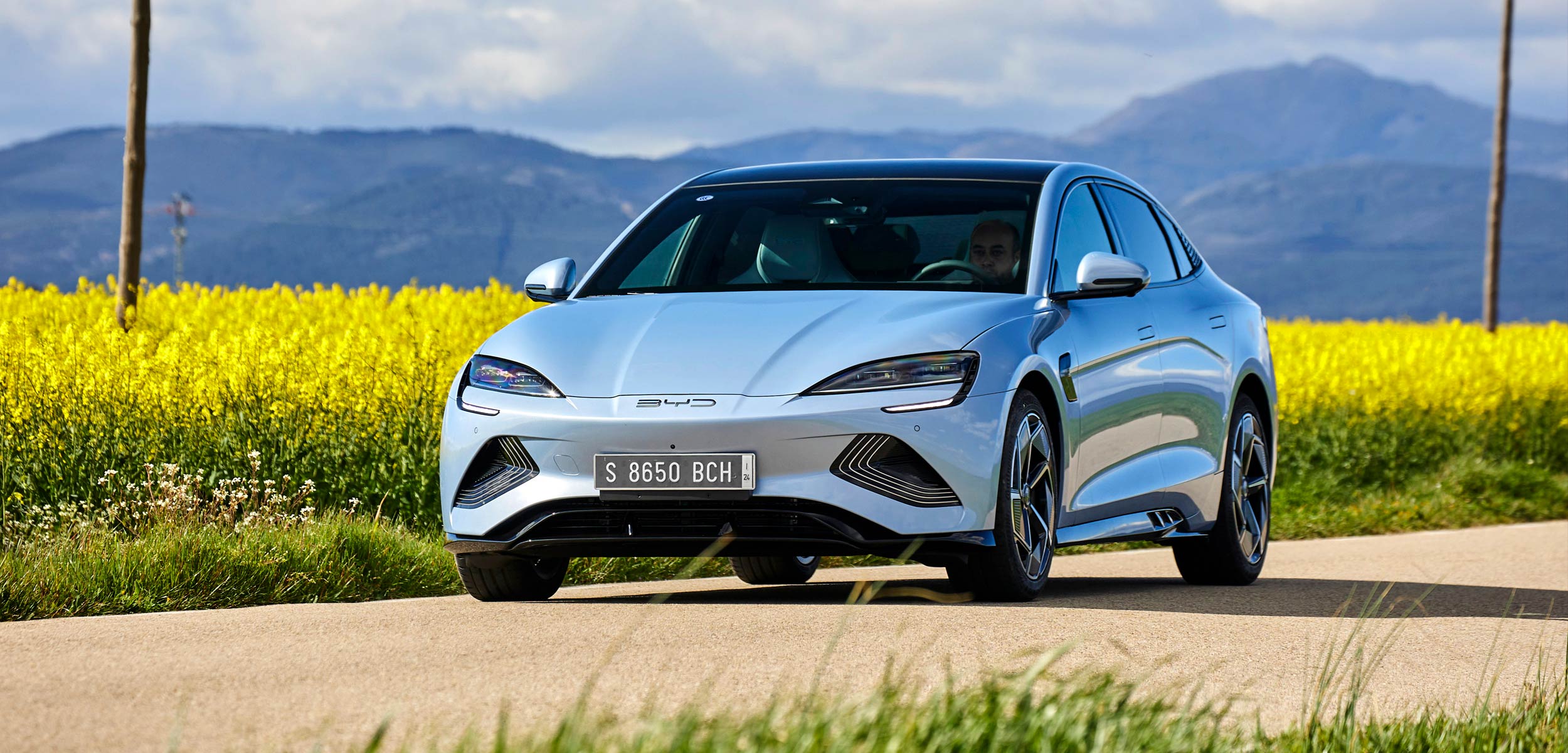
    Western car giants risk being left behind by China's EV industry - BYD Seal
    BYD Seal

    Western car giants risk being left behind by China’s EV industry

    By Agency Staff18 October 2024

    Ryan Xu was a dream customer for Germany’s car makers. The Guangdong-based entrepreneur and her husband own a Porsche 911 and a Mercedes-Benz G-Class and were among the first buyers of the electric Porsche Taycan.

    But her views on German cars have soured as Chinese consumers increasingly favour tech refinement over traditional selling points like horsepower and handling. The software systems in the Taycan, which costs well over $100 000, were “terrible”, the 36-year-old mother of three said. It was “just an electrified Porsche — and that’s it”.

    Her assessment isn’t isolated. As China moves away from combustion-engine cars, Volkswagen, Mercedes-Benz Group and BMW are struggling to offer electric vehicles that appeal to customers in their largest and most lucrative market, putting €35-billion of investment on the line.

    The turning point is happening now for these automakers. They need to dramatically change their strategy

    The latest warning signs came last week, when all three German manufacturers reported slumping third-quarter sales in China. BMW posted its steepest sales drop there in more than four years, a 30% plunge, and Mercedes’ deliveries declined 13% amid poor demand for its priciest cars, including S-Class and Maybach limousines.

    Porsche’s sales in China tumbled 19% to its worst third-quarter performance in a decade as global demand for the Taycan nearly halved. Volkswagen — the parent of Porsche and Audi — reported a 15% decline. “The competitive situation in China is particularly intense,” said Marco Schubert, who oversees sales for VW.

    After dominating the gas-guzzler era, German manufacturers became complacent, underestimating the threats posed by new rivals and reluctant to abandon the profits generated by big-engine cars. That allowed Tesla and local manufacturers led by BYD to speed by with tech-savvy and affordable plug-ins, and now China no longer needs or wants them there.

    Turning point

    “The turning point is happening now for these automakers,” said Stephen Dyer, a Shanghai-based MD at consultant AlixPartners. “They need to dramatically change their strategy in the market.”

    The next challenge is already on display at this week’s Paris auto show, where Chinese manufacturers are stepping up their efforts to take market share in Europe. Companies including BYD and Xpeng will showcase their latest technology at the biggest European car event this year.

    At least one response effort didn’t go as planned. The microphone and slideshow cut out for several minutes in the midst of Volkswagen’s presentation about future electric vehicles, leaving sales and marketing chief Martin Sander visibly frustrated.

    Read: South Africa weighs subsidies and rebates to boost electric car sales

    BMW CEO Oliver Zipse, meanwhile, pushed back against Europe’s plan to effectively ban the sale of combustion-engine cars from 2035, arguing it will lead to a “massive shrinking” of the region’s automotive industry.

    It’s an emotion shared by drivers in China. After dealing with braking and other quality issues, the Xu family sold their Taycan and bought an ET5 from Chinese brand Nio. The car was about a third cheaper than a Mercedes EQE, which Xu also considered, but offered a more luxurious interior design, smooth voice controls and greeted their kids by name as they climbed in.
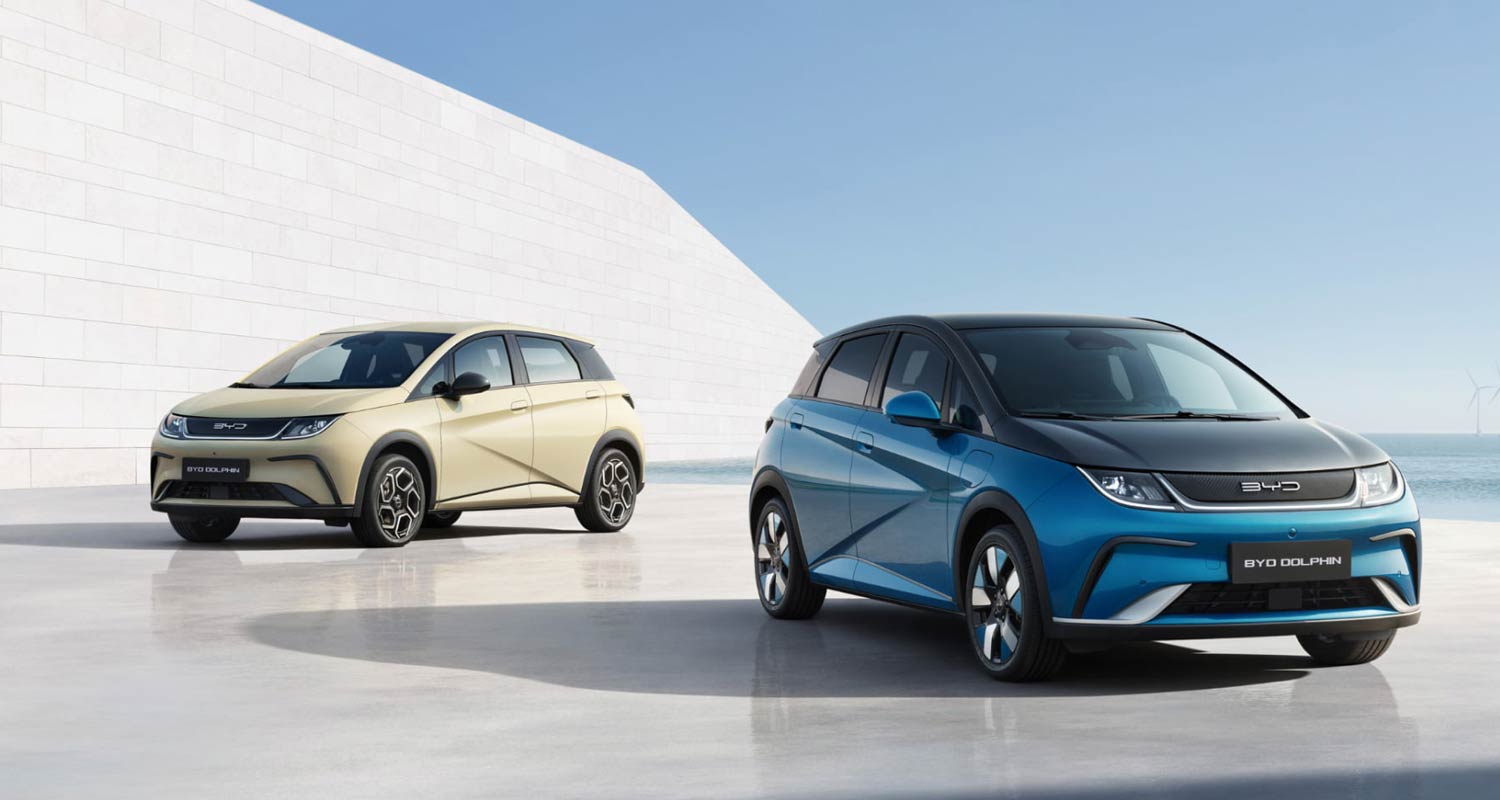
    BYD Dolphin
    BYD’s Dolphin EV is an affordable electric car that’s directly challenging mainstream car brands in Europe

    “German cars can hardly match” that level of technology, said Xu, who runs a business with her husband. Mercedes, BMW and Audi “can hardly be seen as luxury cars now”.

    While German car makers still control nearly 15% of the Chinese market, that’s down from a quarter before the pandemic and worse yet, their share of EVs is less than 10%. Without a quick turnaround, the slump risks turning into a rout and tipping Germany’s Big Three into an existential fight. As it is, VW, Mercedes and BMW are each only worth about half of BYD’s stock market value.

    Even more than other international peers, Germany’s car makers have gone all in on China. While some rivals have cut their losses, the Germans aren’t giving up, shifting more resources in an effort to claw back market share. But it looks like an uphill fight as Beijing actively seeks to build up its own manufacturers.

    VW plans to continue its “in China, for China” strategy to protect its long-term prospects

    Volkswagen plans to play the long game. A spokesman for the Wolfsburg-based company said the Chinese car market has been marked by steep discounts, and it wouldn’t buy market share at the expense of profitability.

    The company plans to continue its “in China, for China” strategy to protect its long-term prospects. BMW and Mercedes are also planning to stick with a localisation approach to appeal to buyers there.

    The reasons for doubling down are clear. With Europe’s car market probably past its peak and the US saturated, there’s no viable alternative to China for a similar level of volumes and profits.

    That raises concerns given their massive footprint in China. As a group, Germany’s car makers operate a network of over 40 factories — more than in their homeland. That’s too much investment to simply give up on — and explains why they oppose the EU’s plans to levy tariffs on China’s cheap electric cars.

    Unthinkable

    Pulling out of China — as smaller Japanese brands Suzuki and Mitsubishi have done — is almost unthinkable. And any restructuring would be complicated, given the operations are caught in a complex web of relations with government entities. That puts the focus on developing the kinds of features that Chinese customers want.

    Urgency started to intensify in late 2022. After Volkswagen’s China chief Ralf Brandstätter warned the supervisory board that Chinese car makers had leapt ahead, the company then chartered flights to send hundreds of staff to the Shanghai auto show in April 2023 — the first installment after years of Covid lockdowns — to see for themselves.

    Read: EU to slap 45% tariff on Chinese EVs

    It was a sobering reality check. The German executives were confronted with a rapid roll-out of affordable Chinese models, tech-loaded products and an intensified price war. There was also a slew of gimmicky innovations like a hopping sportscar and in-car karaoke, which may have been quirky but reset the bar for Chinese consumers about the source of automotive trends.

    Since then, there has been an intense competitive response. A few weeks after the auto show, VW CEO Oliver Blume ousted the head of software unit Cariad in the latest effort to accelerate and improve technology. Alongside new Chinese partnerships for autonomous driving, infotainment and user experience, VW also invested in Guangzhou-based Xpeng to underpin a plan to build cars using the startup’s EV expertise.
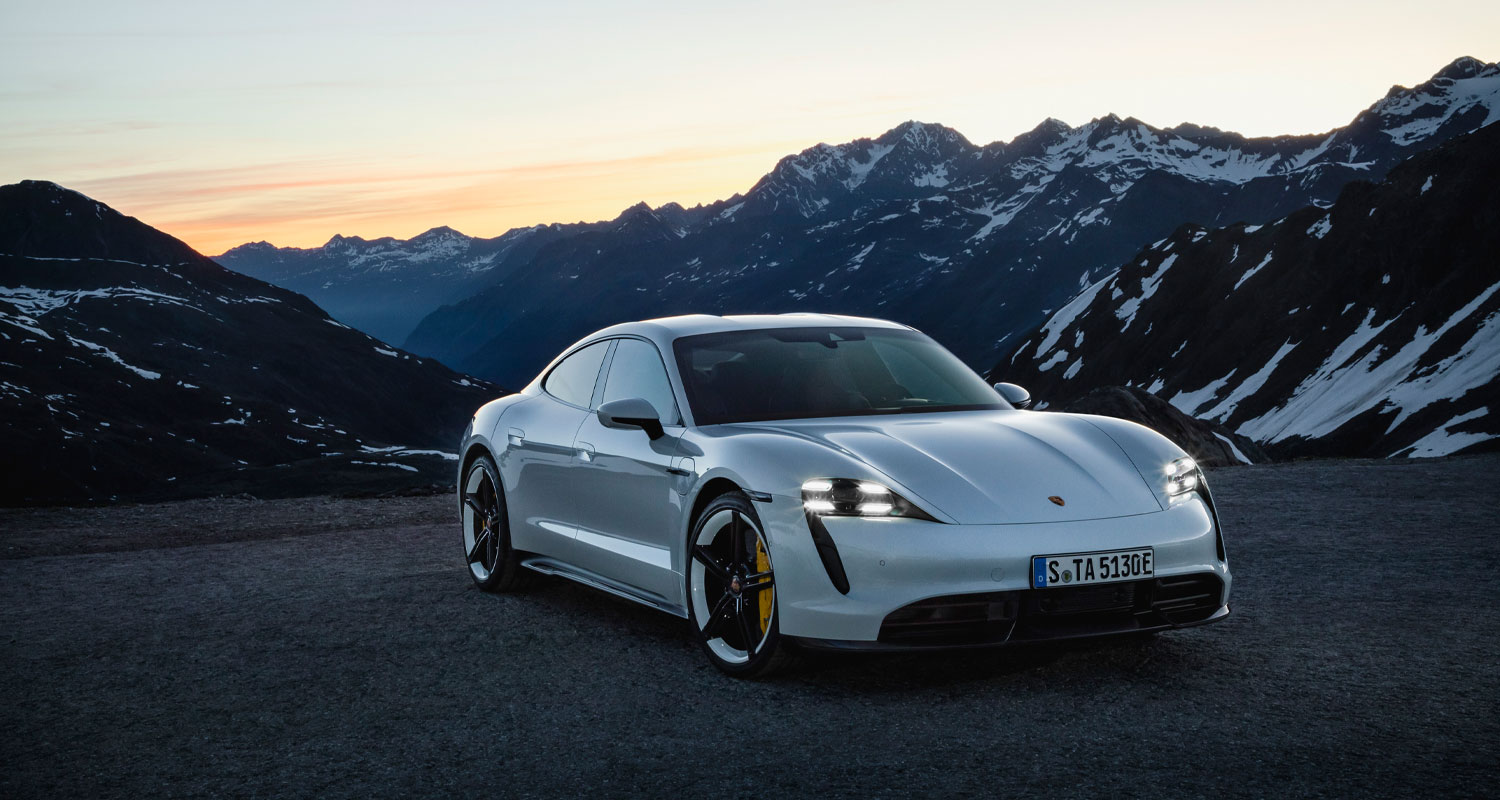
    Porsche Taycan turbo S
    Porsche Taycan turbo S … the European brand is facing intense competition from Chinese rivals

    After a profit warning in September, one of the first actions by Mercedes CEO Ola Källenius was to fly to China to check on progress in reshaping its presence there including tapping CATL for batteries and Tencent Holdings for digital services. BMW responded by joining forces with Great Wall Motor to build EVs for its Mini brand.

    The cumulative result is that German cars will become progressively less German in their largest market. The expansion is also exactly the opposite of the government’s aim to reduce exposure to China, according to Gregor Sebastian, an analyst at Rhodium Group.

    Clinging to their position in China is “a huge gamble”, he said, noting that the German state might need to bail them out if it all goes wrong. “They’re hoping they’re too big to fail.”

    Downsizing operations in China is difficult because large-scale job cuts often need to be discussed with domestic partners

    While Chinese consumers eagerly bought up German cars for years, the market has changed and reclaiming that enthusiasm from a clientele that’s younger, more tech orientated than in Europe is a major challenge. With the switch to electrics, local brands have shown they can match VW, BMW and Mercedes on quality and beat them on price and technology.

    What that means for Germany can be seen inside a production hall at Mercedes’ Sindelfingen site near Stuttgart. It’s home of the flagship S-Class, long a favourite of China’s nouveau riche. But demand has slumped and production has been reduced to a single shift for the first time.

    While cost-cutting has started to roll over Germany’s motoring industry — most notably with VW’s threats to close factories in its homeland — Chinese operations are still insulated. It’s a sign that executives are hopeful for a turnaround. But they also have little choice.

    The pressure is on

    Downsizing operations in China is difficult because large-scale job cuts often need to be discussed with domestic partners and approved by local authorities, which have little incentive to be cooperative. More drastic changes like shutting a plant is even harder.

    Land in China is owned by the government and that means a factory can’t simply be shut and sold — even if a buyer could be found. The case of Hyundai’s exit from a plant in Chongqing illustrates the risk. After several attempts to sell the factory building and the machinery, the Korean car maker ultimately accepted an offer from the local state-operated industrial zone for a fifth of its investment.

    Read: The South African company taking on Uber

    That puts pressure on Germany’s car makers to revive sales, but the playing field has tilted in favour of domestic players. Beijing has directed several key state-owned car makers, including VW partner FAW Group, to prioritise technology and market share over profitability. That’s hardly an option for Germany’s publicly listed car makers.

    Despite the structural headwinds, the downturn might have been prevented by more forward-looking investment in the Chinese market. But after decades at the pinnacle of the auto industry, Chinese rivals weren’t taken seriously and local insight was bypassed as decisions were funnelled through boardrooms thousands of kilometres away.
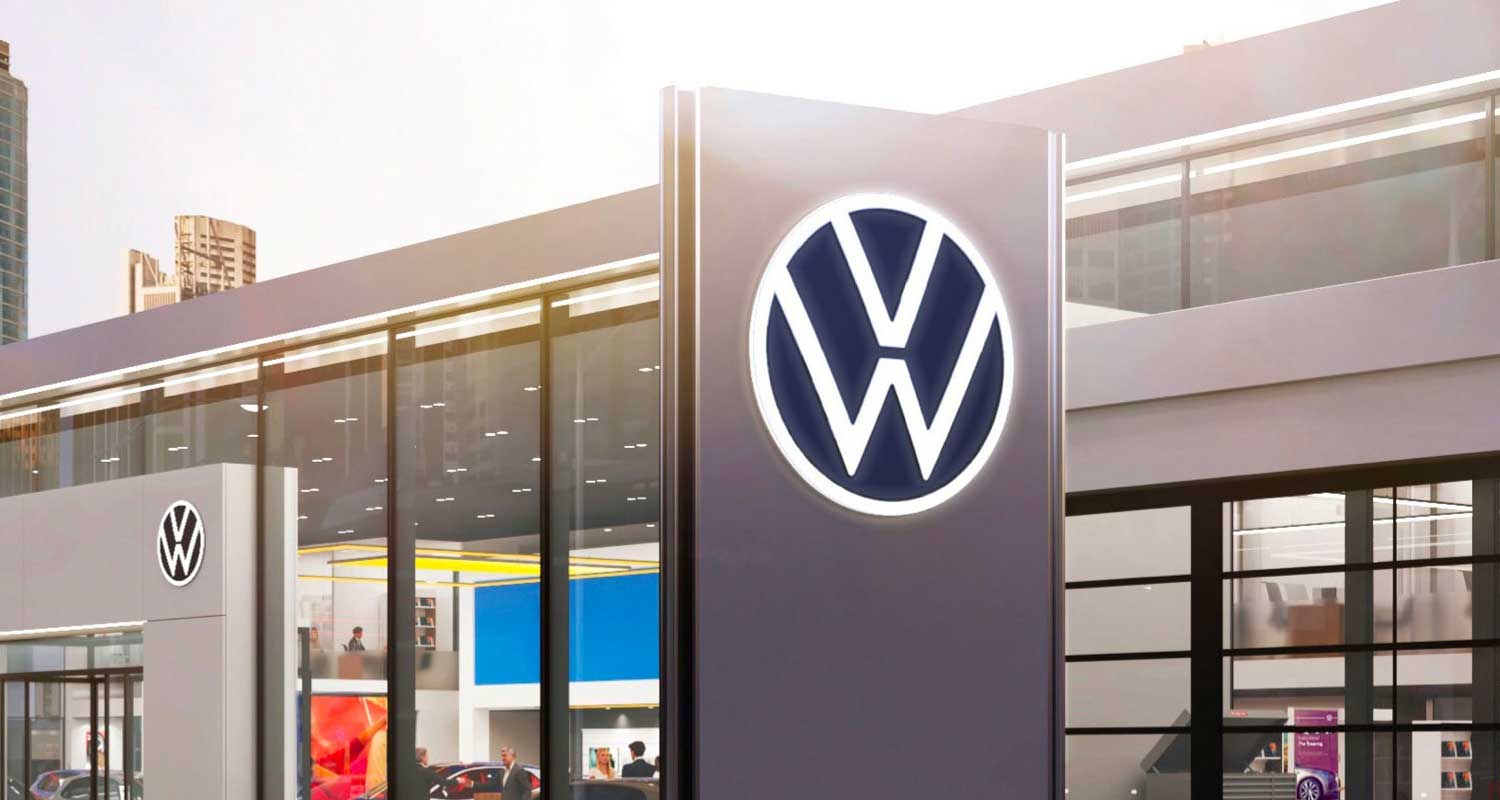
    VW faces intense pressure from Chinese rivals
    VW faces intense pressure from Chinese rivals

    There also wasn’t enough attention paid to the fact that the switch to EVs was about more than swapping out one powertrain for another, and early software was buggy. For instance, VW only managed to turn on over-the-air updates years after launching its first Chinese electric model in 2020.

    That meant owners had to send their cars to dealers for in-store upgrades — which could at times take days. To overcome resistance, some dealers offered cash incentives to encourage customers to fix faults.

    Read: Cyberattackers have a new target: your car

    Zhou, an IT engineer living in Wuhan, had to endure the frustration after buying an ID.4 in early 2022. With screens going black several times in the middle of driving, he got glitches instead of German quality. Updates were also regularly behind schedule or available only via the dealer.

    He’s now seeking a replacement. It will be another EV, but this time “I won’t visit any German dealerships”, he said. “I’ll only go for local brands, or Tesla.”  — Chunying Zhang and William Wilkes, with Stefan Nicola and Monica Raymunt, (c) 2024 Bloomberg LP

    Get breaking news from TechCentral on WhatsApp. Sign up here.

    Don’t miss:

    We drove five electric cars across South Africa – a photo essay


    BMW BYD Mercedes-Benz Nio Tesla Volkswagen VW
    Subscribe to TechCentral Subscribe to TechCentral
    Share. Facebook Twitter LinkedIn WhatsApp Telegram Email Copy Link
    Previous ArticlePargo considers foray into rest of Africa
    Next Article A new generation of telescopes could transform our knowledge of the universe

    Related Posts

    BYD takes direct aim at Toyota with launch of sub-R500 000 Sealion 5 PHEV

    BYD takes direct aim at Toyota with launch of sub-R500 000 Sealion 5 PHEV

    4 December 2025
    China's BAIC to start assembling SUVs in South Africa next year

    China’s BAIC to start assembling SUVs in South Africa next year

    12 November 2025
    Mercedes-Benz South Africa CEO-designate resigns

    Mercedes-Benz South Africa CEO-designate resigns

    11 November 2025
    Company News
    AI is not a technology problem - iqbusiness

    AI is not a technology problem – iqbusiness

    5 December 2025
    Telcos are sitting on a data gold mine - but few know what do with it - Phillip du Plessis

    Telcos are sitting on a data gold mine – but few know what do with it

    4 December 2025
    Unlock smarter computing with your surface Copilot+ PC

    Unlock smarter computing with your Surface Copilot+ PC

    4 December 2025
    Opinion
    Your data, your hardware: the DIY AI revolution is coming - Duncan McLeod

    Your data, your hardware: the DIY AI revolution is coming

    20 November 2025
    Zero Carbon Charge founder Joubert Roux

    The energy revolution South Africa can’t afford to miss

    20 November 2025
    It's time for a new approach to government IT spend in South Africa - Richard Firth

    It’s time for a new approach to government IT spend in South Africa

    19 November 2025

    Subscribe to Updates

    Get the best South African technology news and analysis delivered to your e-mail inbox every morning.

    Latest Posts
    Big Microsoft 365 price increases coming next year

    Big Microsoft price increases coming next year

    5 December 2025
    AI is not a technology problem - iqbusiness

    AI is not a technology problem – iqbusiness

    5 December 2025
    Vodacom to take control of Safaricom in R36-billion deal - Shameel Joosub

    Vodacom to take control of Safaricom in R36-billion deal

    4 December 2025
    Black Friday goes digital in South Africa as online spending surges to record high

    Black Friday goes digital in South Africa as online spending surges to record high

    4 December 2025
    © 2009 - 2025 NewsCentral Media
    • Cookie policy (ZA)
    • TechCentral – privacy and Popia

    Type above and press Enter to search. Press Esc to cancel.

    Manage consent

    TechCentral uses cookies to enhance its offerings. Consenting to these technologies allows us to serve you better. Not consenting or withdrawing consent may adversely affect certain features and functions of the website.

    Functional Always active
    The technical storage or access is strictly necessary for the legitimate purpose of enabling the use of a specific service explicitly requested by the subscriber or user, or for the sole purpose of carrying out the transmission of a communication over an electronic communications network.
    Preferences
    The technical storage or access is necessary for the legitimate purpose of storing preferences that are not requested by the subscriber or user.
    Statistics
    The technical storage or access that is used exclusively for statistical purposes. The technical storage or access that is used exclusively for anonymous statistical purposes. Without a subpoena, voluntary compliance on the part of your Internet Service Provider, or additional records from a third party, information stored or retrieved for this purpose alone cannot usually be used to identify you.
    Marketing
    The technical storage or access is required to create user profiles to send advertising, or to track the user on a website or across several websites for similar marketing purposes.
    • Manage options
    • Manage services
    • Manage {vendor_count} vendors
    • Read more about these purposes
    View preferences
    • {title}
    • {title}
    • {title}