


The Chinese Communist Party’s vision of a Web where governments pull the strings could wind up the model for the next billion users.
The Chinese Communist Party’s vision of a Web where governments pull the strings could wind up the model for the next billion users.
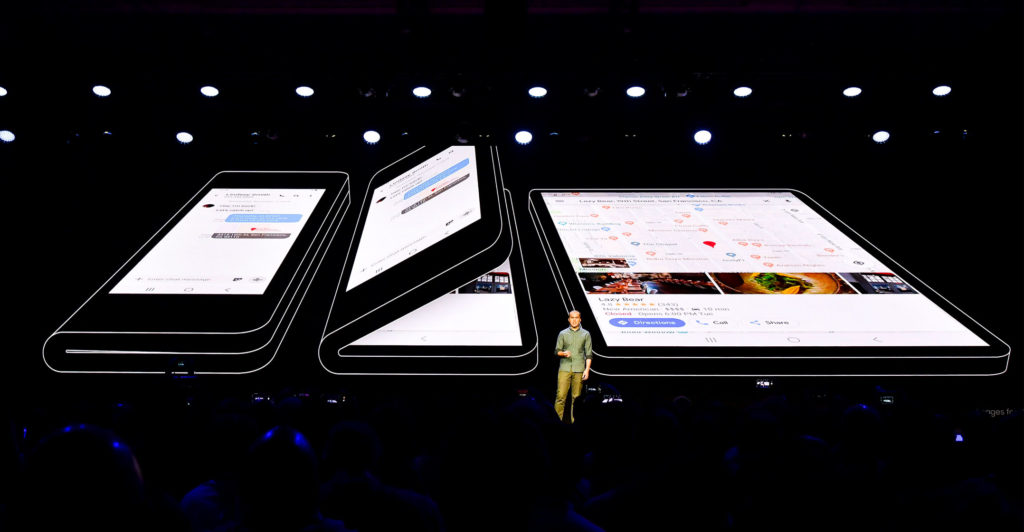
Samsung Electronics has showed off a new phone with a foldable screen in a bid to shake up a smartphone business awash with black, shiny rectangles that look increasingly similar.

Ever since Chinese President Xi Jinping marked the opening of the first World Internet Conference in 2014, it was meant to usher in a new era of digital openness and project China as a champion of global cyber governance. Those promises are now starting to lie fallow.

With due respect to Tim Berners-Lee’s attempts to recreate the bright-eyed enthusiasm of the Internet’s early years, the Web is long past attempts at self-regulation and voluntary ethics codes.

The growth engines of Amazon.com and Alphabet, the world’s largest Internet companies, sputtered last quarter, and after weeks of stock market jitters, investors were in no mood to give them a pass.
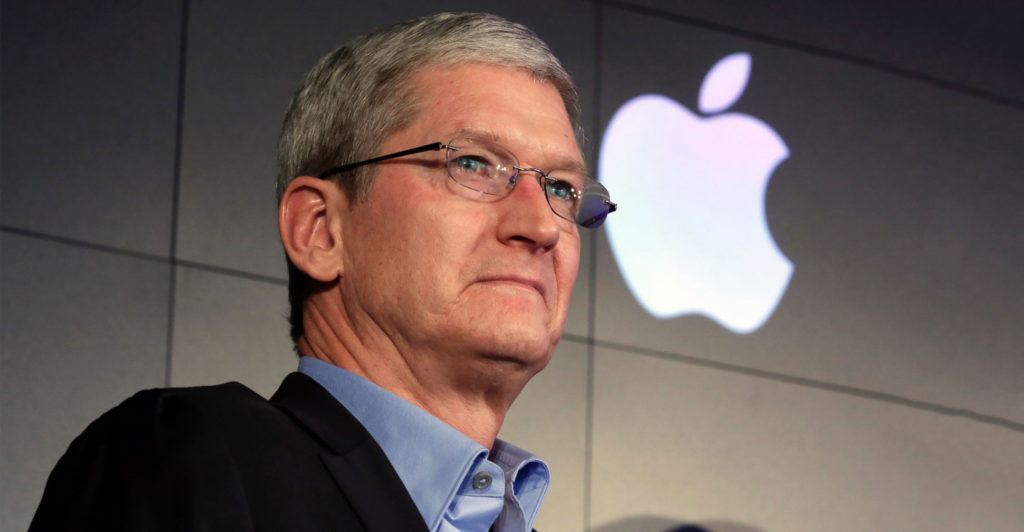
Apple CEO Tim Cook on Wednesday touted the importance of privacy and legislation to protect it, as the iPhone maker seeks to distance itself from Silicon Valley competitors under scrutiny for recent user data breaches.

In early September, Apple removed several Trend Micro anti-malware tools from the Mac app store after they were found to be collecting unnecessary personal information from users.
You have to hand it to Europe’s regulators. They rarely miss a chance to antagonise an American tech company, no matter what the cost to their own people.
Google will start charging smartphone makers that want to install its app store and services for devices sold in Europe, changes it says it must make to comply with a European Union antitrust order.

Ride-hailing service Taxify – a direct competitor to market leader Uber – said on Thursday that it is now directly integrated with Google’s Maps app in South Africa.